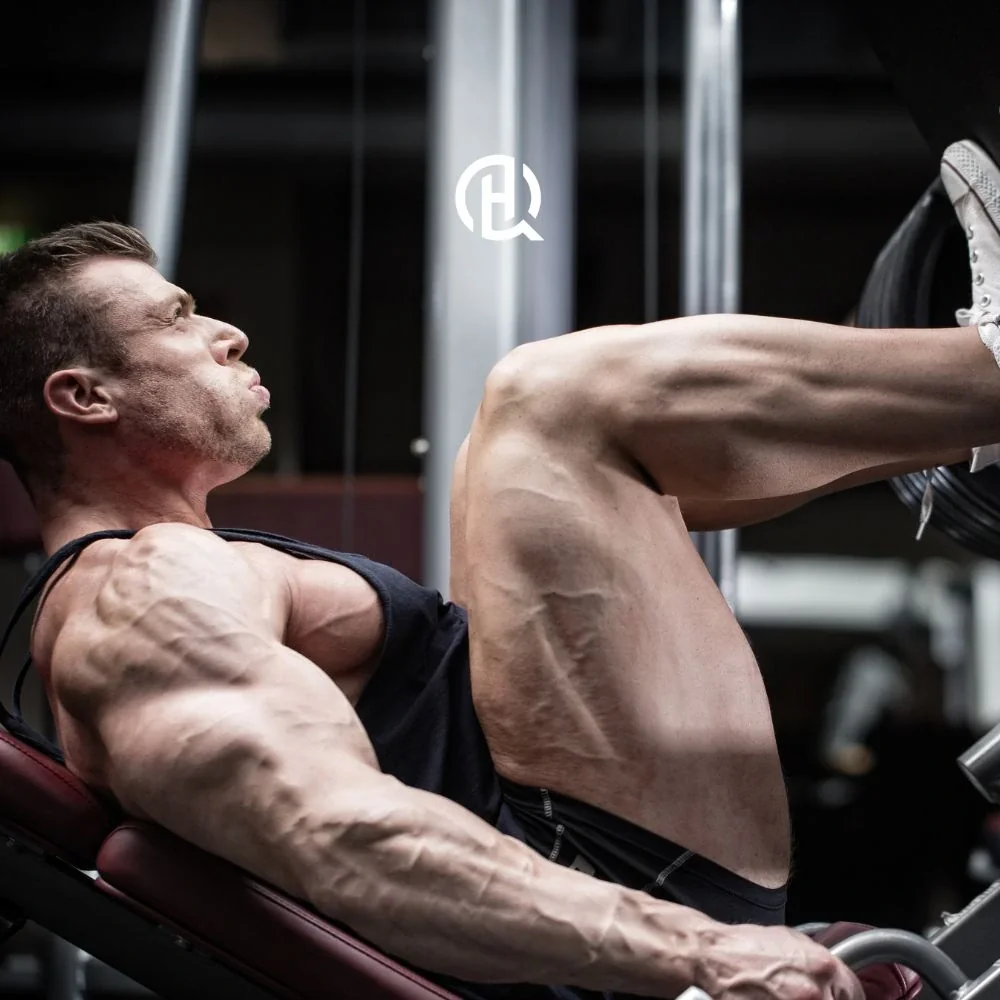

Training your lower body for strength, mobility, and "improved" appearance encapsulates various exercises targeting specific muscles crucial in achieving your physique goals. Among these exercises, leg presses are one of the most important to consider.
For starters, the leg press movement is a machine-based exercise that emphasizes muscle engagement with less spinal stress, as you lay your back flat against the machine's inclined seat. Unlike squats, this isolation exercise allows for back support, which can be ideal for beginners.
In this article, we will help you understand the importance of leg press exercises and how you can add them to your workout program.
Benefits of Incorporating Leg Press Exercises Into Your Leg Day Workout Routine
As mentioned, the leg press is a great exercise that targets specific muscles while still providing back support. If you are looking to strengthen your lower body but are struggling with back issues, the leg press is a great alternative for other exercises such as barbell squats.
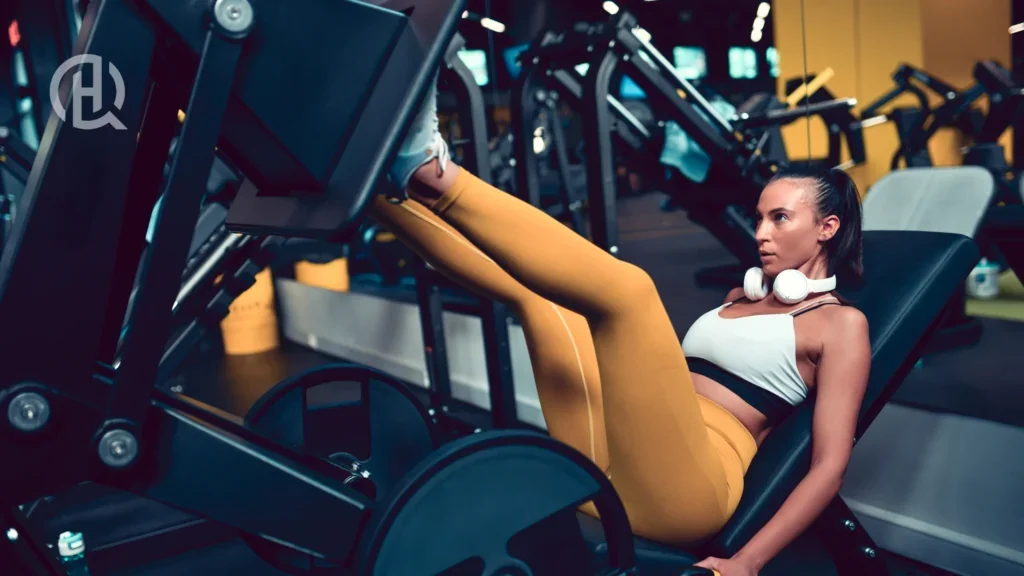
Foot Placement Can Matter – Placing your feet higher on the platform targets the hamstrings a bit more, while a lower placement emphasizes more quads. Whatever feels the best is the most important though.
This exercise is an isolation movement that focuses on training your quads, glutes, and hamstrings. You can also target a specific muscle group simply by changing your foot placement on the machine's platform, which we'll be discussing shortly.
Why should you consider incorporating leg presses into your leg day program?
Overall, the leg press exercise promotes lower body strength, and increased athletic performance, improving your ability to do extensive leg-dominant physical activities such as running, sprinting, squatting, and jumping.
Understanding the Leg Press Machine
The leg press exercise, just like other exercises that involve weights, can incorporate heavier loads. To perform this movement, your back should rest on a padded seat. You should place your feet on the machine's platform, bend your knees, and push the weighted platform back to your starting position, where your legs are stretched without locking your knees (Keep tension). Depending on what isolation exercises you want to incorporate into your routine, there are various types of leg press machines you can choose from:
Know the different types of leg press machines.
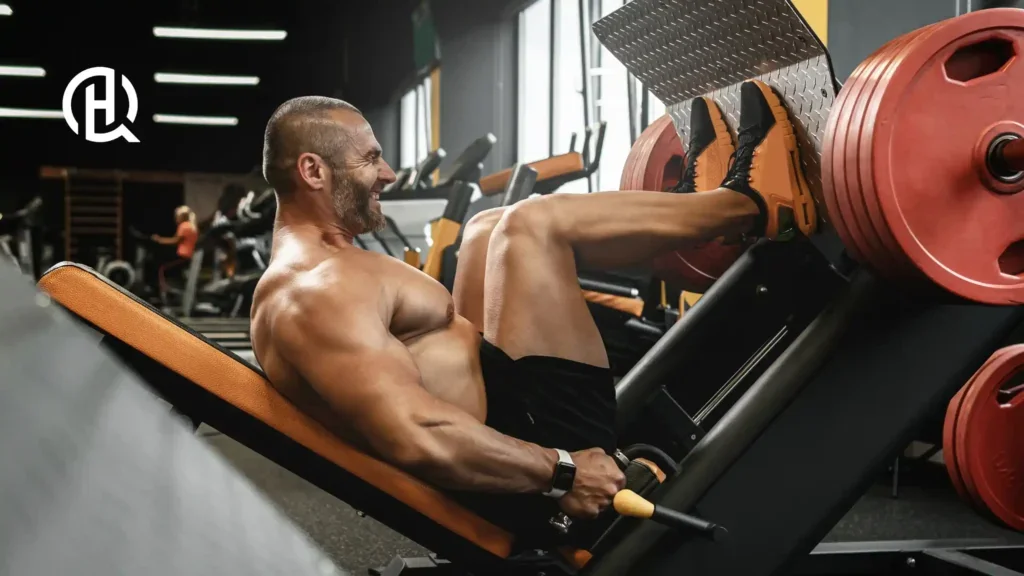
Controlled Movement – Try to lower the platform slowly, get into a deep stretched position, and push back up in a controlled manner to maximize muscle engagement.
- • 45-degree leg press or sled leg press: The most common type of machine, where the platform moves diagonally, allowing you to lift heavier weights;
- • Seated horizontal leg press
- • Vertical leg press: This is not a typical machine you will find in gyms, but it is highly effective for strength training, as its weights are pressed directly upwards while lying on the floor.
Leg Press Foot Placement Variations
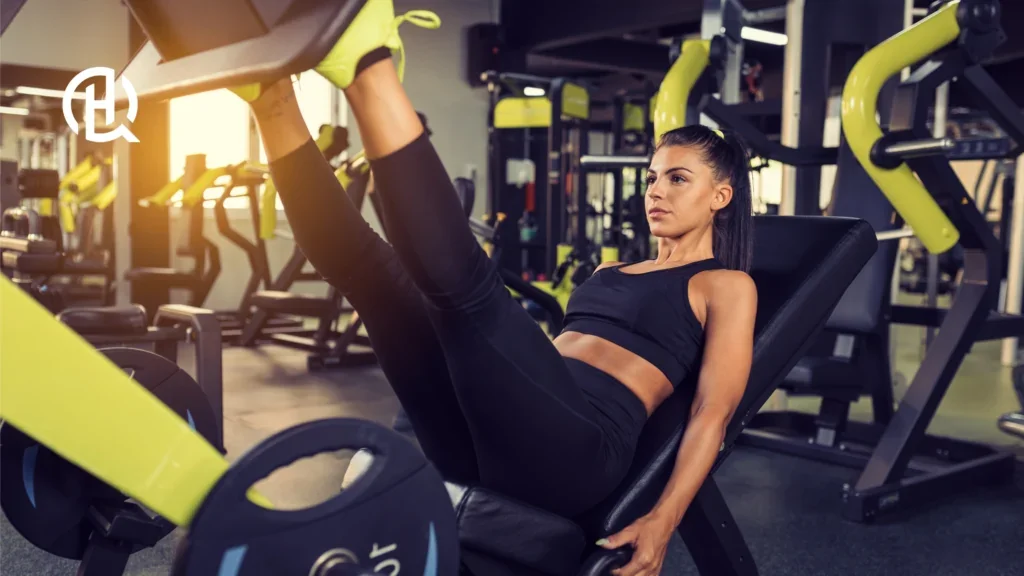
Foot placement does affect how an exercise feels, but it's not the most critical factor. Yes, different stances can help shift emphasis slightly and alleviate discomfort in certain areas, but what truly matters is how much weight you can move efficiently and safely.
An Optimal Leg Day Workout Routine with Leg Press Exercises
You can incorporate your leg press exercise with other complementary exercises to complete your leg day program, such as lunges, split squats, RDLs, and calf raises.
Meanwhile, don't forget to consider other aspects of a workout that don't necessarily occur inside the gym, such as protein (which can be quite cheap) and maintaining a healthy diet.
FAQs
1. How often should I do leg press exercises?
You can incorporate the leg press into your workout 1-2 times per week, depending on your fitness goals and overall leg training frequency.
2. Can the leg press replace squats?
While the leg press is a great alternative, it does not engage stabilizing muscles as effectively as squats. Combining both exercises provides a well-rounded lower-body workout.
3. What is the ideal foot placement for targeting my glutes?
A higher foot placement on the platform will emphasize glute and hamstring activation while reducing knee stress.
4. Can leg press exercises help with knee pain?
When performed with proper form and controlled movement, the leg press can strengthen the quadriceps and surrounding knee-supporting muscles, which may help alleviate knee pain over time.
5. How much weight should I use on the leg press?
Start with a weight that allows proper form and full range of motion, then gradually increase it as you build strength. A good rule is to begin with 50-70% of your body weight if you're new to the exercise.
6. Is the leg press safe for beginners?
Yes! The leg press is beginner-friendly because it provides back support and controlled movement. Just be sure to start with light weights and focus on proper form.
Need Inspiration?
Want to get stronger, leaner, and take your fitness to the next level? Check out our proven workout programs!