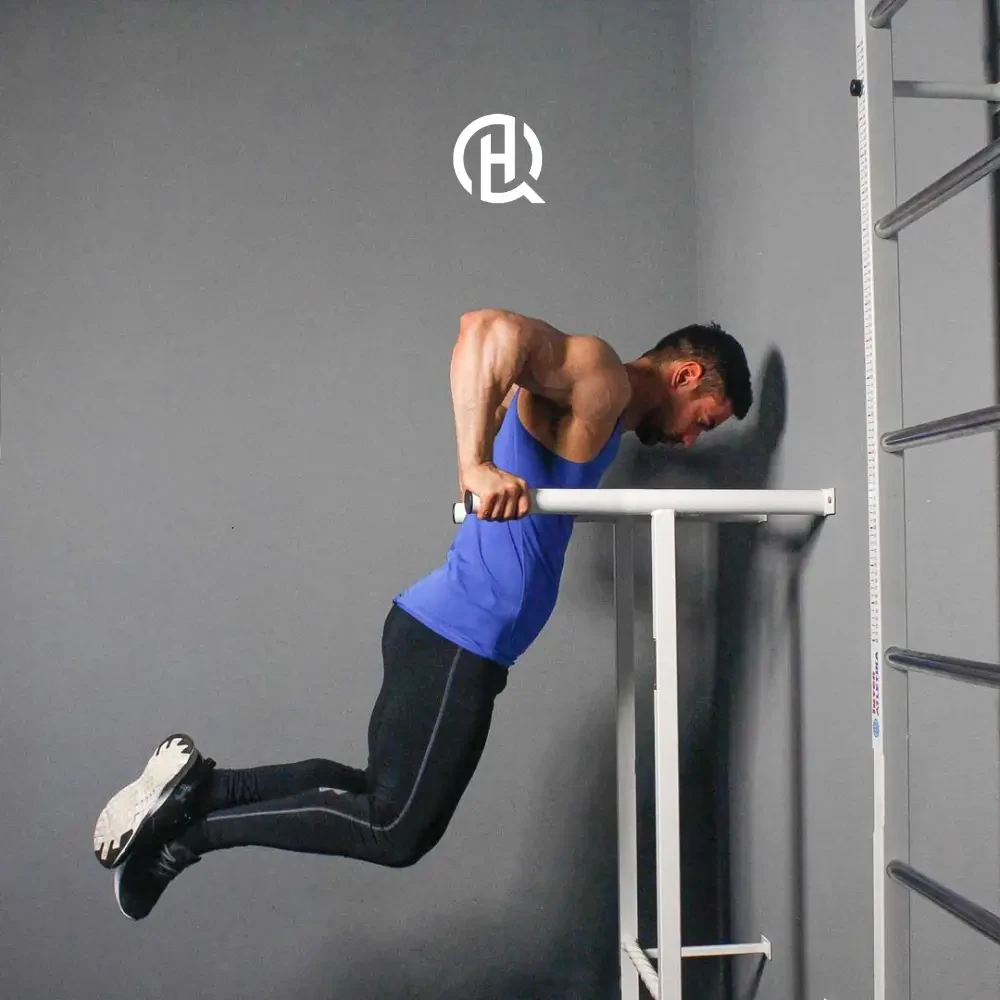

Looking to build a bigger chest or carve out serious triceps definition? The parallel bar dips is one of the most effective bodyweight exercises for upper-body strength and development and it deserves a permanent spot in your training arsenal. The effectiveness of this exercise lies in the angle of your torso: leaning forward places more emphasis on the chest, while staying upright shifts the focus toward the triceps. Even a small change in position can noticeably alter which muscles are most engaged.
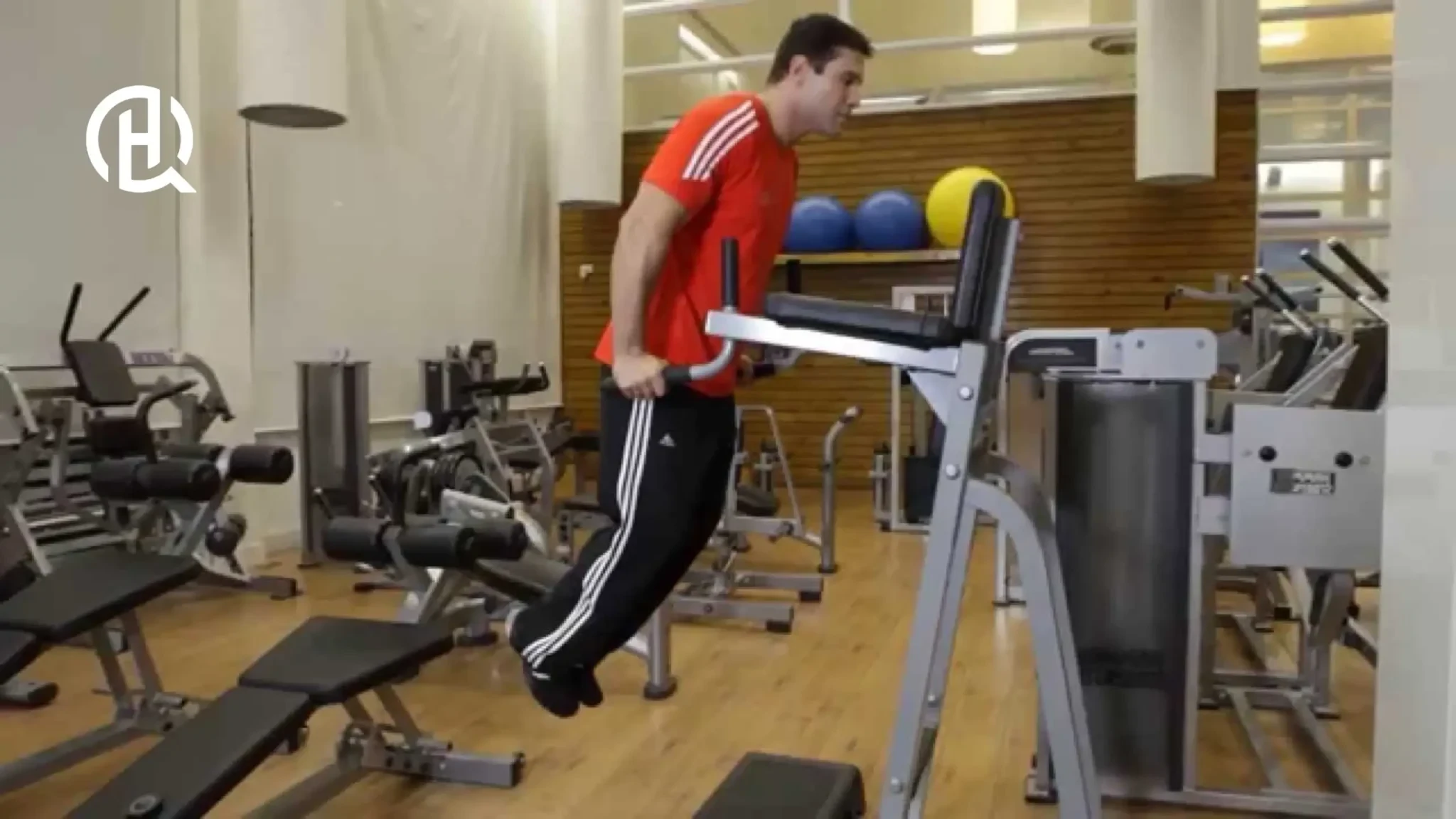
Lean Forward for Chest, Stay Upright for Triceps – Adjust based on your goal.
This compound move not only builds muscle, but it tests your control, stability and range of motion. It trains several muscle groups in unison while allowing you to alter the emphasis based on your goal. Whether you’re after a bigger set of pecs, stronger arms, or just a more athletic-looking physique overall, dips will help you get there.
In this guide, we’ll show you how to perform both the chest-oriented and triceps-oriented versions of the parallel bar dip, describe common mistakes, and provide pro tips to help you maximize every single rep.
How to Perform Parallel Bar Dips
Personal trainer from the HermQ team showing how to do the Parallel Bar Dips.
Parallel Bar Dips: How To
Triceps-Focused Dips
- • Grip the parallel bars with your arms straight and your body held vertically. Keep your torso upright and legs straight or slightly bent behind you.
- • Begin lowering your body by bending at the elbows while keeping them close to your sides. Stay vertical — do not lean forward. This ensures the triceps do most of the work.
- • Lower yourself until your upper arms are roughly parallel to the floor. Avoid dipping too low, as this can place unnecessary stress on your shoulder joints. If you’re experienced and feel comfortable, you can go deeper to achieve a greater stretch — but always prioritize control and joint safety.
- • Drive through your palms to press back to the top position. Straighten your arms almost completely to maximize triceps activation.
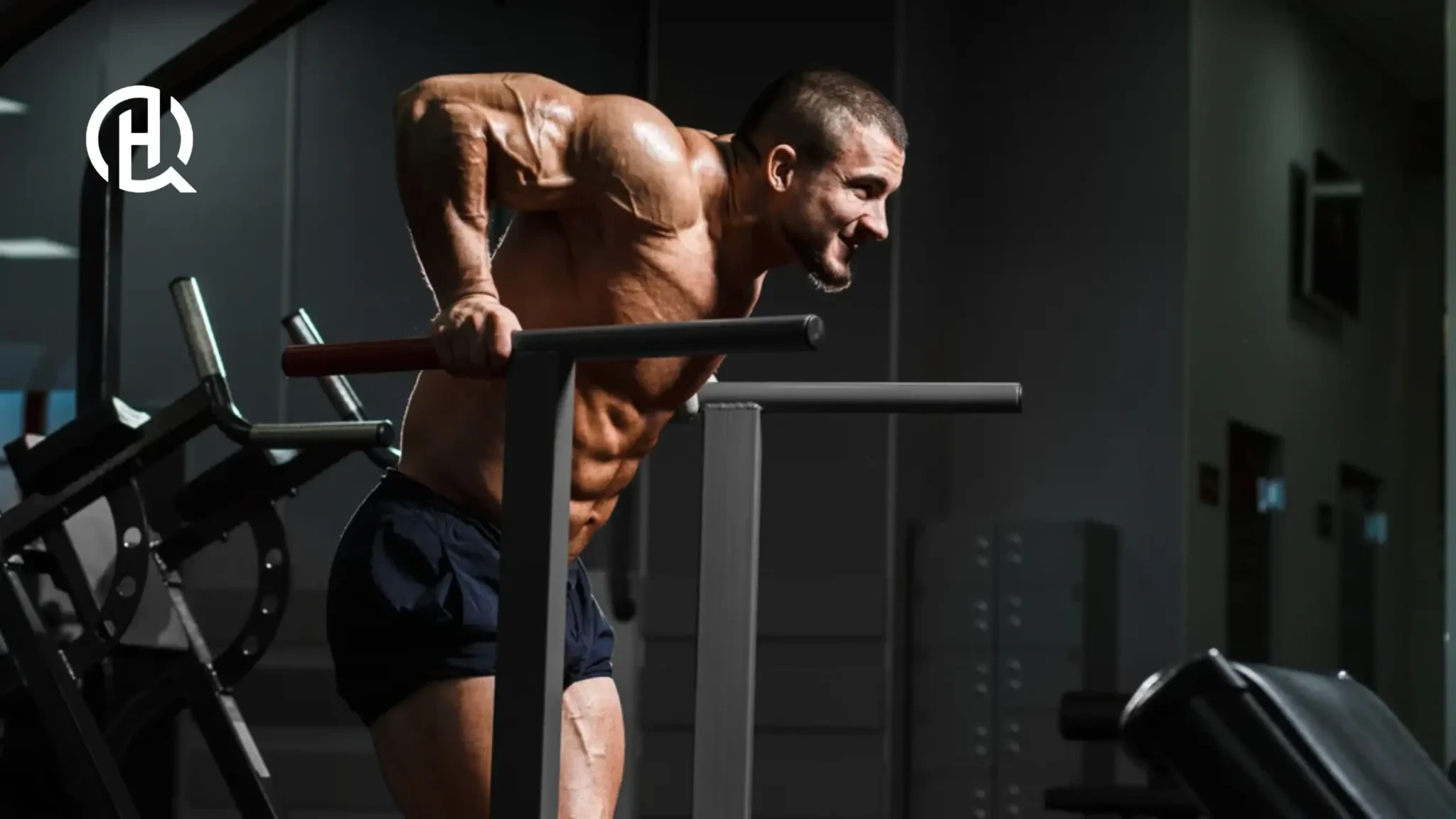
Keep Elbows Close, Not Flared – Protect shoulders and target triceps better.
Chest-Focused Dips
- • As you grip the bars and lift yourself, shift your chest slightly forward, tilt your torso at a 30–45° angle, and tuck your legs backward for balance.
- • Bend your elbows and lower your body while maintaining that forward lean. Your elbows will naturally flare out a bit. Go deeper than the triceps version (as long as your shoulders allow it) to engage the pecs more.
- • Push back up by focusing on contracting the chest, not just your arms. Maintain the forward lean throughout to keep the chest muscles under tension.
- • Inhale as you lower down, exhale as you push up. Controlled breathing helps stabilize your core and keeps the rep steady.
Parallel Bar Dips: Benefits
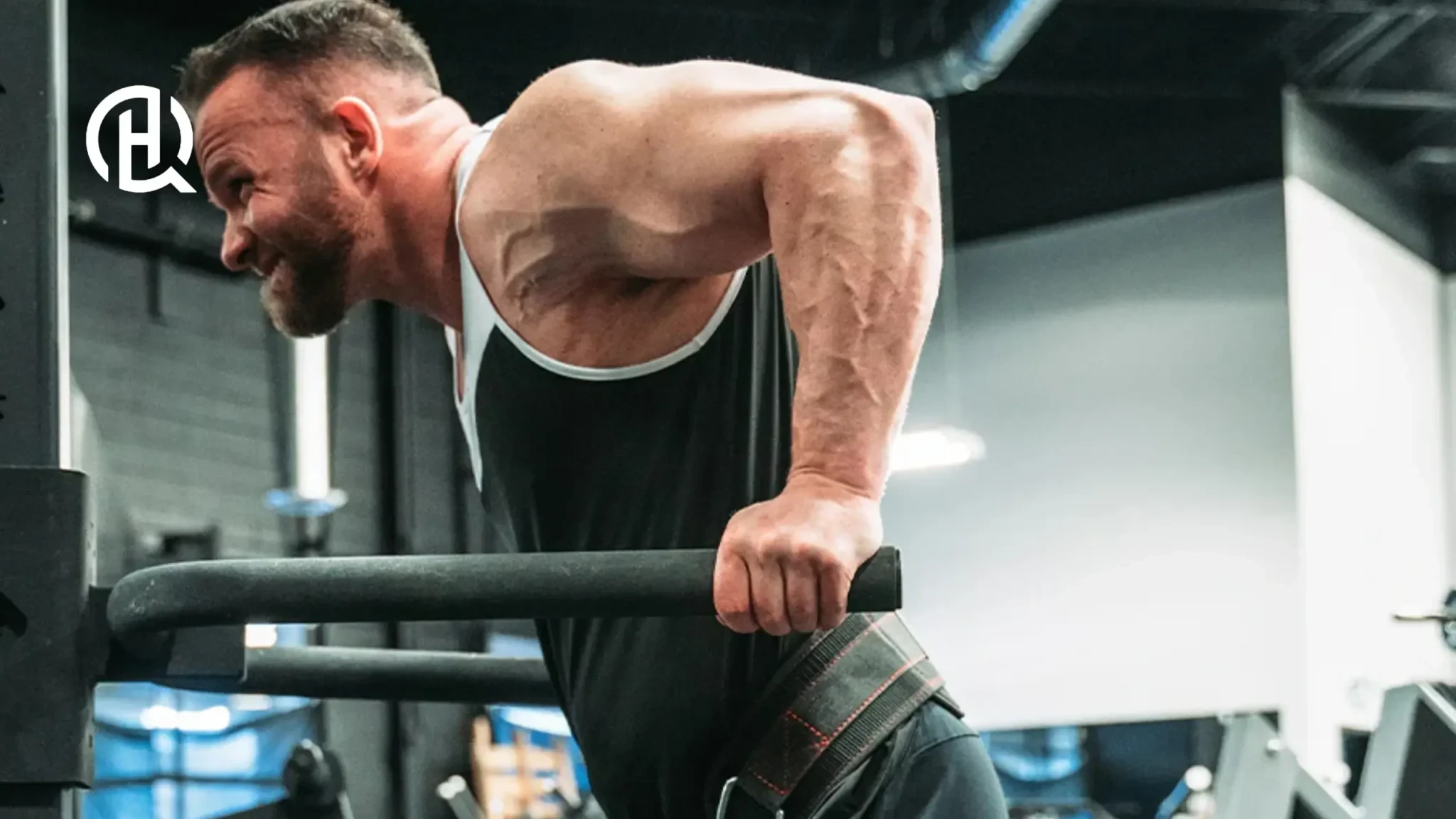
Warm Up Your Shoulders First – Dips can be tough on joints.
Dual Muscle Focus
Dips provide you with two powerful variations in a single movement. Incline forward to hit your chest, especially the lower pecs. Keep vertical to isolate the triceps. This versatility makes dips one of the most well-rounded bodyweight movements you can take on.
Awesome Upper-Body Strengthener
Not only do dips prioritize your chest and triceps (depending on angle), they also hit your front delts and even your core. Because you’re lifting your body weight, they challenge multiple muscle groups at once, translating into better performance in push-ups, bench presses, and overhead work over time.
Serious Muscle Mass Potential
Dips provide mechanical tension, deep stretches, and strong contractions — all of which are vital hypertrophic stimuli. With good form and progressive overload (like a dip belt or weighted vest), they can be a cornerstone mass builder.
Joint-Friendly Range of Motion
When executed with control and at the right depth, dips follow a natural movement path at the shoulder and elbow joints, making them a joint-friendly option that also loads connective tissues effectively.
Minimal Gear, Maximum Return
All you need is a set of parallel bars. No bench, cable machine or dumbbells — just your body weight against gravity. Ideal for home workouts and minimalist setups.
Parallel Bar Dips: Mistakes to Avoid
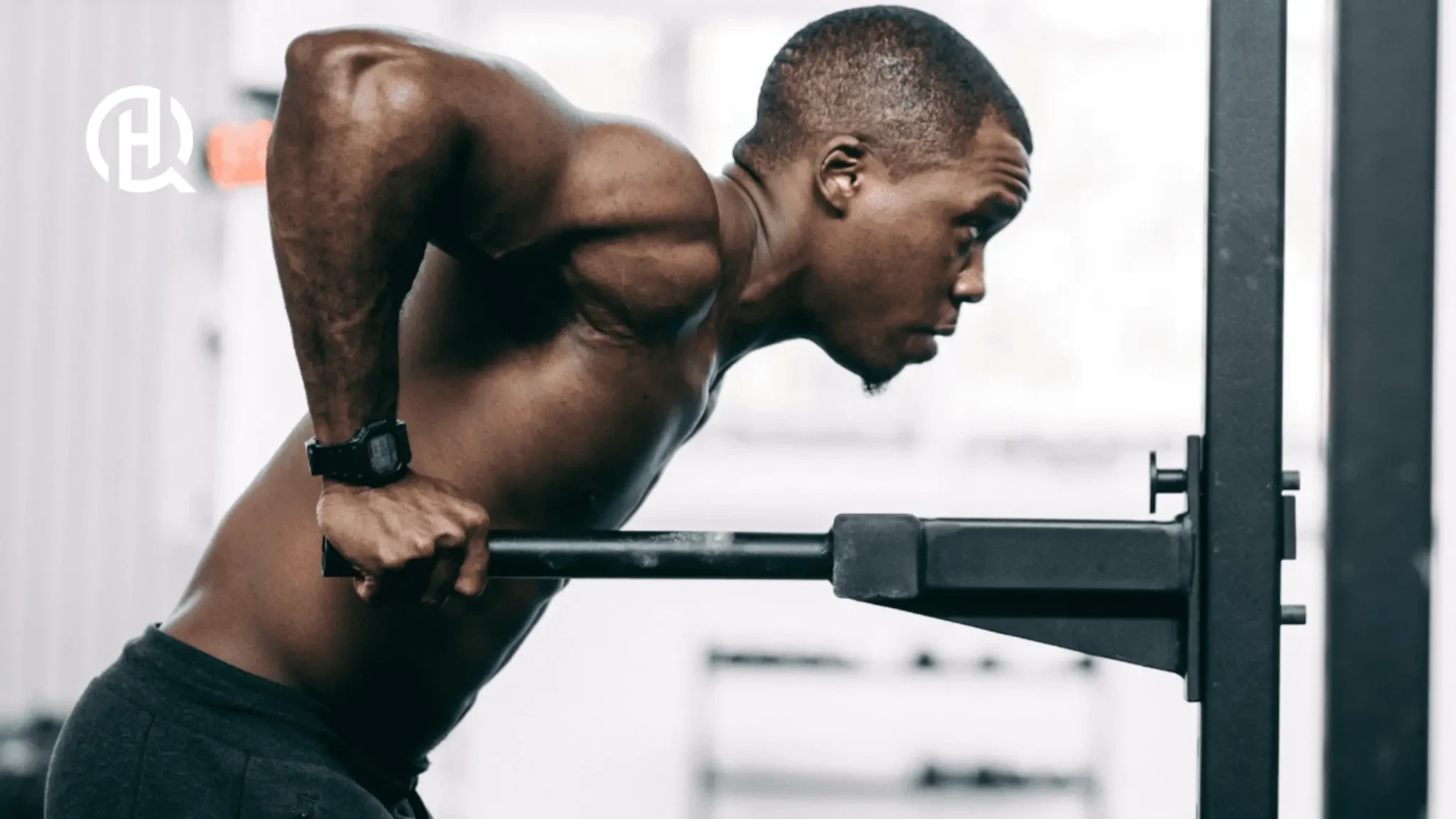
Don’t Let Head Drop – Keep a neutral spine throughout.
❌ Inconsistent Torso Position
Switching angles mid-rep (lean forward, then straighten up) reduces the effectiveness of both variations. Set your angle — forward for chest, vertical for triceps — and hold it for the duration of the set.
❌ Using Momentum
Swinging the legs or jerking the body out of the bottom position relieves tension on the muscles and adds stress to the joints. Use controlled, deliberate movement on every rep.
❌ Neglecting the Warm-Up
Performing dips without properly warming up your shoulders and elbows increases the risk of strain. Start with a few light sets or include pushdowns and push-ups to activate the triceps and prepare the joints for heavier work.
Expert Training Tips
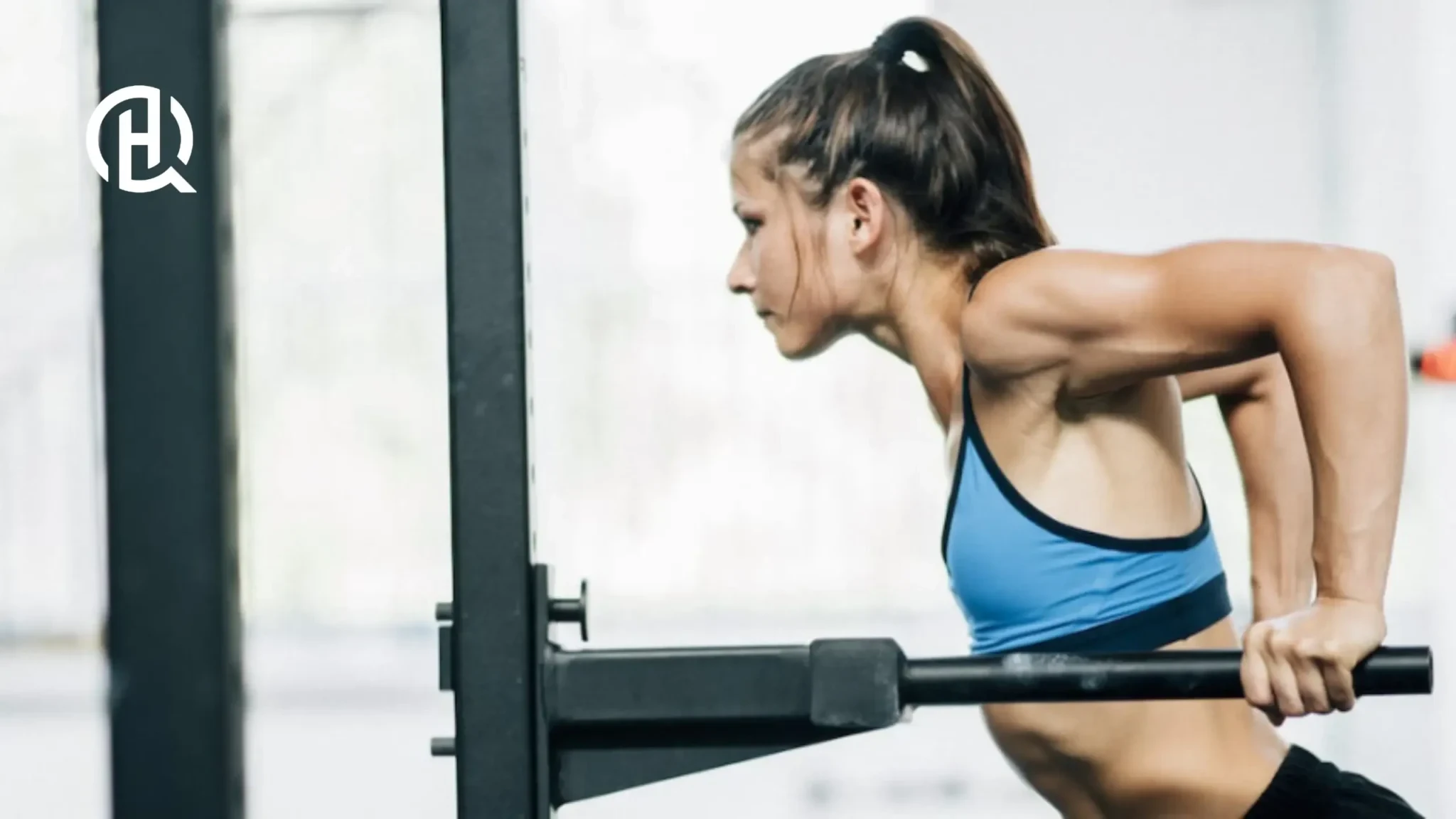
✅ Start with Assisted Dips
If you aren’t strong enough to do full dips yet, build up with resistance bands or an assisted dip machine.
✅ Use Tempo to Your Advantage
Loading the eccentric (lowering) portion boosts time under tension and muscle recruitment. Try a three-second descent and a strong, controlled press-up.
✅ Add Load Gradually
Once you can achieve 10–12 perfect reps, begin adding resistance using a dip belt, weighted vest, or a dumbbell between the feet. Never let ego override form.
Related Exercises
Parallel Dip Bar
Explore more exercises and build your perfect workout routine with our comprehensive exercise library.
See More Exercises→