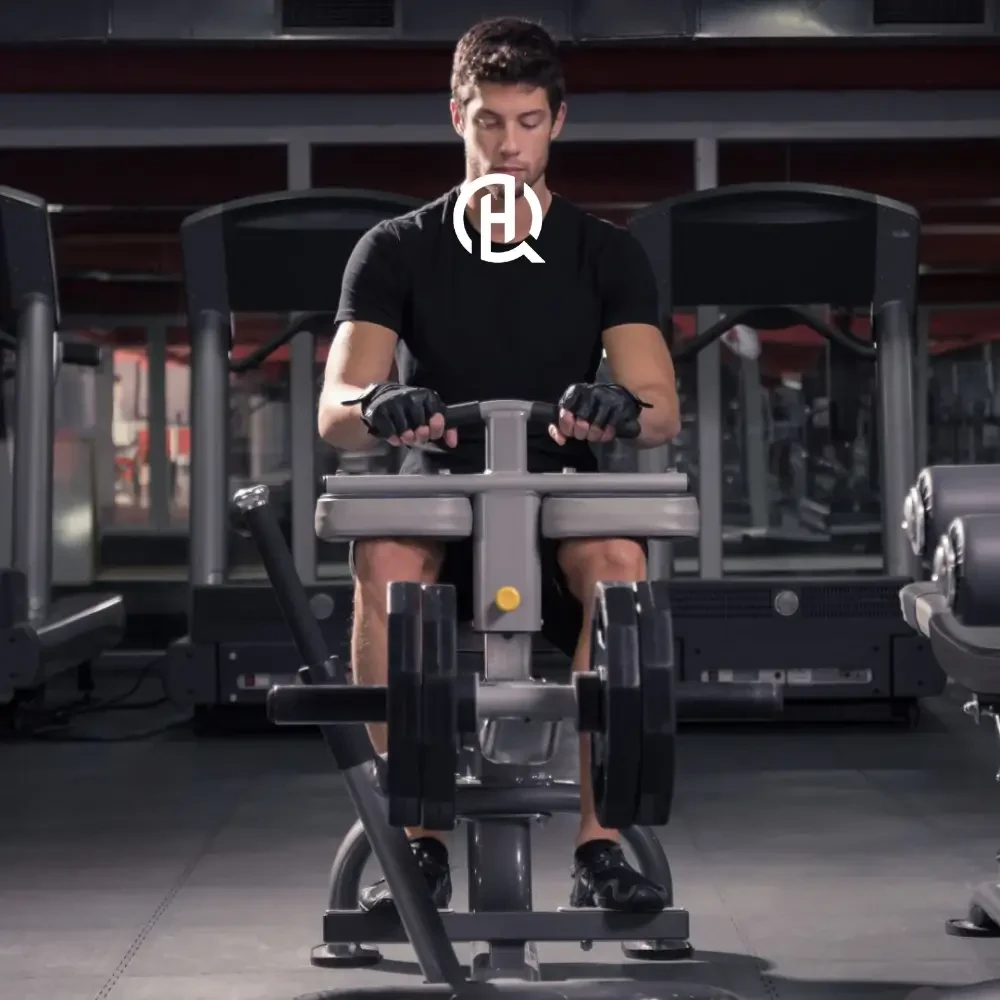

The seated calf raise may not seem as exciting as the big compound lifts, but this machine-based exercise is ideal to develop full, powerful lower legs. Whether you want ankle support, larger calf muscles, or better lower-body power, the seated calf raise works a major muscle that standing versions frequently overlook: the soleus.
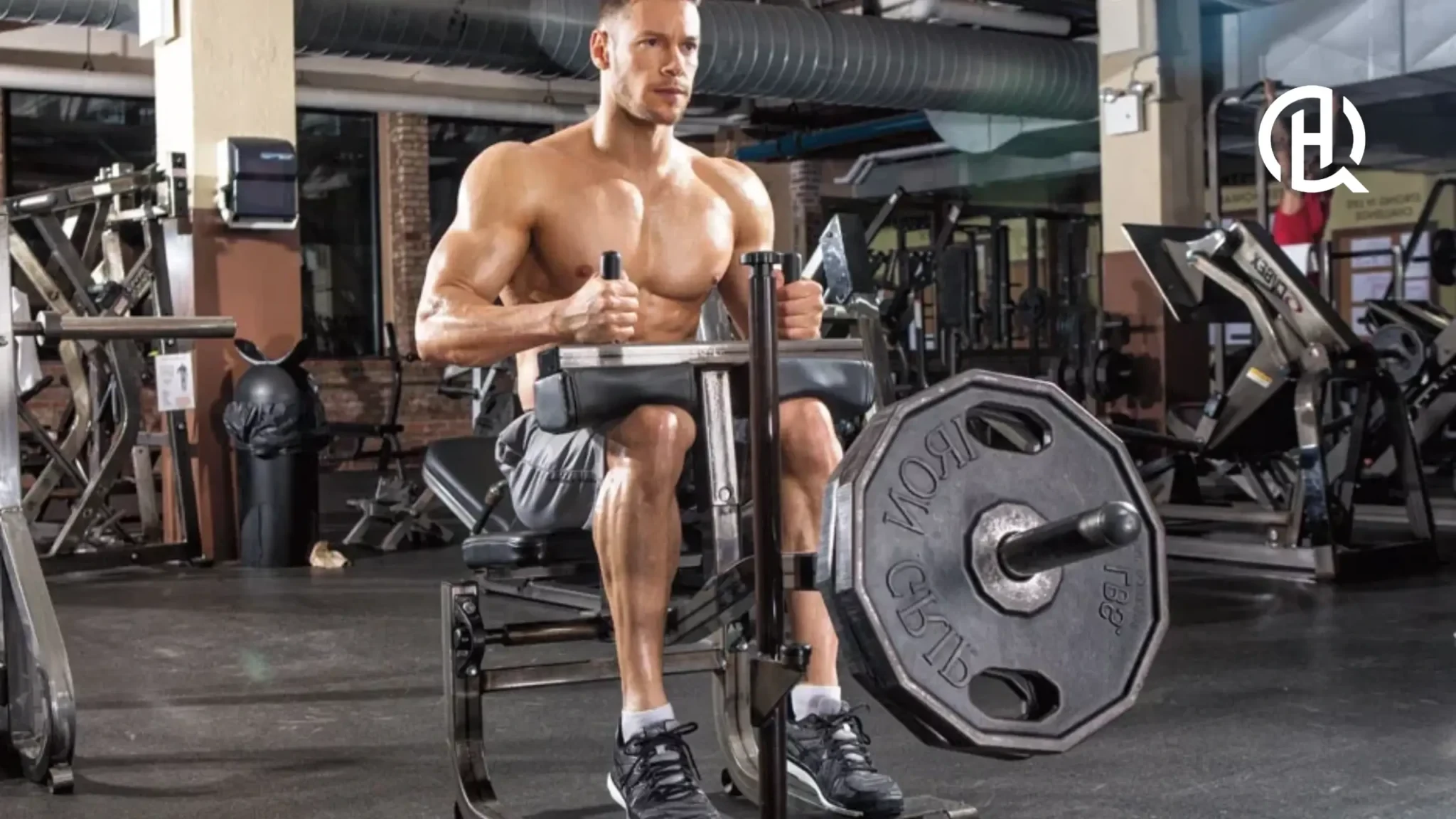
Use Full Range of Motion – Deep stretch at the bottom, full squeeze at the top.
How to Perform the Seated Calf Raise (Video)
Seated Calf Raises
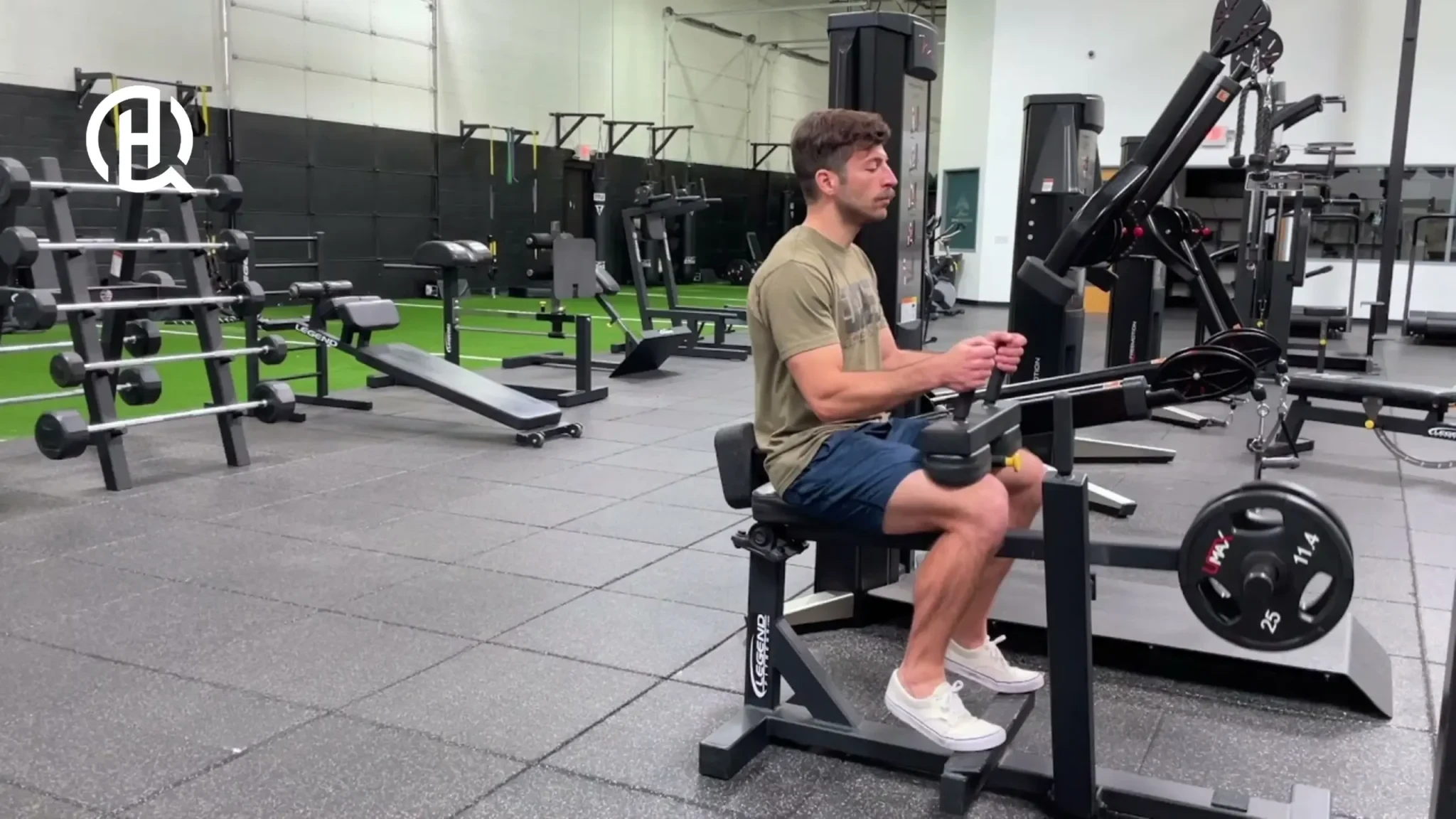
Personal trainer from the HermQ team showing how to do the seated calf raise.
Seated Calf Raise: How To
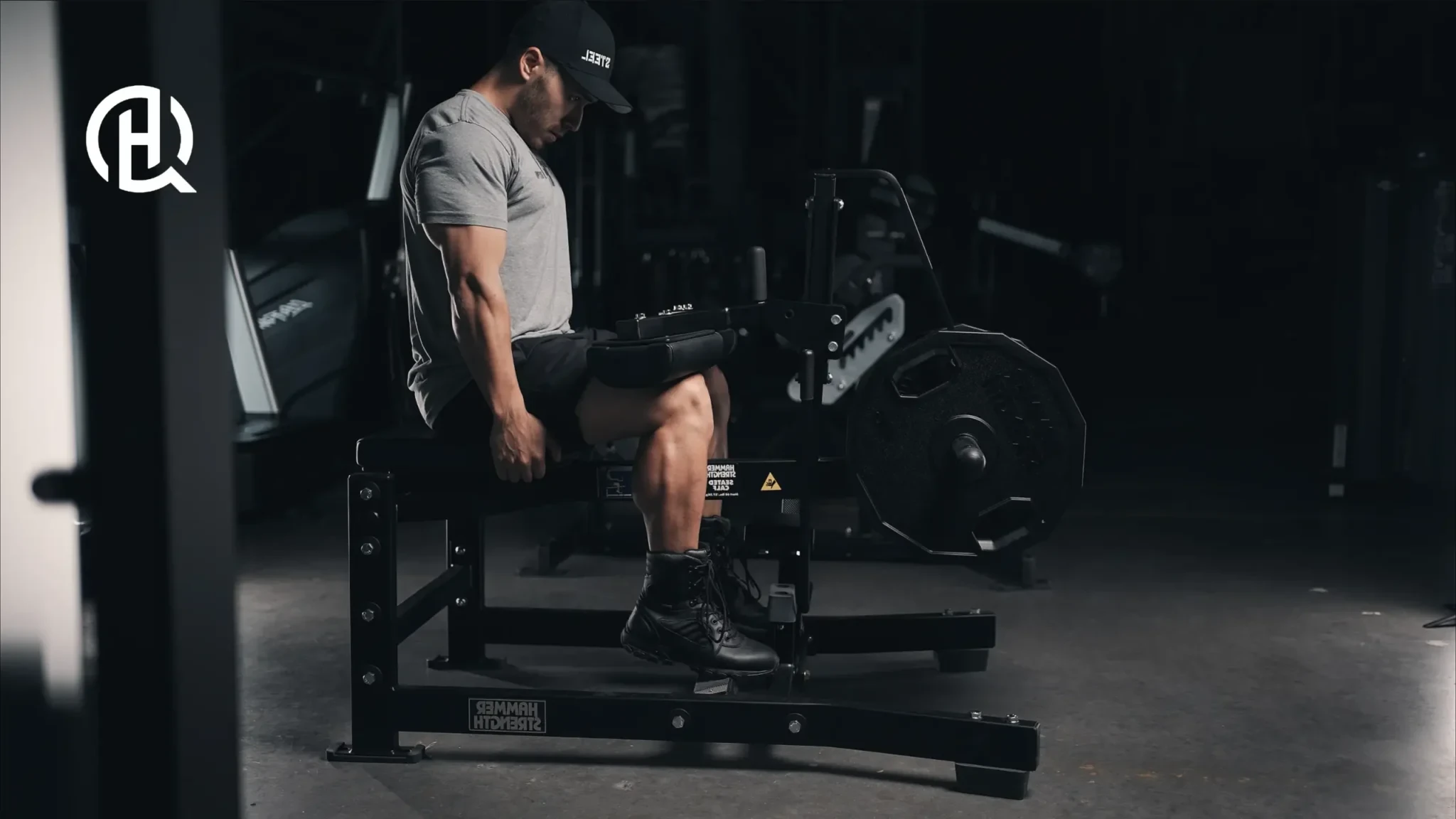
Keep Feet Flat at the Bottom – Let the calves stretch fully.
- • Sit on a seated calf raise machine with the balls of your feet on the platform and heels hanging low. Place the knee pad so it is comfortable and secure just above your knees.
- • Start in the fully stretched position: lower your heels as far as you can.
- • Push through the balls of your feet and lift your heels as high as you can. At the peak, hold and squeeze your calves tight.
- • Reverse the entire process, and lower your heels back down to the starting position in a slow and controlled manner. Feel the deep stretch.
- • Keep your hands on the handles or seat for support, and ensure you keep your knees bent throughout so the soleus works in isolation.
Important Note:
If the movement doesn’t feel natural, adjust your foot position slightly or lighten the load. Proper alignment supports the joints and ensures the right muscles are working.
Seated Calf Raise: Benefits
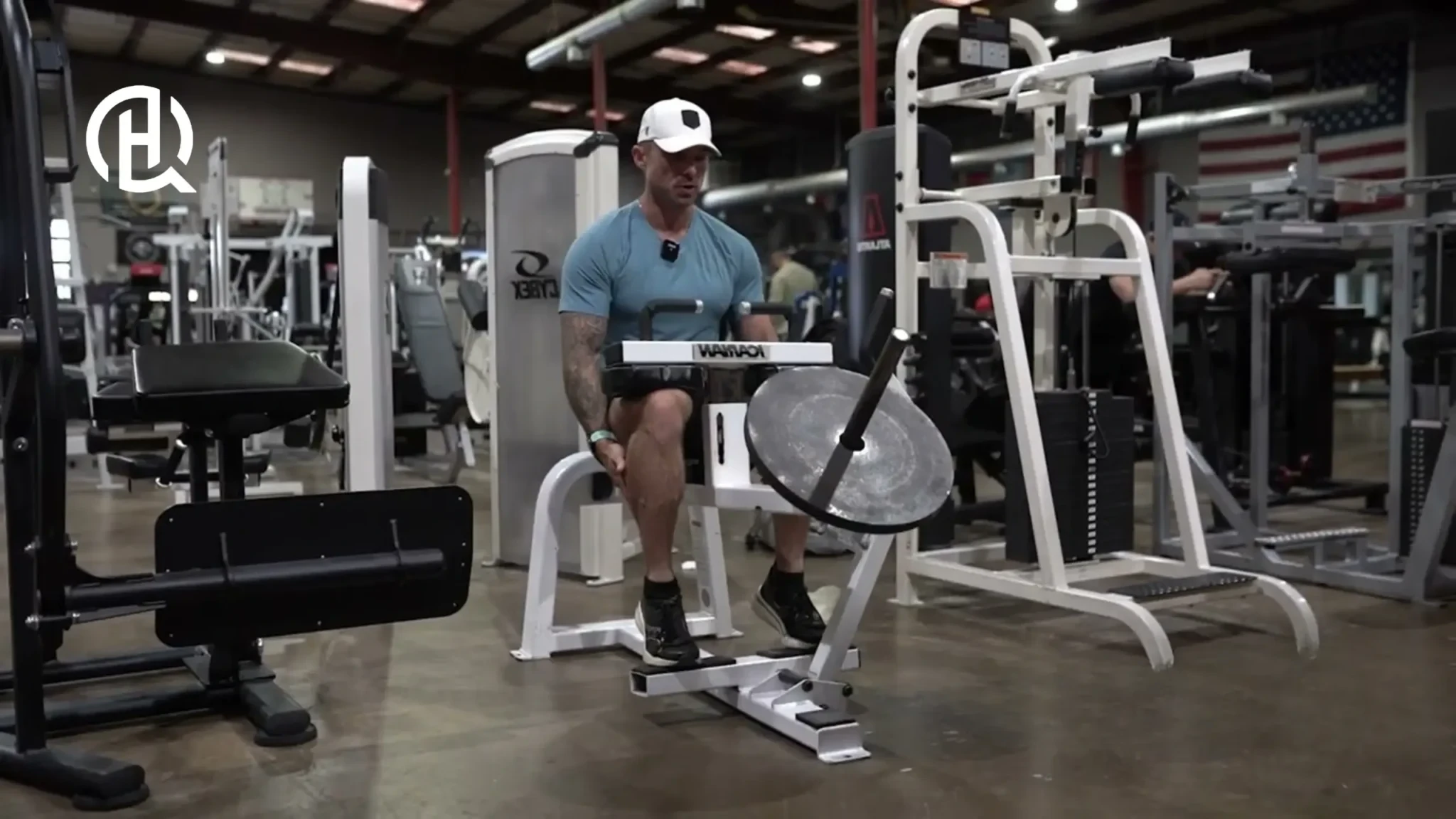
Stretch Between Sets – Helps prevent tightness and boosts range.
Isolation of the Soleus
With knees bent, the gastrocnemius contributes less, allowing the soleus to take the lead. This ensures you are training the entire lower leg, not only the most visible portion.
Improved Ankle Stability and Balance
A stronger soleus supports ankle stability for running, walking, and sport, helping reduce injury risk and improving daily movement quality.
Enhanced Endurance and Performance
The soleus is rich in slow-twitch fibers and responds well to endurance-style work, improving stamina for activities that challenge the lower legs.
Increased Lower-Leg Fullness
Targeting the soleus helps fill out the lower calves, adding overall thickness that complements standing variations which emphasize the gastrocnemius.
Improved Joint Mobility
Regular contractions assist venous return and circulation, helping reduce swelling and supporting better ankle and joint movement.
Seated Calf Raise: Mistakes to Avoid
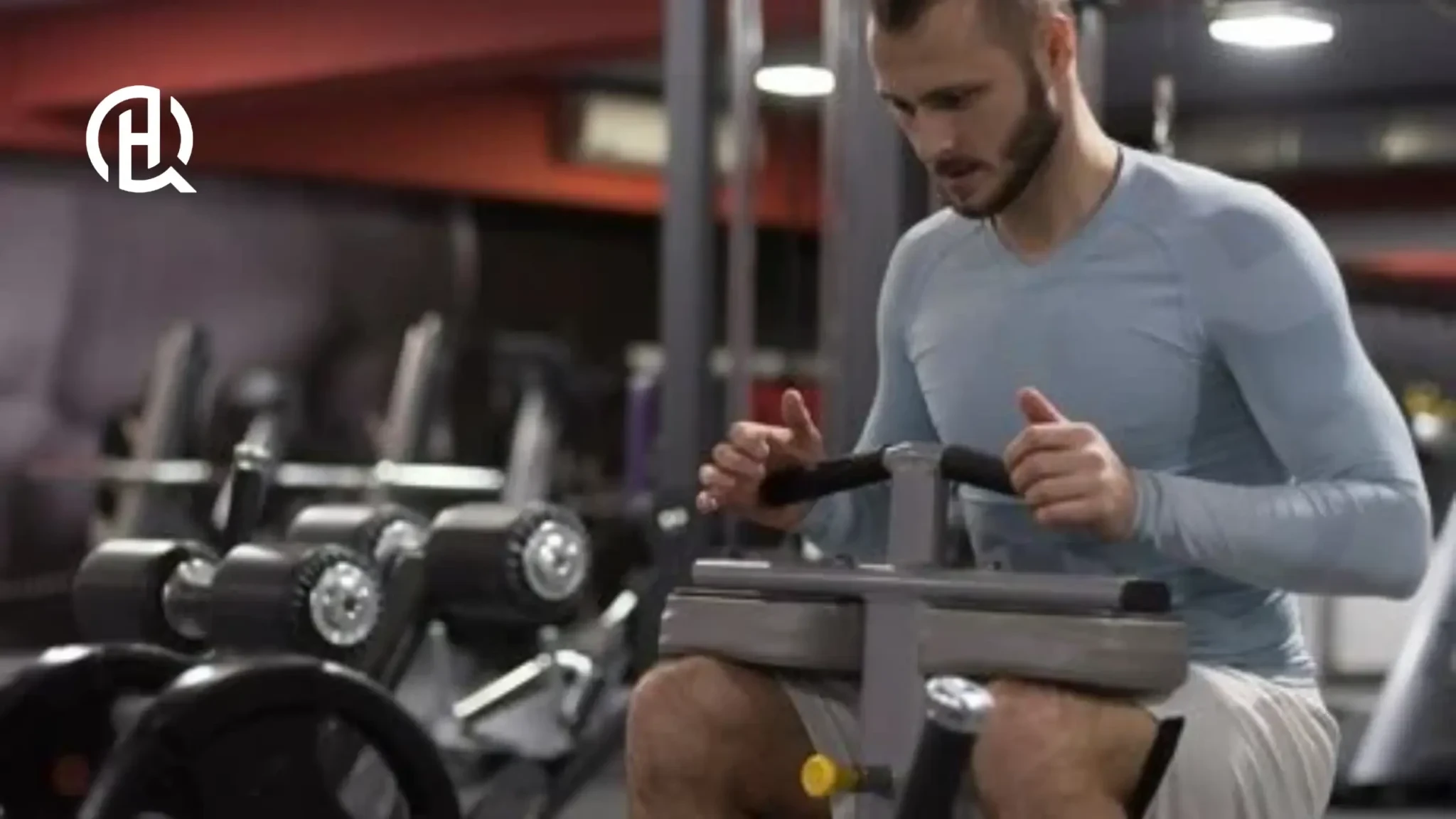
Go Heavy With Good Form – Challenge the muscle without cheating.
❌ Using Too Much Weight Too Soon
Jumping to heavy weights before you have locked in the technique shortens range of motion and raises injury risk. Start lighter, control each rep, and feel the muscle work.
❌ Shortening the Range of Motion
Do not skip the stretch at the bottom or the full squeeze at the top. Full ROM maximizes fiber recruitment and growth.
❌ Bouncing or Rushing Reps
Momentum reduces muscular work. Control the lowering for 2–3 seconds and pause briefly at the bottom and top for better results.
❌ Improper Foot Placement
Keep the balls of your feet, not the toes, on the platform. Centered placement helps you push effectively and avoid slipping.
❌ Neglecting Progressive Overload
Repeating the same weight and reps will stall progress. Gradually increase load or volume over time.
Expert Training Tips
✅ Focus on Eccentric Control
The eccentriclowering phase is the money maker for growth and durability. Lower for a slow 2–3 count to maximize tension and stimulus.
✅ Hit the Soleus With Volume and Frequency
Train 2–3 sessions weekly and go heavy for 6–10 reps per set. It also works well as a finisher after leg day or cardio.
✅ Max Squeeze Top Hold
At the top of each rep, pause for 1 second and contract the calves hard to reinforce mind–muscle connection.
Related Exercises
Seated Calf Raise
Explore more exercises and build your perfect workout routine with our comprehensive exercise library.
See More Exercises→