Exercise selection
Best Exercises for Each Muscle Group
One top pick per muscle for building size and strength, and where to find the rest
You don't need fifty exercises. Pick one proven movement per muscle, train it hard and add load over time. Here is my pick for each muscle, and the full lists if you want more options.

The best exercise for each muscle group, for building muscle: incline dumbbell press for chest, weighted pull-ups for lats, cable lateral raises for shoulders, EZ-bar preacher curls for biceps, overhead triceps extensions for triceps, high-bar squats for quads, Romanian deadlifts for hamstrings, hip thrusts for glutes, calf raises for calves and cable crunches for abs.
Key takeaways
- One well-chosen exercise per muscle, trained hard and progressed, beats a long list done half-hearted.
- The picks score high on four things: how hard they work the target muscle, how easy they are to load, range of motion, and stability.
- Do compound lifts (squats, presses, pulls) first in a session, isolation work after.
- These are picks for building muscle. Each full list below also has easier, home and beginner options.
- Rotate in a second exercise per muscle from the full lists when progress stalls.
- If you fight, put legs, hips, back and core first: squats, Romanian deadlifts, pull-ups and rows carry over most.
At a glance
Top picks at a glance
These are my picks for building muscle. Click through to any muscle for the full ranked list, including beginner and home options.
| Muscle | Top pick | Type | Full list |
|---|---|---|---|
| Chest | Incline dumbbell bench press | Compound | Best chest exercises |
| Lats (back) | Weighted pull-up | Compound | Pull-up guide |
| Shoulders (side delts) | Cable one-arm lateral raise | Isolation | Lateral raise |
| Rear delts | Reverse pec deck fly | Isolation | — |
| Traps | Barbell shrug | Isolation | Barbell shrug |
| Biceps | EZ-bar preacher curl | Isolation | Best bicep exercises |
| Triceps | Dumbbell overhead triceps extension | Isolation | Tricep exercises |
| Quads | High-bar back squat | Compound | Best quad exercises |
| Hamstrings | Romanian deadlift | Compound | Best hamstring exercises |
| Glutes | Barbell hip thrust | Compound | Best glute exercises |
| Calves | Standing + seated calf raise | Isolation | Best calf exercises |
| Core (abs) | Cable crunch | Isolation | Cable crunch |
| Full body | Deadlift | Compound | Best full-body exercises |
Chest, back, shoulders, arms
Upper body: the best exercise for each muscle
-
01
Top pick for chest
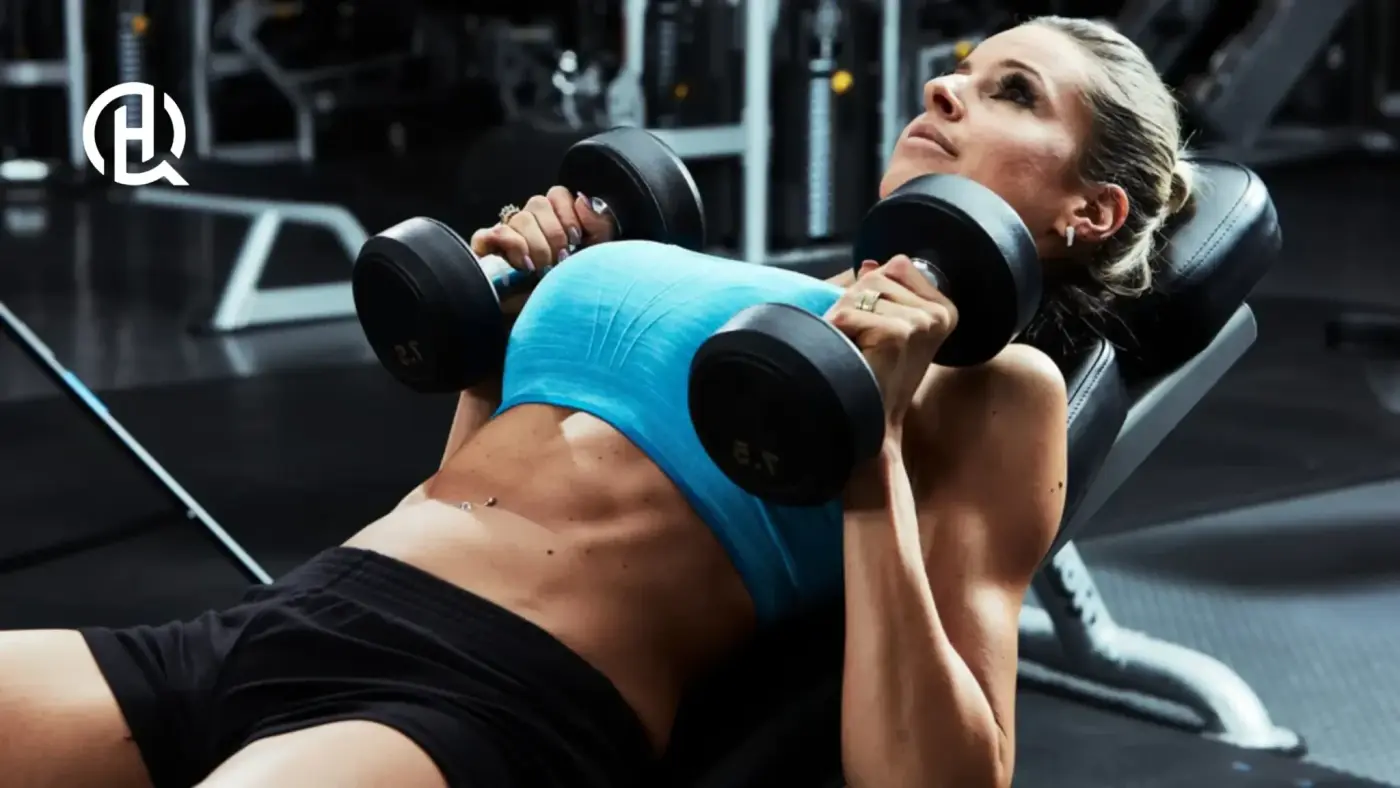
Chest: incline dumbbell bench press
The incline angle shifts more work to the upper chest, which most lifters lack, and dumbbells give a deeper stretch than a bar. In a 2020 study of the bench press at five bench angles, a 30° incline gave the highest upper-chest activation.
Key cue Set the bench to about 30°, not 45°.
Full list: best chest exercises How-to: incline dumbbell bench press guide -
02
Top pick for lats
Lats: weighted pull-up
Pull-ups train the lats through a long range, and a belt or vest lets you keep adding load for years.
Key cue Start each rep from a dead hang and pull your elbows down to your ribs.
Can't do bodyweight reps yet? Start with the pull-up guide. For more back work, see the barbell row and lat pulldown guides.
-
03
Top pick for side delts
Shoulders: cable one-arm lateral raise
The side delts give your shoulders width. A cable keeps tension on them at the bottom of the rep, where dumbbells go slack.
Key cue Lead with the elbow and stop at shoulder height.
Exercise page: cable one-arm lateral raise -
04
Top pick for rear delts
Rear delts: reverse pec deck fly
The machine holds you still, so the small rear delts do the work instead of your back.
Key cue Arms slightly bent, push the handles out and back, not down.
-
05
Top pick for traps
Traps: barbell shrug
Shrugs let you load the upper traps heavy with a simple, short movement.
Key cue Lift straight up toward your ears, pause, lower slowly. No rolling.
Exercise page: barbell shrug -
06
Top pick for biceps
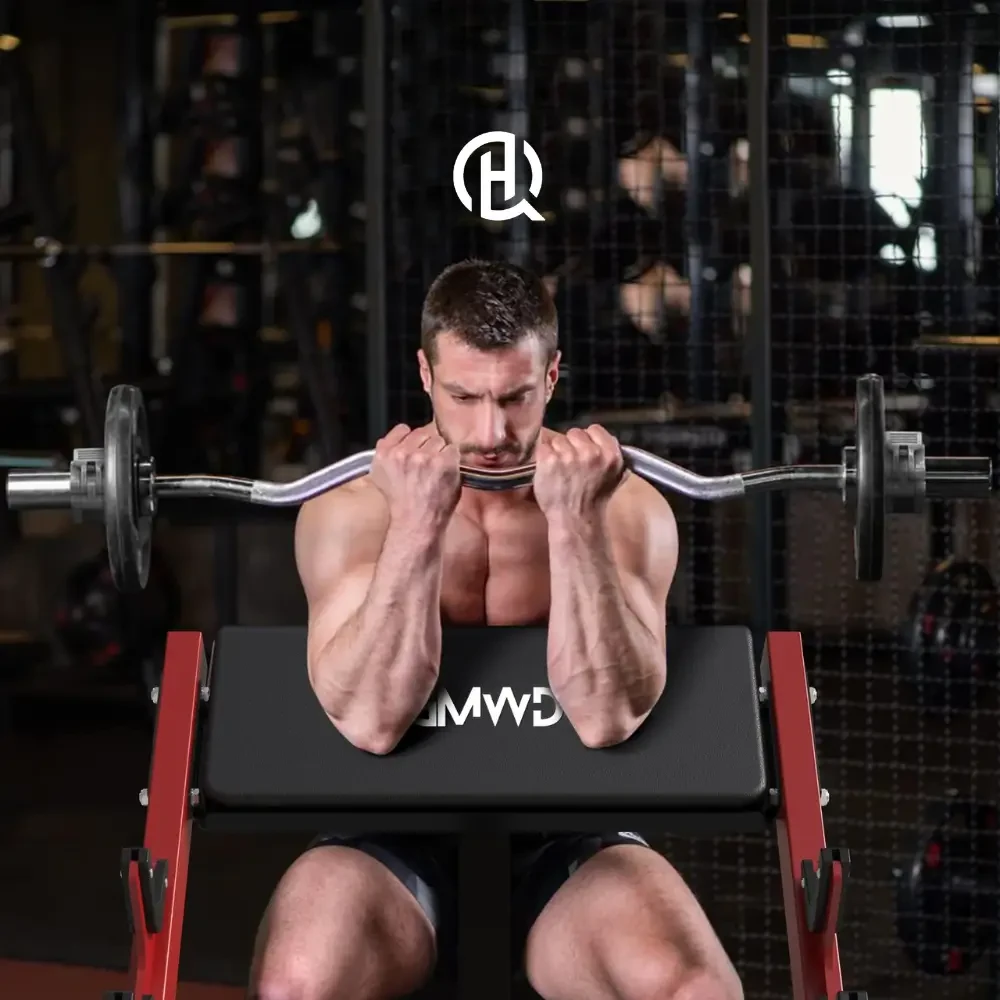
Biceps: EZ-bar preacher curl
The pad braces your upper arm, so you can't swing, and the hardest part of the rep is at the stretched bottom. The EZ bar is easier on the wrists than a straight bar.
Key cue Lower all the way until your arms are almost straight.
Building arms overall? See how to build bigger arms.
Full list: best bicep exercises -
07
Top pick for triceps
Triceps: dumbbell overhead triceps extension
Working overhead puts the long head of the triceps, the biggest part of the muscle, under a deep stretch.
Key cue Keep your elbows pointing up and close to your head.
Full list: tricep exercises How-to: overhead triceps extension guide
Legs and glutes
Lower body: the best exercise for each muscle
-
08
Top pick for quads
Quads: high-bar back squat
A high bar position keeps your torso upright and lets your knees travel forward, so the quads do more of the work. It is also easy to load heavy.
Key cue Sit straight down between your heels, as deep as you can with a neutral back.
Planning a whole session? See the leg day workout.
Full list: best quad exercises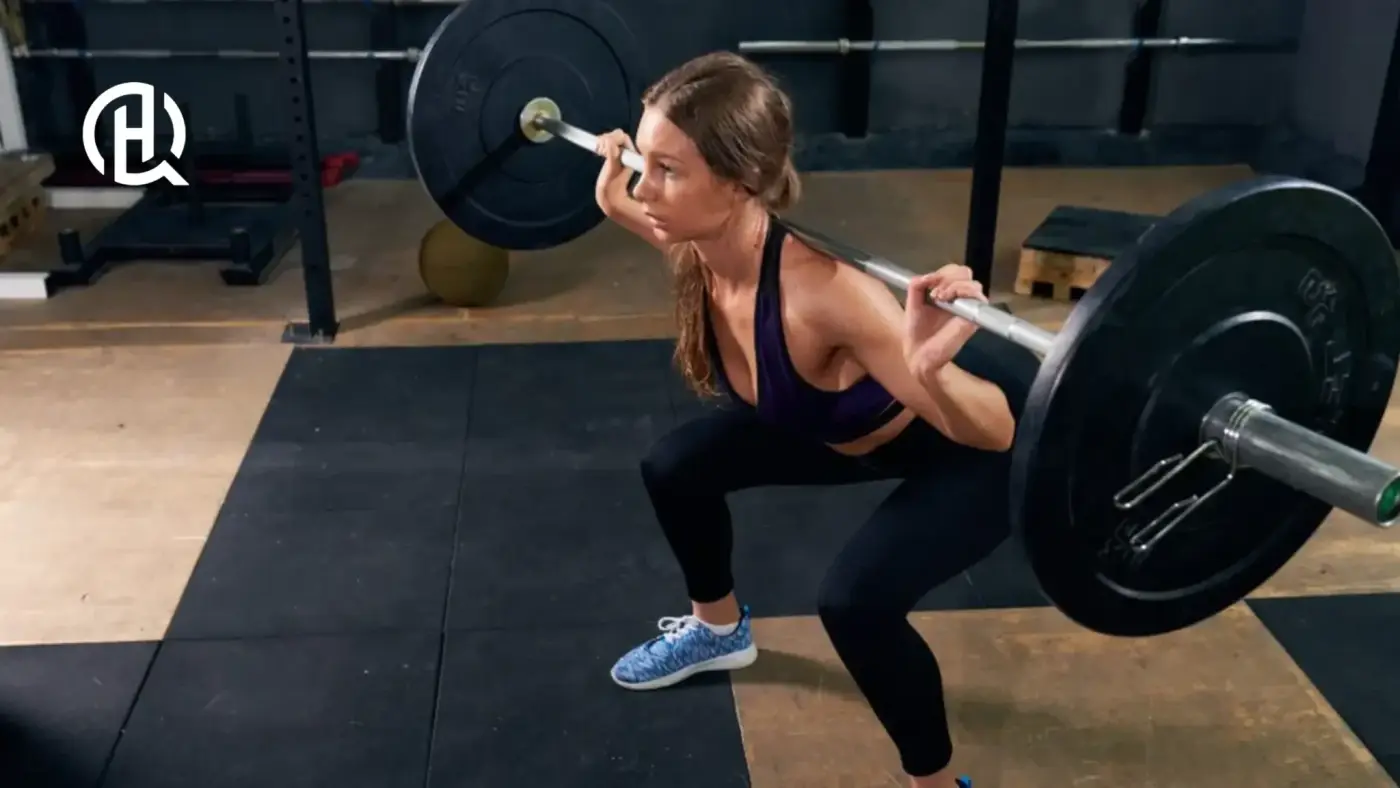
-
09
Top pick for hamstrings
Hamstrings: Romanian deadlift
The hip hinge loads the hamstrings in a long, stretched position, and you can go heavy.
Key cue Push your hips back, soft knees, bar close to your legs; stop when you feel a strong stretch.
Tight hamstrings? Read how to loosen tight hamstrings.
Full list: best hamstring exercises -
10
Top pick for glutes
Glutes: barbell hip thrust
The glutes work hardest at full hip extension, and the hip thrust is heaviest exactly there.
Key cue Chin tucked, ribs down, squeeze hard at the top for a second.
Full list: best glute exercises -
11
Top pick for calves
Calves: standing and seated calf raises
Do both. Straight-knee (standing) raises train the bigger gastrocnemius; bent-knee (seated) raises shift work to the soleus underneath.
Key cue Full stretch at the bottom, pause, then rise as high as you can.
Full list: best calf exercises
Abs
Core: the best ab exercise
-
12
Top pick for abs
Abs: cable crunch
Most ab exercises stay at bodyweight. The cable crunch lets you add load in small steps, like any other muscle.
Key cue Keep your hips still and curl your ribs toward your pelvis. Full stretch at the top, tight contraction at the bottom.
Beginners can start with the plank to learn to brace.
Exercise page: cable crunch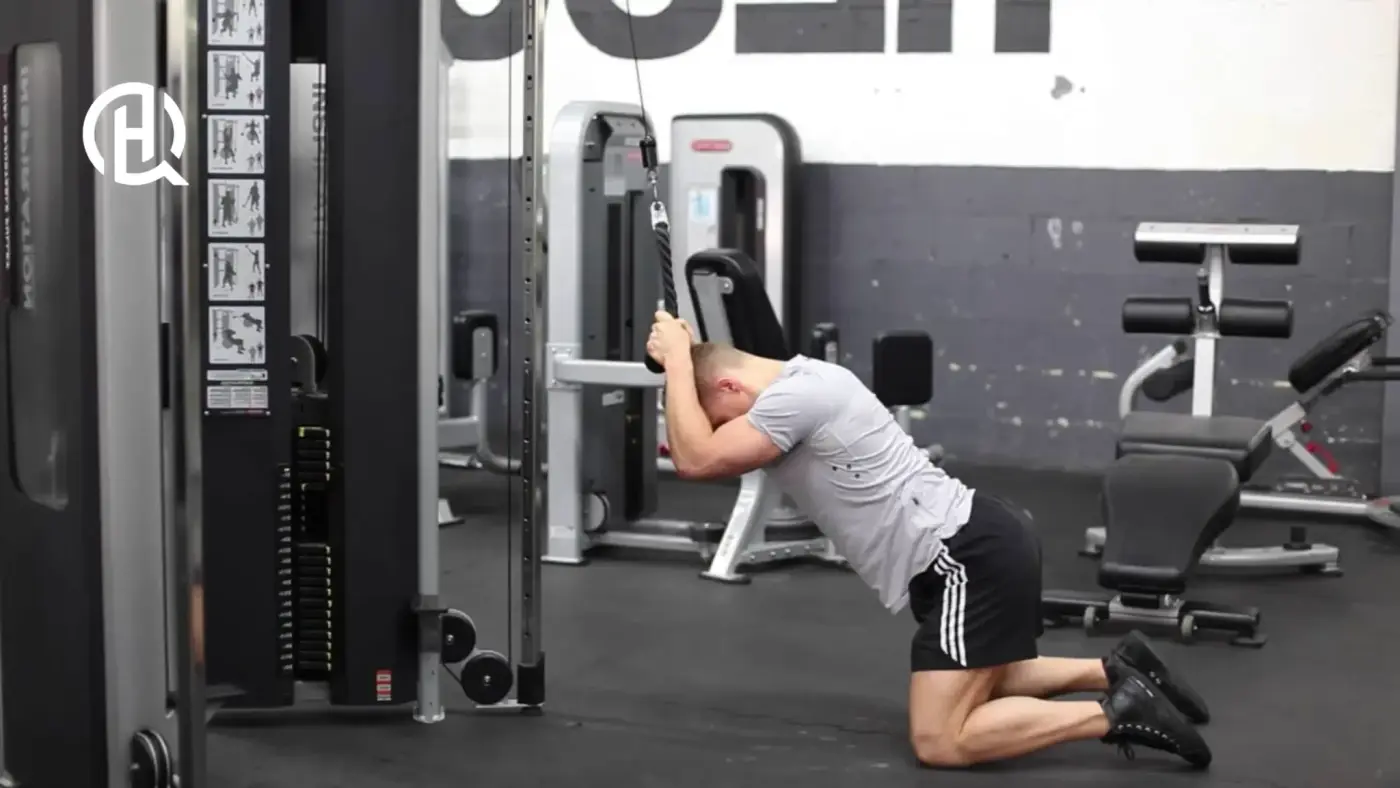
One lift
Full body: the best single exercise
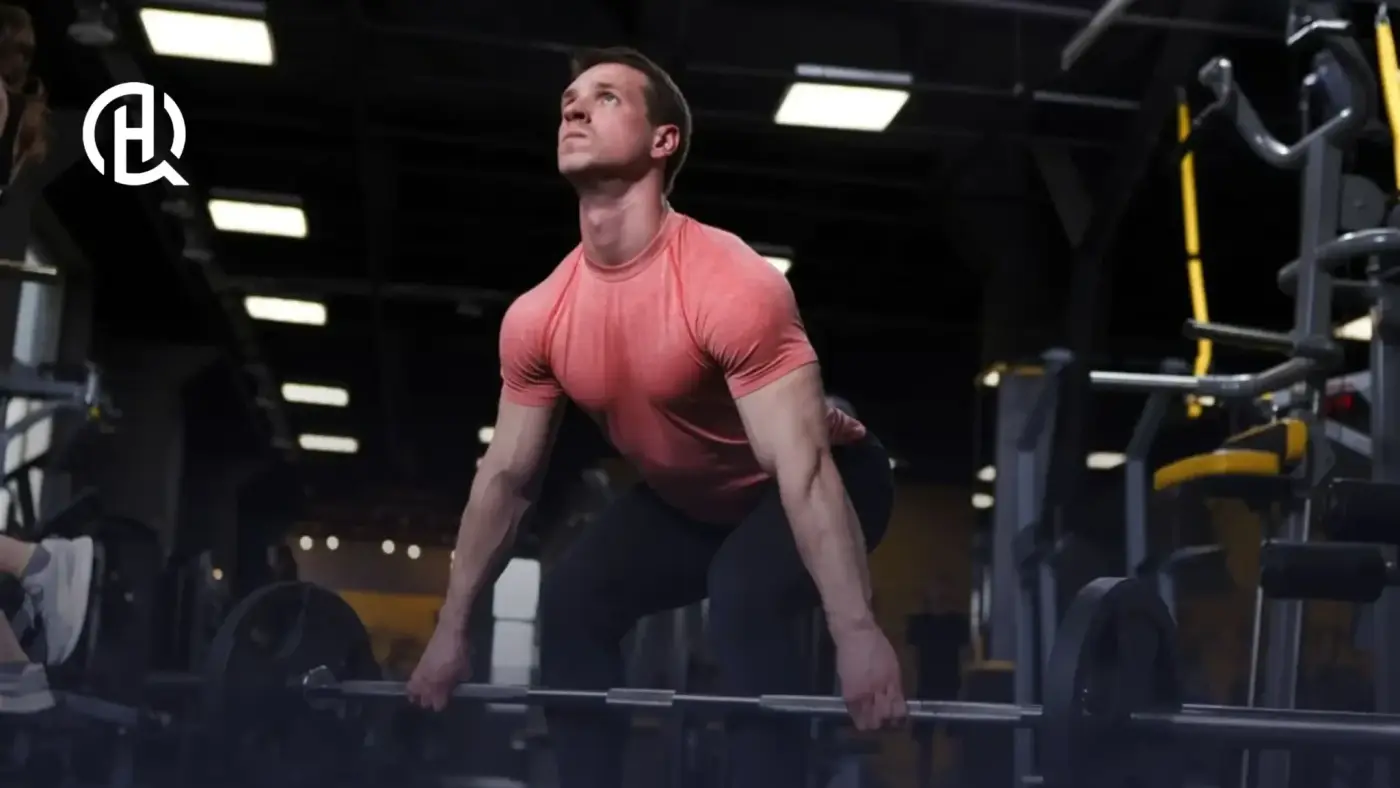
If you could only do one lift, I would pick the deadlift. It trains your hamstrings, glutes, back, traps, grip and core in one movement, and you can load it heavy. A trap bar deadlift is an easier way to learn the hinge. For the full ranking of full-body movements, see the best full-body exercises.
Method
How we chose the most effective exercises
- 01
Muscle activation
How hard a target muscle works during a movement. An exercise that makes the target muscle do most of the work is a better use of your sets.
- 02
Overload potential
The capacity to progress via added load or reps over time. Compound barbell lifts often excel here.
- 03
Range of motion
Favor long ranges with sustained tension for better growth stimulus and joint control.
- 04
Isolated vs compound
Isolation solves weak points and imbalances; compound lifts build overall strength and efficiency.
- 05
Stability and safety
If you can't control it close to failure, it isn't the best choice for that muscle.
Put it together
How to build a workout from this list
- 01
Start with the big lifts
Put compound picks (squat, Romanian deadlift, pull-up, incline press, hip thrust) first, while you are fresh. Isolation picks come after.
- 02
Train each muscle at least twice a week
Spread the picks across two to four sessions. See how much you should train for days and rest.
- 03
Add a second exercise from the full lists
One pick is the anchor. A second exercise from the muscle's list adds a different angle.
- 04
Progress every week
Add a rep or a little weight while form stays the same.
"When I build a plan, I start from this list. The anchor lift for each muscle stays for months; the second exercise is what I rotate."
Herman Leir, Personal Trainer
For fighters
Best exercises for fighters
If you train Muay Thai, MMA, boxing or grappling, the same list works, but the priorities shift. Your power comes mostly from your legs, hips and trunk, so those come before arm size.
Calves: calf raises, plus jump rope if you like it, for footwork and staying light on your toes. Core: cable crunches and planks, so you stay braced when you strike.
Fit these around skill training, not on top of it. Lift on lighter days, do fewer sets than a bodybuilding plan, and leave a couple of reps in the tank. The strength and conditioning for fighters guide covers how to plan the week.
Legs and hips
High-bar squat and Romanian deadlift, or the trap bar deadlift if you want an easier hinge to learn. Hip and leg strength carries over to kicks, knees and level changes.
Back
Pull-ups and rows. Pulling strength helps in the clinch and when grappling.
Chest and arms
Push-ups or a press, for pushing strength and holding a frame.
Questions
FAQ
What is the best exercise for each muscle group?
For building muscle, my picks are the incline dumbbell press for chest, weighted pull-ups for lats, high-bar squats for quads, Romanian deadlifts for hamstrings and hip thrusts for glutes, with isolation picks for the smaller muscles. The top picks table lists one exercise for every muscle, from rear delts to calves, with a link to each full list.
What is the single best exercise for the whole body?
The deadlift. It trains your hamstrings, glutes, lower and upper back, traps, grip and core in one lift, and it is easy to load heavy and progress for years. If the conventional deadlift feels awkward, the trap bar deadlift is a good way to learn the hip hinge with a more upright torso. Squats, pull-ups and push-ups are strong runners-up.
How many exercises should I do per muscle group?
For most people, one or two exercises per muscle in a session is enough, and two to four different exercises per muscle across the week. Start with one anchor lift from this list and add a second exercise from the muscle's full list for a different angle. More exercises only help if you can still train each one hard and recover.
Should I do compound or isolation exercises first?
Do compound exercises first. Squats, deadlifts, pull-ups and presses use several joints and the heaviest loads, so they need you fresh and focused. Isolation exercises such as curls, lateral raises and triceps extensions work well after them, when fatigue matters less. The exception is a muscle you want to prioritise: training it first for a few weeks can help it catch up.
What is the best core exercise?
The cable crunch, because you can load it in small steps like any other muscle, which most ab exercises can't offer. Keep your hips still and curl your ribs toward your pelvis. If you are new to training, learn to brace first with the plank, then add cable crunches. Heavy squats and deadlifts also train your core to stay rigid under load.
What are the best exercises for fighters?
Start with the lifts that build your legs, hips, back and trunk: squats, Romanian or trap bar deadlifts, pull-ups and rows, plus push-ups or a press and some core work. These carry over best to striking, the clinch and grappling. Keep the sessions short, lift on days without hard sparring, and stop most sets a couple of reps before failure.
HermQ programs
Train every muscle with a plan.
One subscription unlocks every HermQ bodybuilding program while it is active. Billed monthly.
Training for Muay Thai, MMA or striking? Combat Performance is a separate one-time program, not part of the $19/month subscription.
The complete combat S&C system. Explosive power, fight conditioning, movement quality, and resilience for Muay Thai, MMA, and striking.
Get Instant Access – $29