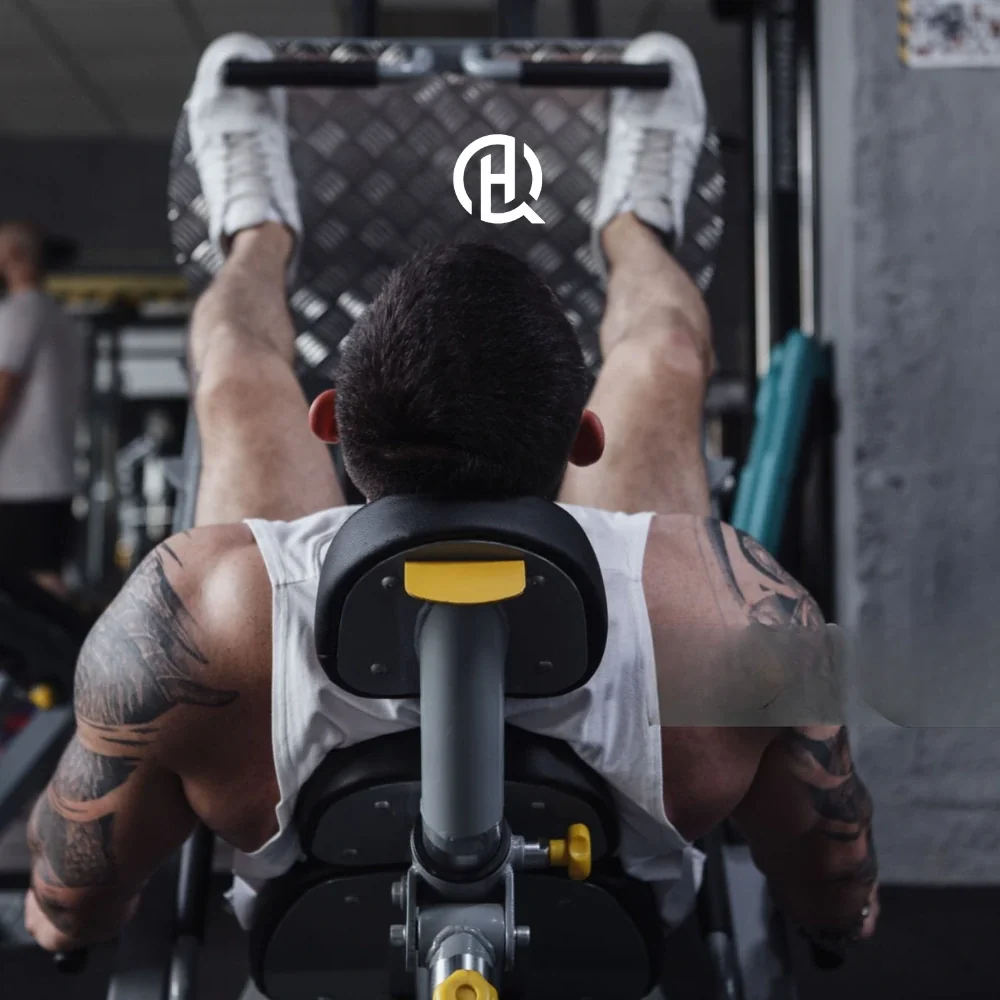

The leg press is a mainstay in many gym programs, but let's face it—it's also one of the most notorious ego lifts. You've likely seen people load the machine with far more weight than they can handle, then hardly bend their knees and call it a full rep.
Done right, though, the leg press can be a great tool for building lower body strength and balance while also reducing stress on the lower back compared to squats.
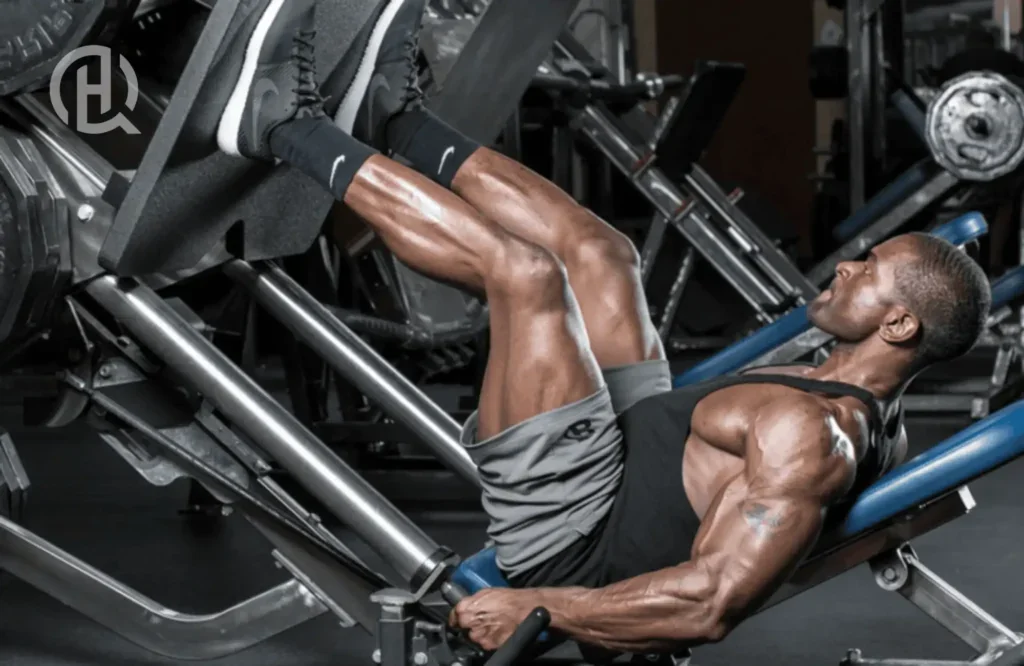
Adjust the Seat Properly – Your knees should atleast form a 90° angle at the bottom.
This article will show you how to get the best value from your time on the leg press machine. As well as form and training tips, we've included a step-by-step video demo so you can see what ideal technique really looks like.
If you want bigger, stronger legs, while cutting out those "b.s." reps, this guide is for you.
Step-By-Step Guide
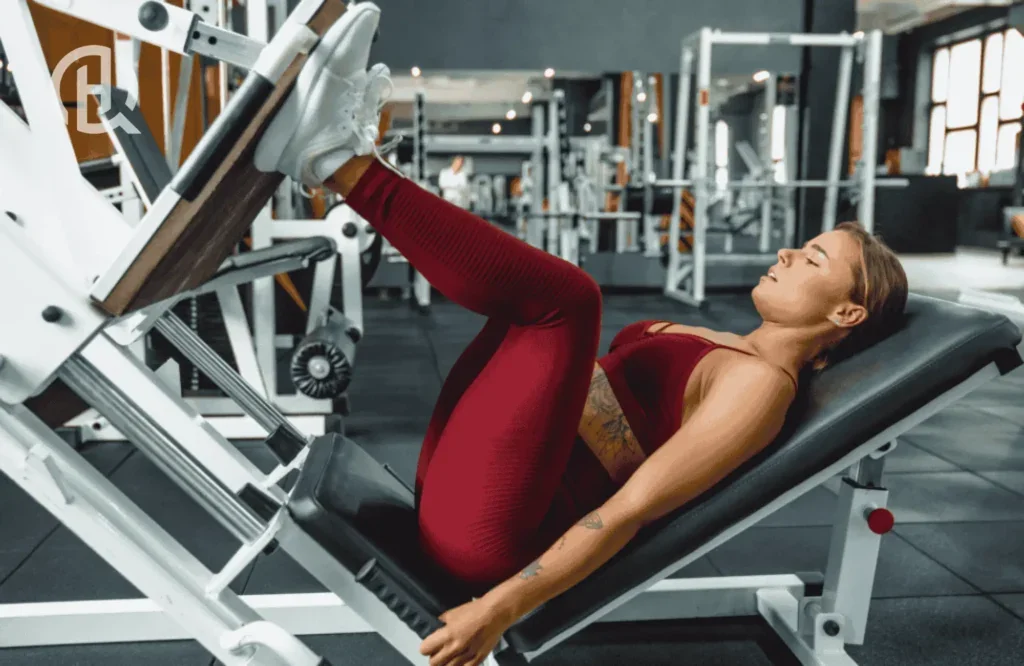
Use a Shoulder-Width Foot Placement – Keeps balance and targets quads effectively.
1. Set Up the Machine
- • Adjust the seat so that your back is fully supported.
- • Place your feet shoulder-width apart in the middle of the platform for a balanced movement.
2. Unrack the Weight
- • Grip the side handles for support and push the platform away slightly to release the safety latches.
- • Make sure your knees remain slightly bent to avoid locking out your joints. We want to keep tension.
3. Lower the Weight Under Control
- • Slowly bend your knees to lower the platform towards your chest, keeping your feet flat.
- • Lower until your knees are at atleast a 90-degree angle or slightly deeper, but don't let your lower back lift off the seat.
4. Press the Weight Back Up
- • Drive through your heels and midfoot to push the platform back to the starting position.
Leg Press Benefits
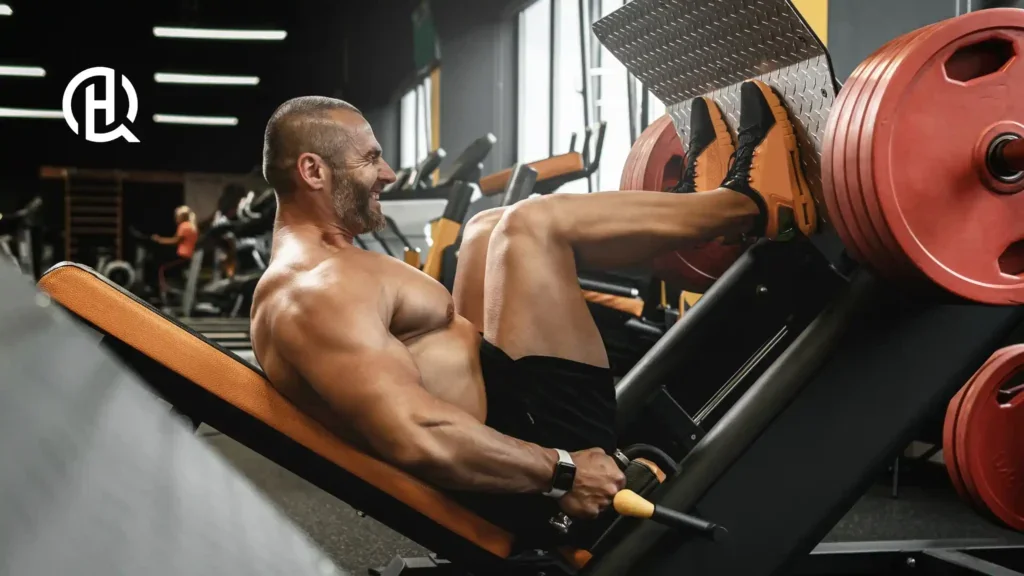
Control the Descent – Lower the weight slowly for better muscle engagement.
When you know the benefits of the leg press, you can use it tactically within your leg training, without getting sucked into ego-lifting! So, here are four reasons to include the leg press in your leg day workout routine:
1. No Spinal Compression
Squats put compression on the spine since the weight is carried on your back, but with the leg press machine you can load your legs while keeping your lower back somewhat stress-free. This makes it a great choice for those who have back problems or anyone wanting to minimize pressure on the spinal column.
2. Strengthens Lower Body
The leg press machine specifically works the quad, hamstring, and glute muscles, allowing you to develop power and muscle mass in your lower body.
3. Safer for Beginners and Rehab
The leg press being a machine-based movement is stable and controlled, making it great for beginners still learning proper lower-body mechanics. It can also be ideal for people recovering from injuries.
4. Reduces Joint Stress
The leg press places less stress on the knees and hips than squats when performed correctly with proper foot placement. This is a great selection for anyone with joint issues who still wants to train their lower body effectively.
Muscles Engaged
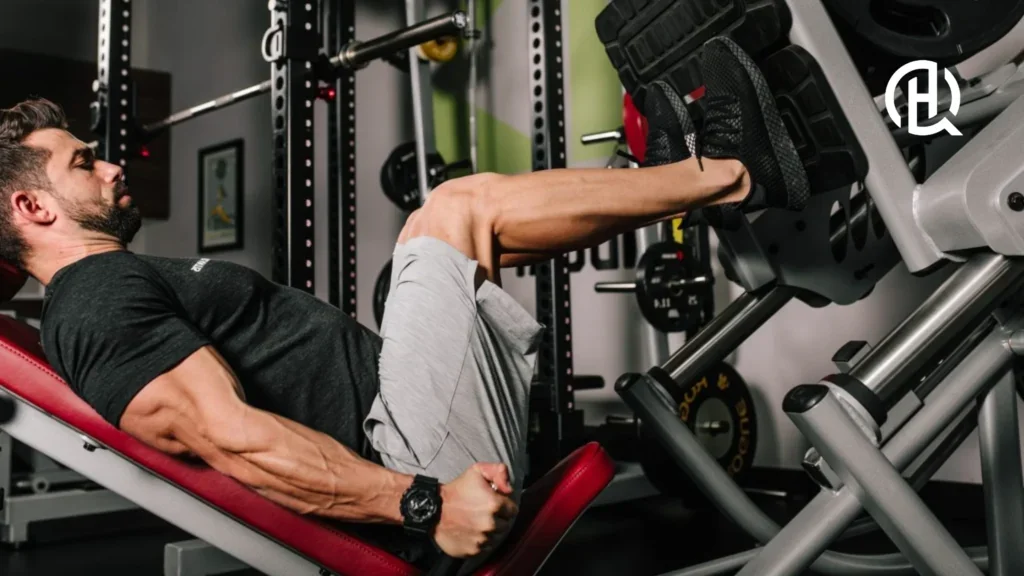
Use an Appropriate Weight – Go heavy but maintain good form.
- • Quadriceps – The quadriceps are the prime movers during the leg press. They drive during the pressing phase to straighten the legs and push the weight away from you.
- • Hamstrings — These muscles at the back of your thighs control the descent and aid in knee flexion. Foot placement adjustments can affect hamstring activation.
- • Glutes – As you push the platform away from your body, the glute muscles help extend the hips.
- • Calves – The gastrocnemius and soleus muscles help to stabilize the movement and assist with extension at the ankle joint at the top of the press.
- • Adductors (Inner Thighs) – These muscles help stabilize your legs and provide controlled movement, especially when you have a wider foot stance.
Foot Placement for Targeted Muscle Activation
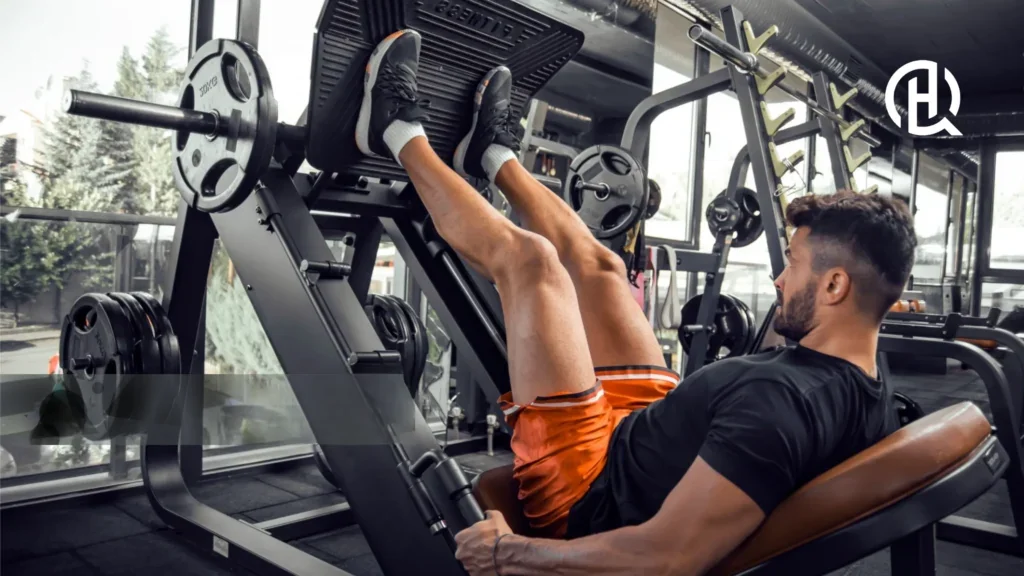
Don't Rush the Reps – Slow, controlled movements lead to better gains.
Different foot placement on the leg press machine affects how the muscles work:
- • Regular Stance (Shoulder-Width, Middle of Platform) — This balanced position targets all major leg muscles, primarily the quads, and secondarily targets the glutes and hamstrings.
- • Feet Elevated — Moving your feet higher during a squat will decrease quad involvement and place more emphasis on the glutes and hamstrings.
- • Low Foot Placement — Placing your feet lower on the platform will target the quads more.
- • Wide Stance –— A wider foot position takes focus to the inner thighs (adductors) glutes, and hamstrings.
- • Narrow Stance — Performed with the feet close together on the platform. This variation places more emphasis on the quads — particularly the outer and inner portions — while reducing hamstring involvement.
- • Toes-Only Position — Placing just your toes onto the platform transforms this exercise into a calf raise, isolating the gastrocnemius muscle in order to build beefier calves.
Personal Trainer Leg Press Tips
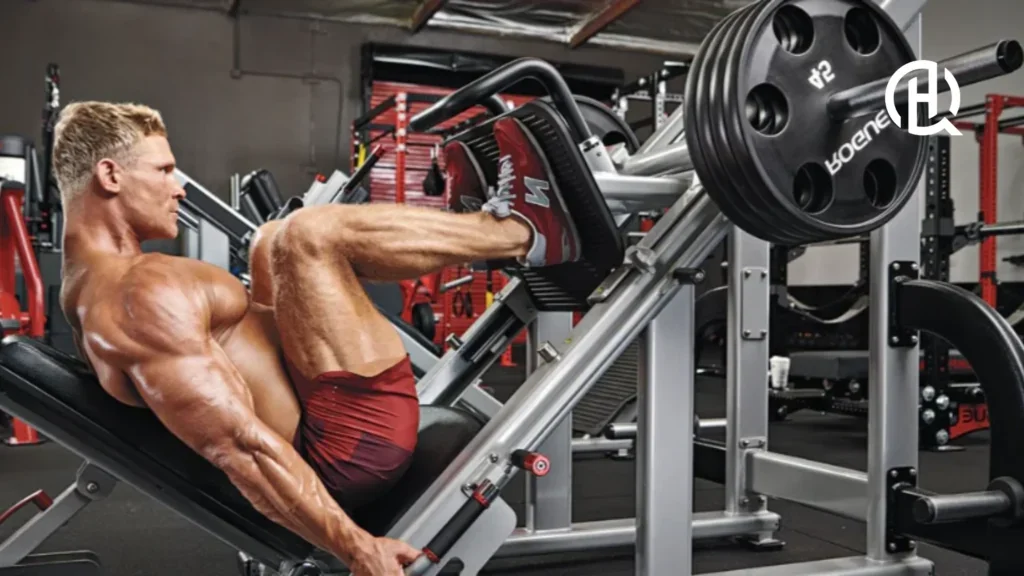
Keep Your Core Tight – Adds stability and prevents excessive pressure on your lower back.
- • Keep Your Feet Flat — Do not lift your heels up off the platform. Doing so puts more stress on the knees and makes you less stable. Press through your entire foot, from heel to toe, ensuring even force distribution
- • Control the Descent – The weight should be lowered slowly and under control (approximately 2 seconds per rep).
- • Do Not Overload the Weight Stack – Using too much weight can cause bad form and overstrain your knees and lumbar region. Concentrate on controlled motions with a weight that you can manage correctly – and bring your knees all the way back to your chest or shoulders!
FAQs
1. How deep should I go on leg press?
Try to get the weight down until your knees are roughly at 90 degrees, or a little deeper if you have the mobility. Don't go so low that you round your lower back off the seat.
2. Is the leg press superior to squats?
There are benefits to both exercises. Because spinal compression is minimized on the leg press, it can be a very good option for those with back problems. Squats, on the other hand, recruit more stabilizing muscles, and improve overall athleticism.
3. Why can't I just load the weight stack as heavy as I can?
Common issues related to using too much weight are partial reps, severely limited poor form, and knee/lower back strain. Strive for depth with controlled reps to best engage the muscle and avoid injury.
Need Inspiration?
Want to get stronger, leaner, and take your fitness to the next level? Check out our proven workout programs!