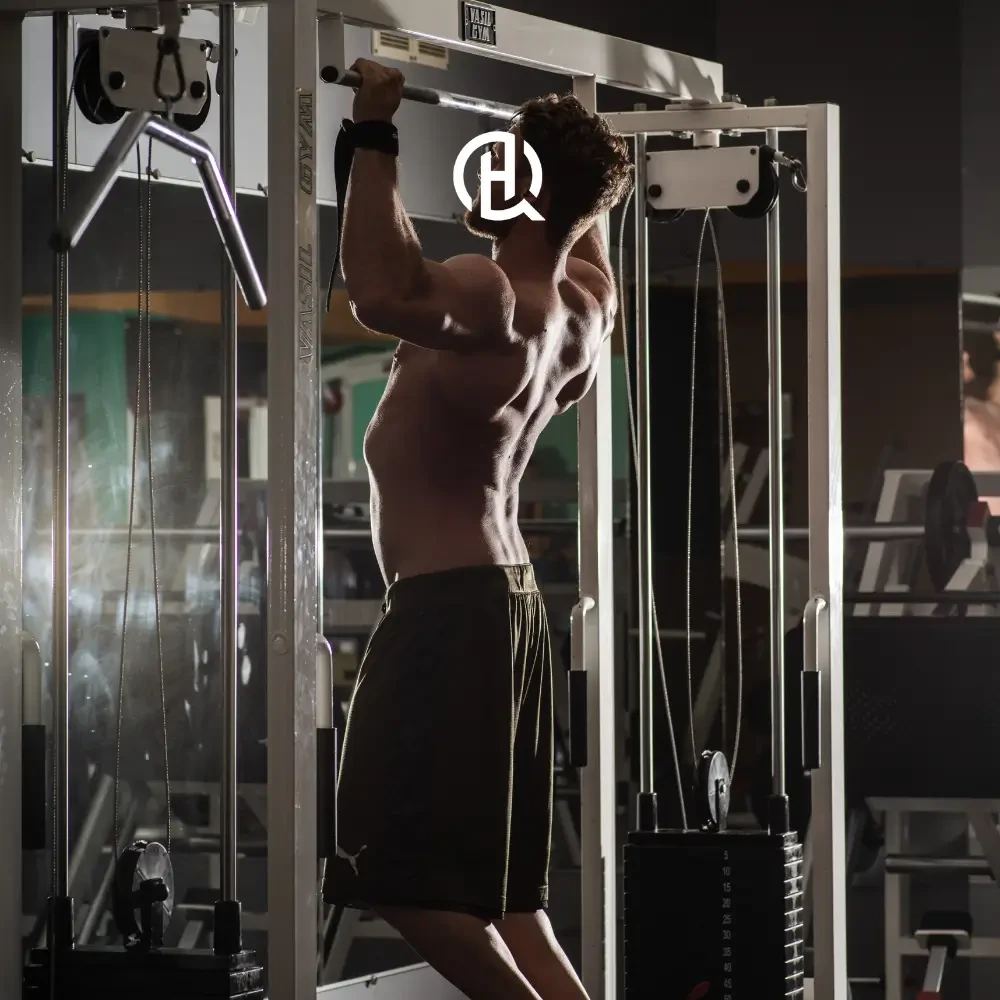

The Pull-Ups is the gold standard of upper-body pulling strength. If you’re after a big, sculpted back and serious pulling power, you can’t skip pull-ups. They work your lats, biceps, upper back, and core using nothing but your bodyweight and require both strength and control.
Unlike lat pulldowns or machine work, pull-ups require your body to stabilize and lift as one cohesive unit. They’re scalable, brutally honest, and, when executed properly, can be extremely effective. Whether your goal is to gain muscle, gain strength, or control your body against gravity, pull-ups should be part of your routine.
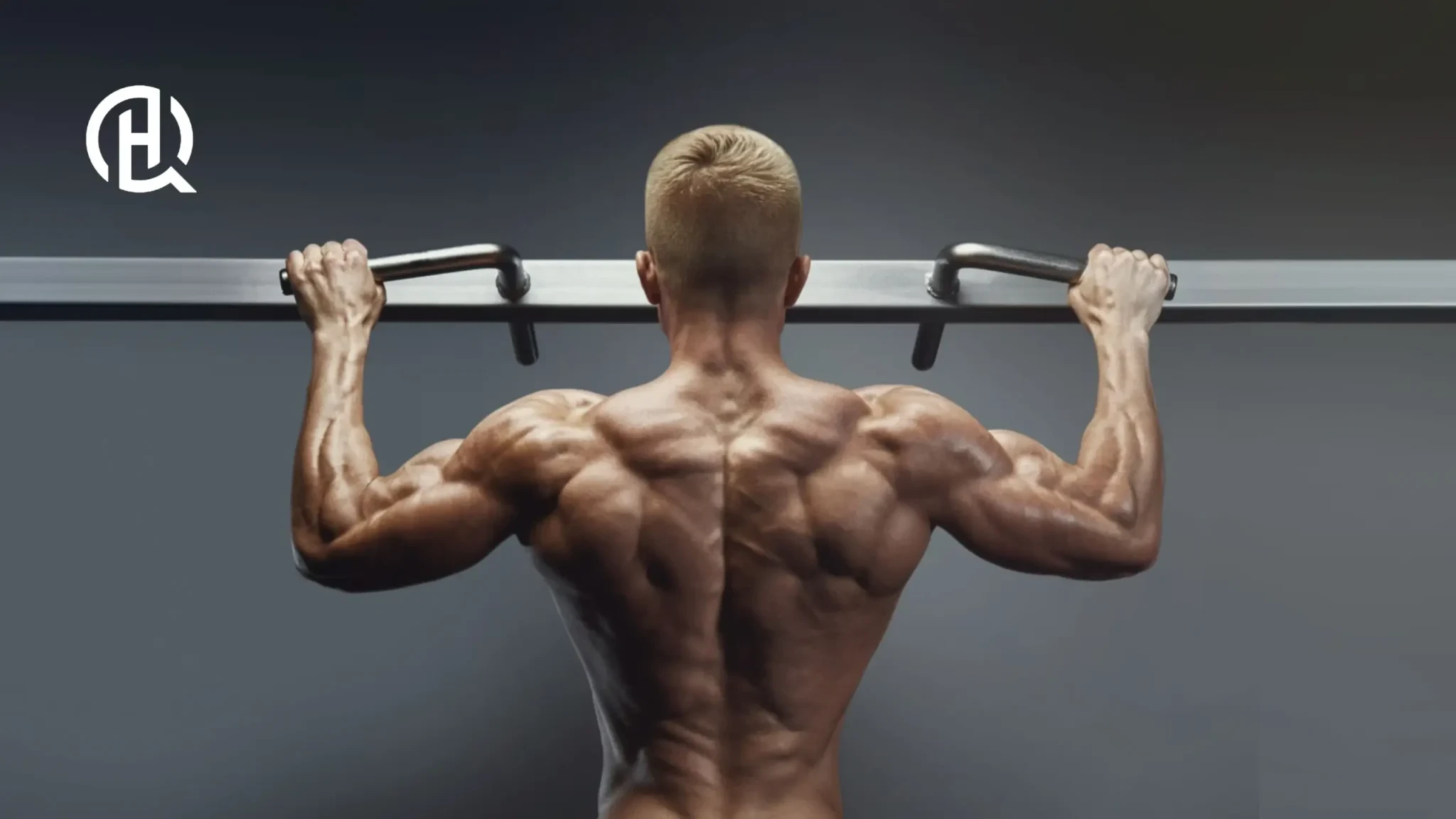
Engage Your Scapula First – Slight shoulder blade pull before bending elbows.
The reason pull-ups are so special is the depth to which they can expose your current level of fitness. They really are an accurate measure of relative strength: how strong you are relative to your bodyweight. If you can’t do one of these yet, no problem — there are progressions that will take you there. And if you’re already crushing sets, you can always draw up the intensity by adding weight or adjusting tempo.
This guide will show you how to do pull-ups the right way, explain the muscles they work and their many functional benefits, and point out common errors you should avoid, as well as tips and tricks from the experts to help you crush even more reps.
How to perform the Pull-Ups (Video):
Personal trainer from the HermQ team showing how to do the Pull-Ups.
Pull Ups: How To
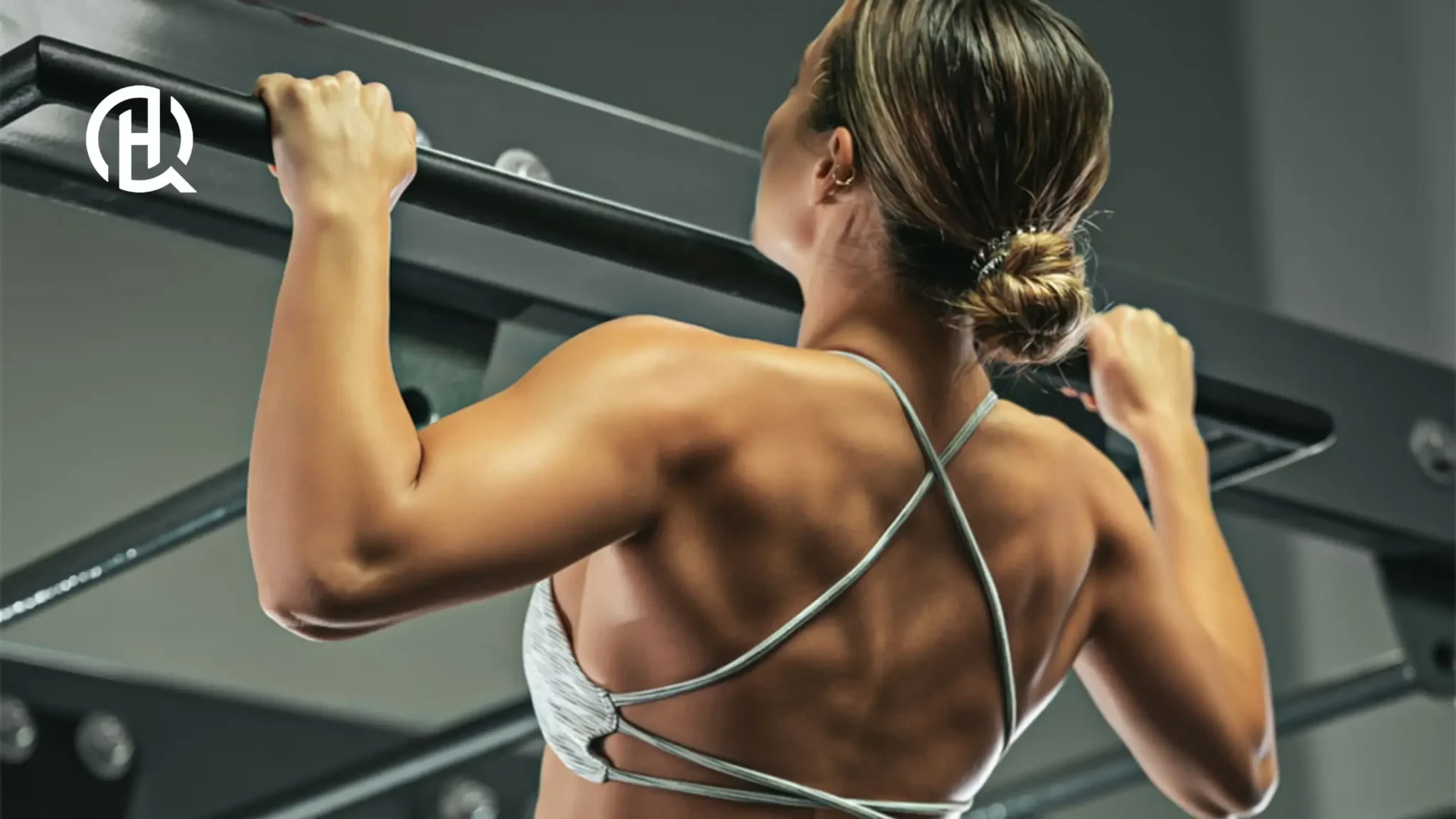
Use a Full Range of Motion – Chin over bar, full extension down.
- • Take hold of a pull-up bar with an overhand (pronated) grip, your hands set slightly wider than shoulder-width.
- • Allow your body to hang with arms straight and feet crossed over.
- • Brace through your core, and slightly retract your shoulder blades before pulling.
- • Bring your chest to the bar by pulling your elbows down and back.
- • Pause when your chin is over the bar, then lower yourself in a controlled manner back down to a dead hang.
Pro Tip:
Think about bringing your elbows down to the side of your ribs, rather than your chin to the bar — this will help shift your focus from your arms to your back.
Muscles Worked in Pull-Ups
Pull-ups are a true compound bodyweight exercise, engaging multiple muscle groups simultaneously:
- Latissimus Dorsi (Lats) – the primary movers, creating width and the signature V-taper.
- Biceps & Forearms – assist in pulling and grip strength.
- Trapezius & Rhomboids – stabilize the scapula and support upper-back thickness.
- Rear Deltoids – aid shoulder stability during the pull.
- Core (abs & obliques) – stabilize the body, prevent swinging, and maintain control.
This combination makes pull-ups one of the most effective moves for developing both size and strength in the upper body.
Progressions: Work Up to a Full Pull-Up
- Dead Hangs – simply hang from the bar to build grip and shoulder strength.
- Scapular Pulls – engage lats by pulling shoulders down and back without bending elbows.
- Negative Pull-Ups – jump to the top and lower slowly for controlled strength gains.
- Assisted Pull-Ups (Bands or Partner) – reduce load while still training the movement.
- Australian Pull-Ups / Inverted Rows – horizontal pulling to build foundational strength.
- Full Pull-Up – once you’ve built enough strength, perform strict pull-ups with good form.
Pull Ups: Benefits
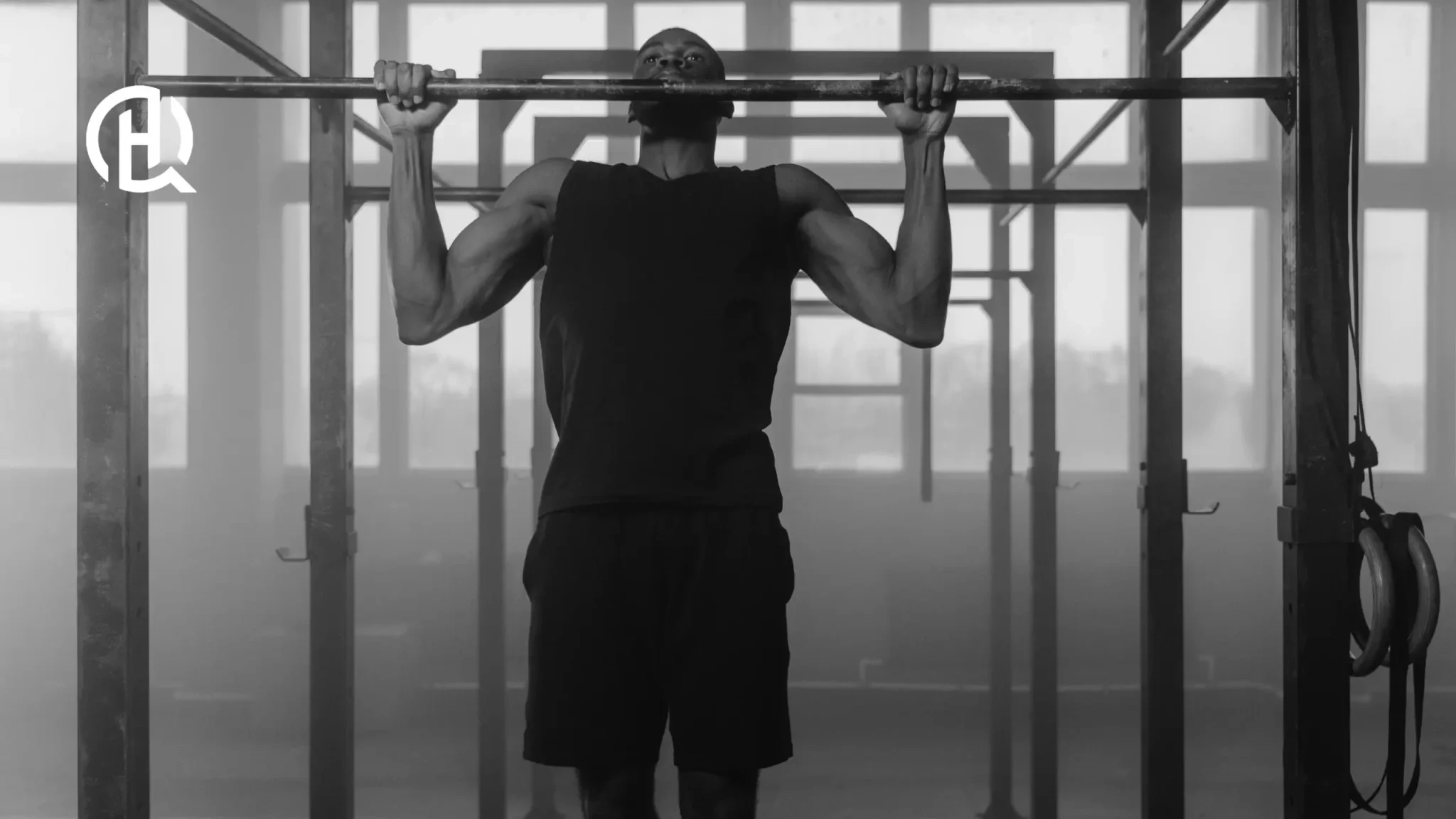
Grip Slightly Wider Than Shoulder Width – Best for targeting lats.
Builds a Wide, V-Tapered Back
Pull-ups are one of the best exercises for building up the lats, which is what gives your back that wide, winged-out look.
Strengthens Arms and Upper Back
Along with the lats, pull-ups also work the biceps, forearms, rhomboids, and traps.
Improves Grip Strength
Even just hanging from the bar builds grip. Over time that means it’s going to make their deadlifts, rows and everyday carrying tasks stronger.
Enhances Core Stability
To do a correct pull-up takes a tremendous amount of core strength. And if done correctly, your abs and obliques are doing just as much work to maintain your body’s stability.
No Equipment, Maximum Results
All you need is a bar. Pull-ups can be performed in the gym, at home, or on a playground. They provide an incredible return on a small investment.
Pull Ups: Mistakes to Avoid

Keep Core Tight & Legs Still – Avoid swinging or kipping.
❌ Half Repping
If you don’t at least clear your chin above the bar, or you’re not going all the way down, you’re short changing yourself. Use full range of motion for actual strength and muscle gains.
❌ Kipping or Jerking
If you’re not doing kipping pull-ups (which are a CrossFit thing), don’t use momentum. Maintain strict form to get the most back recruitment as possible.
❌ Letting the Core Go Slack
Brace your abs and tighten your glutes to prevent movement and keep your body stiff from head to toe.
Variations
To keep progressing and target different muscle groups, try these variations:
- Chin-Ups (Underhand Grip) – more biceps involvement, often easier for beginners.
- Neutral Grip Pull-Ups – wrist-friendly and balanced activation.
- Wide Grip Pull-Ups – greater emphasis on the lats for back width.
- Commando Pull-Ups – one hand in front of the other, engaging the core heavily.
- L-Sit Pull-Ups – advanced variation combining core and back strength.
- Clapping Pull-Ups – explosive power training for advanced lifters.
Synonyms & Search Variations
Pull-ups are sometimes referred to in different ways.
- Chin-Ups (supinated grip version)
- Neutral Grip Pull Ups
- Bodyweight Pull Ups
Expert Training Tips
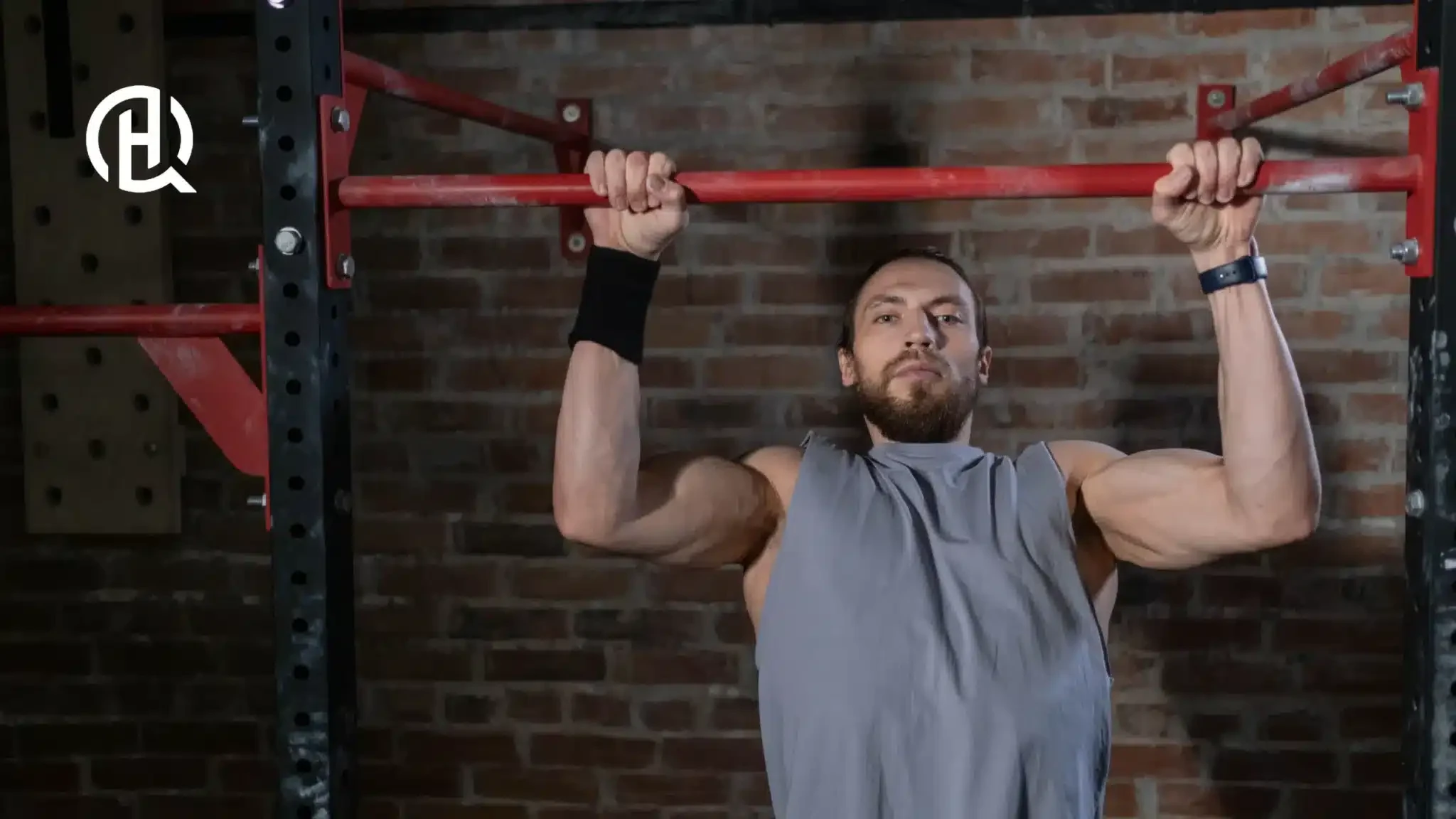
Drive Elbows Down, Not Back – Focus on pulling with your lats.
✅ Use Dead Hangs Between Sets
Hang from the bar for a 20- to 30-second hold between sets to improve grip and shoulder health, all while resetting yourself mentally to make sure your form is spot on.
✅ Begin with Band Assistance if Required
If you’re not able to do a full pull-up yet, wrap a resistance band around the bar and under your knee or foot to assist in taking some of the load. Slowly progress band resistance as your strength improves.
✅ Add Weight to Progress
When you can perform 8–10 reps without much of a struggle, add weight with a dip belt or hold a dumbbell between your feet. Progressive overload can also be used for your bodyweight (and, more than likely, should be).
✅ Grease the Groove
Do a few reps throughout the day, not one big set. This “little but often” method can even help build endurance and neurological efficiency rapidly.
FAQ
Pull Ups vs. Chin-Ups – which is better?
Neither is “better” — pull-ups (overhand) emphasize the upper back more, while chin-ups (underhand) recruit the biceps more and often feel easier. Both are excellent and complementary.
How often should I train pull ups?
For most people, 2–3 times per week is ideal. Mix heavy sets, assisted work, and variations.
What if I can’t do a single pull up?
Use the progression methods: negatives, assisted pull-ups with bands, and inverted rows until you build the necessary strength.
Do pull ups build muscle or just strength?
Both — pull-ups develop hypertrophy in the lats and arms while massively improving relative bodyweight strength.
Related Exercises
Pull Up
Want to get stronger, leaner, and take your fitness to the next level? Explore our workout programs now!
See More Exercises→