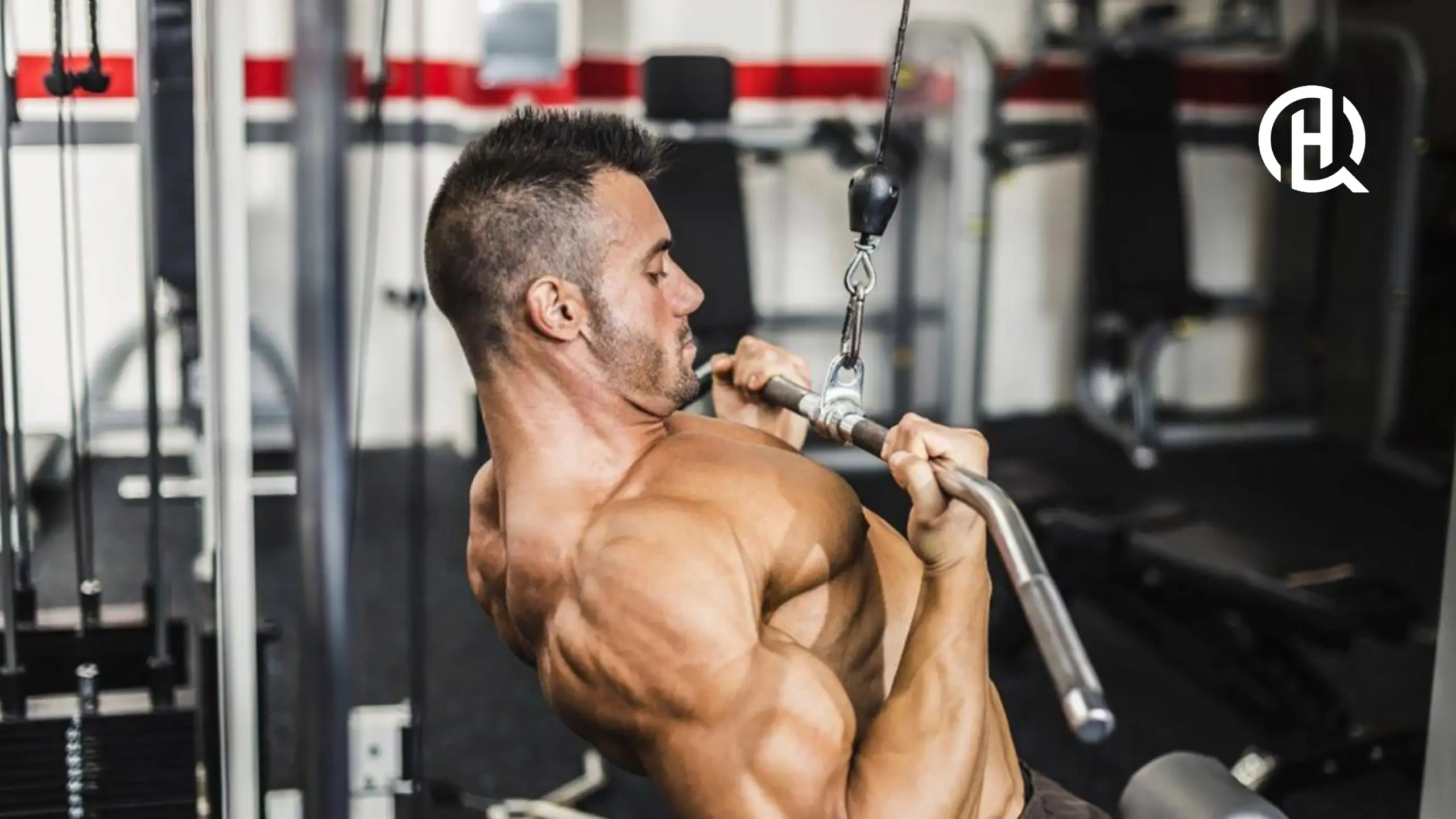

The reverse grip pulldown is an undervalued little gem in the world of back training! Traditional lat pulldowns and pull-ups are usually what people fill their routine with, but gripped underhand (supinated), everything changes! It puts proportionally more of the focus on your lower lats, targeting your biceps but also hitting your chest and core, too; it's like a cross between a pull-up and a chin-up in machine form.
This version gives you an excellent stretch and a nice full contraction of the lats due to the curling path that your arms must take with the underhand grip. It's easier on the shoulders for a significant number of lifters and can serve as a great alternative for those who have mobility or joint issues affecting their ability to do traditional wide-grip pulling movements.
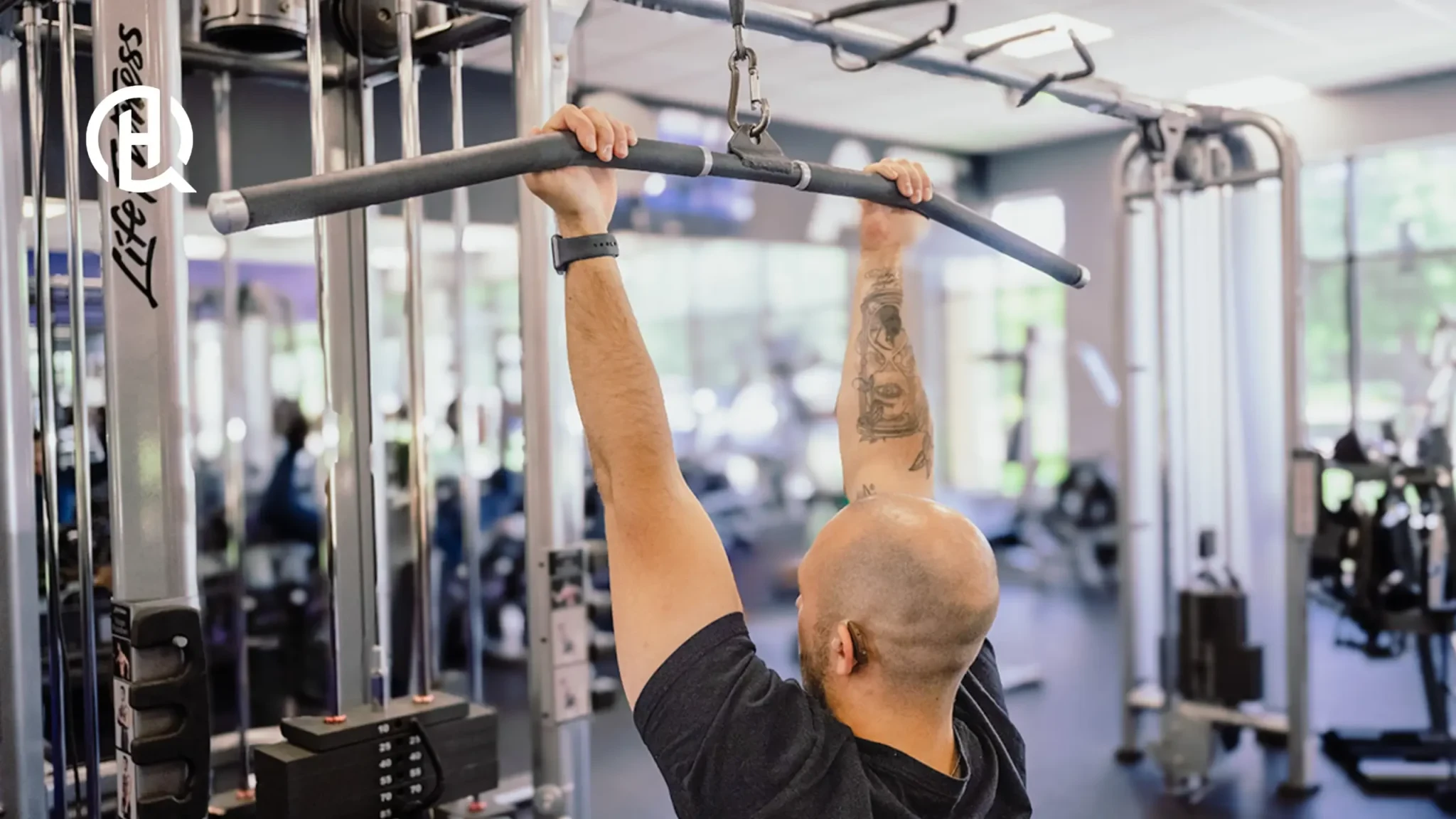
Keep Your Chest Up – Helps isolate lats and improves posture.
This guide will teach you how to perform the reverse grip pulldown with perfect form, outline the muscles worked, go over the various advantages of using this exercise in your training program, highlight some of the most common mistakes to avoid and share some valuable expert tips for maximizing your gains.
How to perform the Reverse Grip Pulldown (Video):
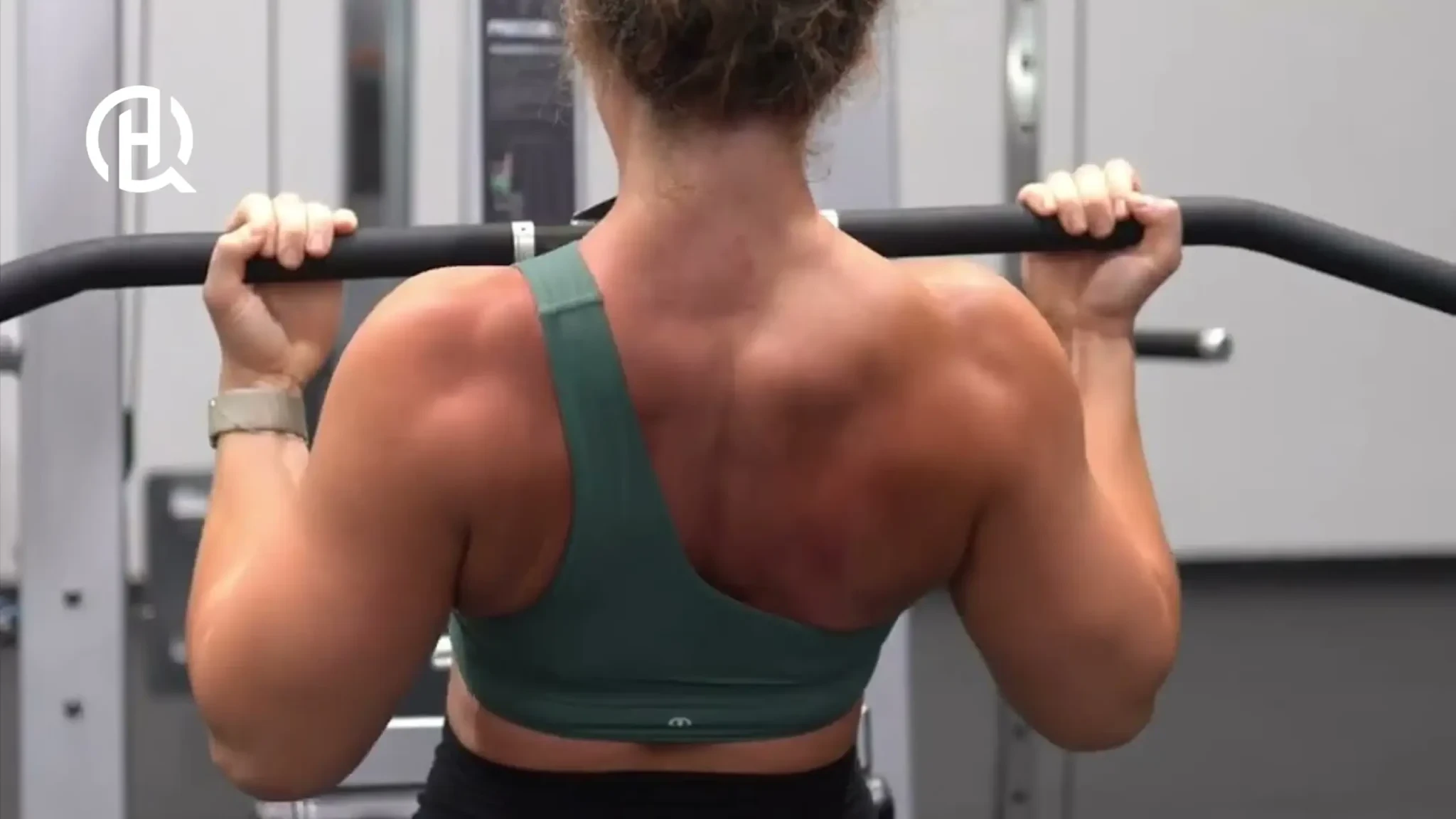
Personal trainer from the HermQ team showing how to do the Reverse Grip Pulldown
Reverse Grip Pulldown: How To
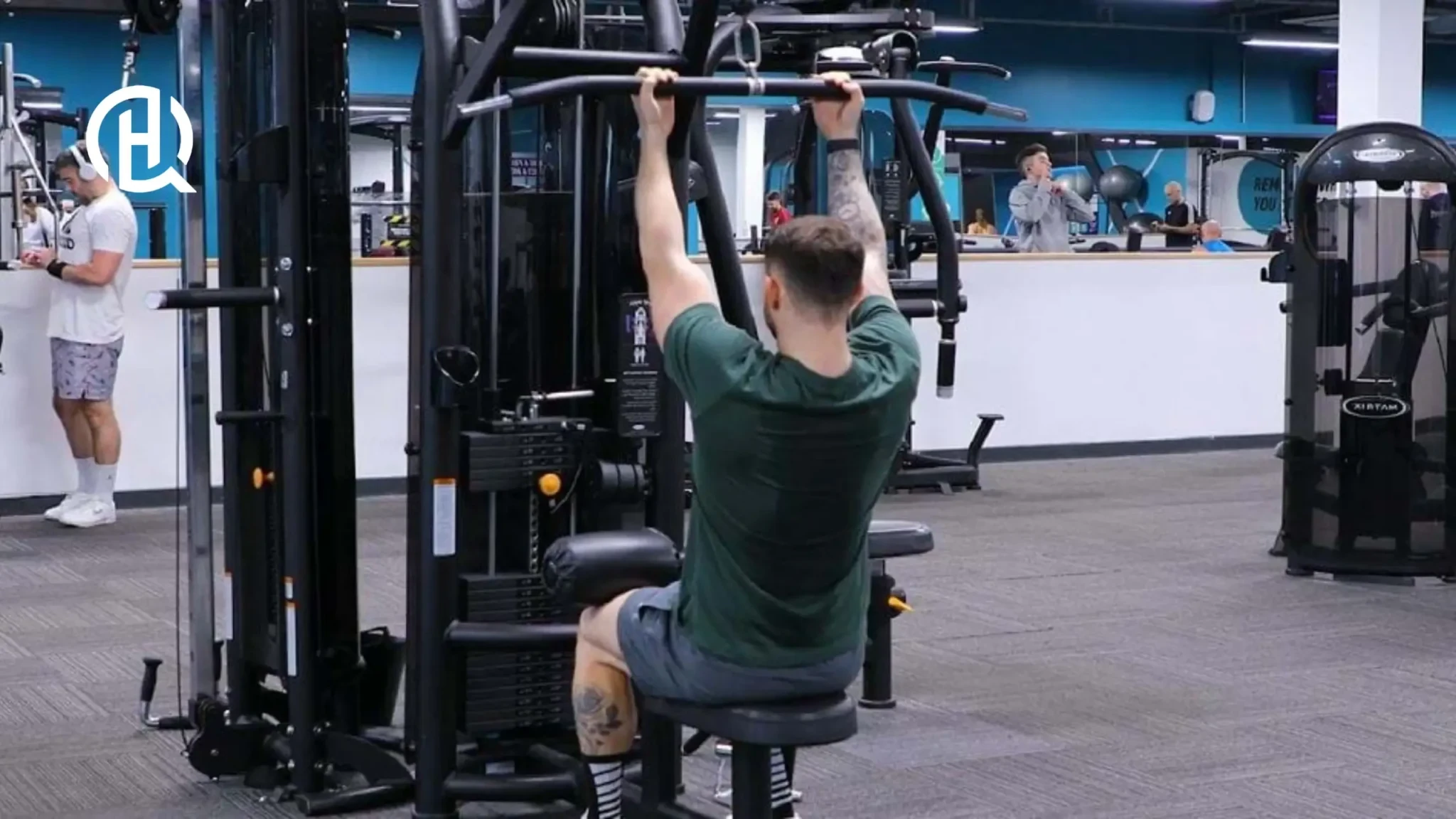
Pull the Bar to Your Upper Chest – Not behind the neck.
- • Sit down on the seat of a pulldown machine, and set the seat so your thighs are secure under the pad, and your feet flat on the floor.
- • Hold the bar with a supinated grip, your hands at about shoulder-width or closer.
- • Sit tall with your spine straight and a small curve in your lower back. Look straight ahead and tighten your core.
- • Begin the pull by retracting and depressing your scapulae, then pulling the bar towards your upper chest by flexing your elbows and depressing them down and slightly back.
- • Squeeze the lats at the bottom of the lift and do not allow your torso to swing in the process.
- • Control the bar back down the same way it went up, fully extending your arms at the bottom for a wicked lat stretch.
Muscles Worked in the Reverse Grip Pulldown
The reverse grip pulldown primarily targets the latissimus dorsi, with a greater emphasis on the lower lats compared to the traditional overhand version. Supporting muscles also play a significant role:
- Biceps – heavily involved due to the underhand grip, assisting in elbow flexion.
- Teres Major – aids the lats in pulling the arms downward.
- Rhomboids – stabilize the scapulae and assist with retraction.
- Rear Delts – contribute to shoulder stability and pulling mechanics.
- Core – engaged to maintain posture and prevent excessive leaning back.
This makes the reverse grip pulldown an excellent hybrid exercise that builds both back width and pulling strength, while also transferring well to chin-up progression.
Reverse Grip Pulldown: Benefits
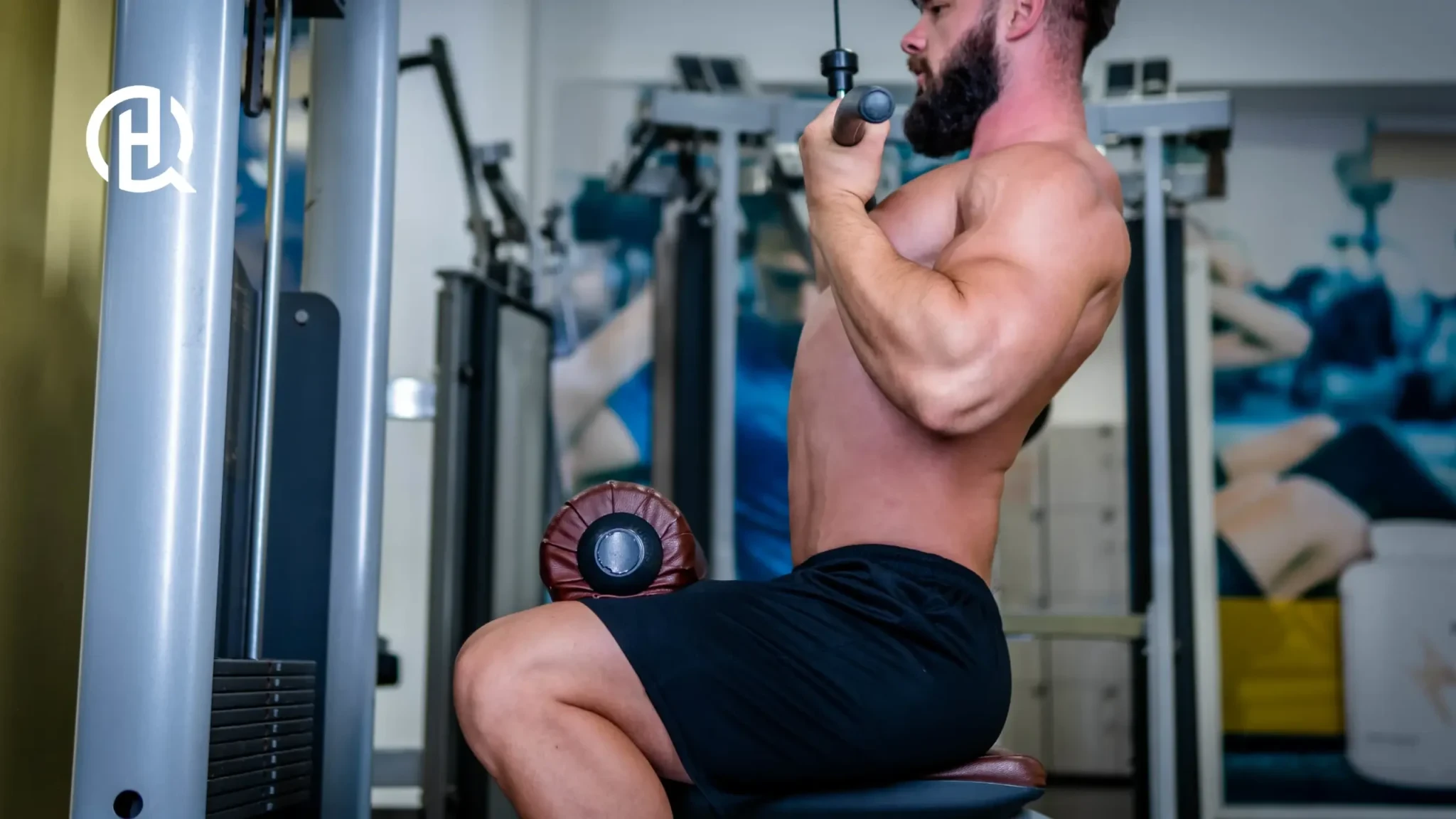
Engage Core Throughout – Keeps your spine stable and form tight.
Targets the Lower Lats and Biceps
The underhand grip position will direct the stress off of the upper back and into the lower lats. It also brings more of the biceps into play, potentially helping you build more pulling strength and bigger arms.
Permits You to Move More Freely
By supinating their grip, most people can pull the bar lower on their torsos without any impingement or strain on shoulders. This bottom depth contraction allows the lats to have a better mechanical advantage and a greater stretch at the top, leading to greater hypertrophy.
Easier on the Shoulders
The reverse grip is comfortable for lifters with cranky shoulders or mobility limitations, more so than the wide, overhand version. It puts your shoulders in a more neutral externally rotated position, which will slow down the chances of shoulder pain/injuries.
Increased Pull Up & Chin Up Strength
When you train the reverse grip pulldown, you can expect natural gains to your pull up or chin-up. It replicates the movement pattern of a chin-up in a controlled setting, and is a great way to build basic pulling strength for someone who can't perform a solo bodyweight chin-up just yet.
Excellent Mind-Muscle Connection Exercise
Since the motion is more restricted and the grip is narrower, it's easier to isolate the lats and to "feel" them working. This makes it a great candidate for building that hard-to-come-by lat engagement that a lot of beginners find hard.
Reverse Grip Pulldown: Mistakes to Avoid
Breathe Out as You Pull Down – Control the motion.
Leaning Too Far Back
Arching too much and leaning back makes the movement a row instead of a pulldown. This relieves tension from the lats and takes unnecessary stress off the lower back. Lead with your chest tall and your lats engaged the whole way through.
Using Momentum
Jerking the bar down or using body momentum to get the bar to the chest entirely defeats the purpose of the movement and significantly increases the risk of injury. Concentrate on controlled reps and a good muscle contraction, not speed or swinging.
Neglecting the Stretch
Many lifters rush the eccentric (lowering) part of the rep, which doesn't allow a full stretch of the lats at the top. Fully extend your arms while remaining engaged with your shoulders, and stretch a little longer on each pull to really work your lats.
Overgripping
If you're clenching the bar and maintaining engagement with the forearms, you are likely not accessing your lats properly. Relax your hold a bit so that you can focus on pulling with your elbows rather than your hands.
Pulling the Bar Too Low
Dropping the bar too far down to the chest can cause your elbows to flare out. Your goal should be to pull the bar down to your upper chest or collarbone area.
Synonyms & Search Variations
Different gyms and coaches may refer to this exercise using other names.
- Underhand Lat Pulldown
- Supinated Grip Pulldown
- Reverse Grip Lat Pulldown
All of these describe the same movement, performed with an underhand/supinated grip.
Expert Training Tips

Don't Flare Elbows Too Wide – Keep them tucked slightly inward.
Warm Up with Scapular Pulls
Before hopping into your working sets, prime your scapular stabilizers with a few reps of scapular pulldowns (just retract the shoulder blades without bending the elbows). This will prime your lats and help with control.
Use a Shoulder-width Grip
Grip width is key to make sure you really get those lats and biceps firing. Too wide a grip will reduce the mechanical advantage and turn the movement into an awkward hybrid
Try Pausing at the Bottom
Keep the bar at your chest level for 1–2 seconds on every rep, This will increase time under tension, help you reinforce proper positioning, and amplify the contraction of your lats.
Finish with Drop Sets
To fully fatigue your lats, drop the weight by 20–30% following your last working set and rep out to failure.
FAQ: Reverse Grip Pulldown
Reverse grip vs. regular lat pulldown – which is better?
Neither is strictly better — the reverse grip emphasizes the lower lats and biceps, while the regular lat pulldown hits the upper lats and mid-back more. Both can be combined for complete back development.
Is the reverse grip pulldown safer for the shoulders?
For many lifters, yes. The underhand position puts the shoulders in a more neutral, externally rotated position, which often feels more comfortable and reduces strain.
How many sets and reps should I do?
Aim for 3–4 sets of 8–12 controlled reps. Focus on quality contraction and a full stretch at the top.
Can beginners do reverse grip pulldowns?
Definitely. It's an accessible exercise that teaches proper pulling mechanics, and it's especially useful for those working toward their first chin-up.
Related Exercises
Reverse-Grip Pulldown
Explore more exercises and build your perfect workout routine with our comprehensive exercise library.
See More Exercises→