Training guide
Shadow Boxing
What it means, how the rounds work, and whether it builds muscle.
Shadow boxing explained by a performance coach: what it means, a round-based workout plan, footwork, how it fits the week, and whether it builds muscle.
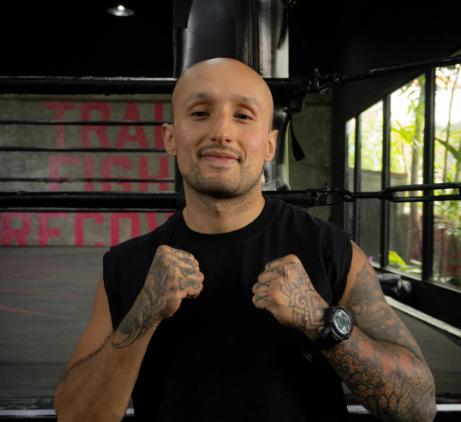
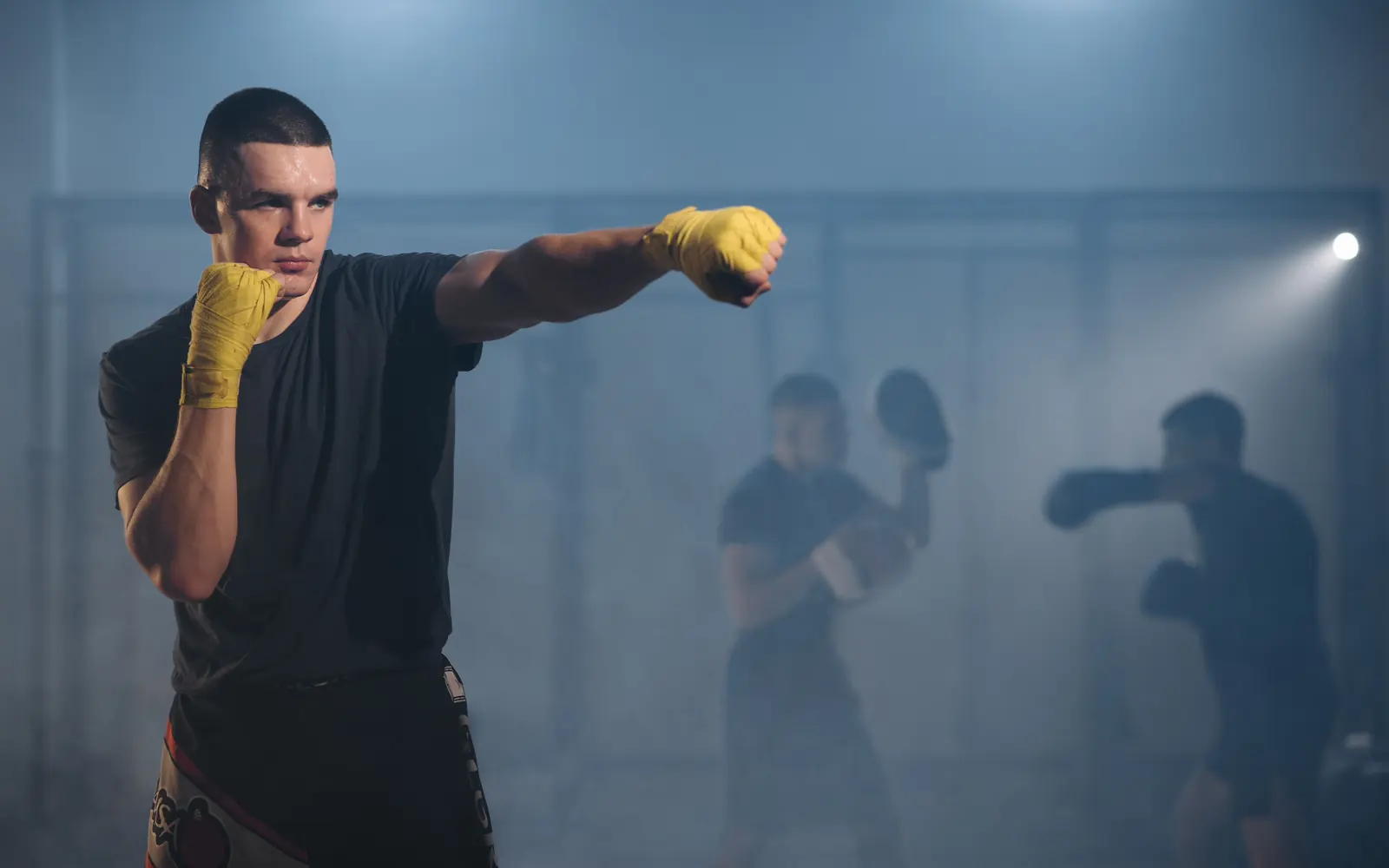
Shadow boxing is a skill you can still do when you are tired. The rounds rehearse stance, punches and footwork with nobody in front of you. The heart rate comes along if you keep moving. The muscle does not.
I have coached athletes and everyday people for more than a decade, and a lot of them also train striking. The ones who improve do not flail at the air until their shoulders burn. They give each round one job, and they stop when the shape breaks.
This guide explains what shadow boxing means, a workout you can do in about 20 minutes, where it sits in the week, and an honest answer on muscle.
Key takeaways
- Shadow boxing means you box an opponent who is not there. You move, punch, slip and step out, then you put the hands back on the cheek.
- A useful session is timed rounds, not an open-ended burn. Start with two-minute rounds and 45 to 60 seconds of rest.
- Footwork is the point. If the feet come together or cross, the punch does not count.
- It can be a real conditioning session when you keep moving. It is a poor way to build muscle, because the air does not get heavier.
- Put two or three technical rounds before class. Put a full session on its own day. Do not stack it on top of a hard spar.
The definition
What Is Shadow Boxing?
Shadow boxing is solo practice. You throw punches, move your feet and defend against an opponent you picture. There is no bag, no pads and no partner. Some people write it as one word, shadowboxing. It is the same thing.
The meaning is in the name. You are boxing the space where a person would stand. If you stare at your own fists, or at the floor, you are just moving your arms. Look at a spot about chest height, a step in front of you, and give that spot a head, a body and a reach.
What it is, and what it is not
A shadow boxing round rehearses the shape of striking. It does not tell you whether the punch would have landed, because nothing answers back. Bag work gives you the impact. Pads give you someone else's rhythm. Sparring gives you a person who moves. Those are different jobs, and they belong on different days of an MMA training week.
You also do not need gloves. You are not hitting anything. Hand wraps are optional. A clear floor and enough room for two short steps in every direction are the whole setup. Shoes or bare feet both work if the floor is not slippery.
| Compare | Shadow boxing | Bag or pads | Strength work |
|---|---|---|---|
| Job | Rehearse stance, guard, punches and exits | Find out if the shot is honest on a target | Add load you can progress |
| You need | Floor space and a picture of an opponent | A bag, or a partner and pads | A lift you can make slightly harder |
| A good rep | You finish on balance with the hands up | The shot lands and you are ready for the next one | Two reps left, and tomorrow's rounds are still sharp |
| Guardrail | Stop when the feet stick or the chin lifts | Stop when you lean back and swing | A hard spar already counted as the hard day |
The pieces
What Shadow Boxing Trains
Four jobs cover a round. If you try to do all four at full speed, you do none of them.
- Feet: the widest block
- Hands: punch and return
- Defence: slip, then answer
- Free: one change of speed
- 1
Stance
Feet a bit wider than your hips, lead foot slightly in, rear foot angled out. Knees soft, chin down, hands on the cheeks, elbows in.
- 2
Footwork
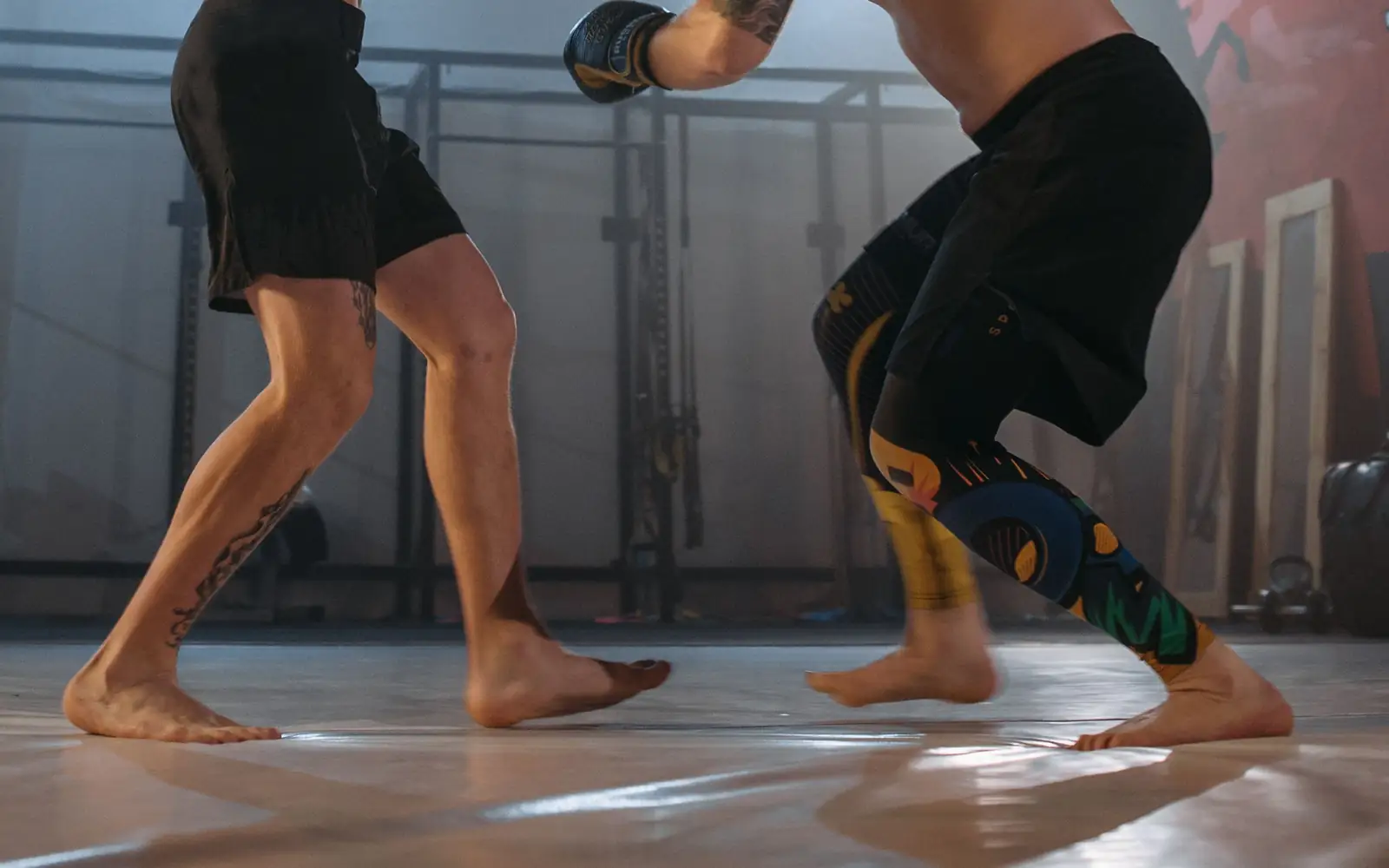
Step with the foot that is going that way, then let the other foot follow. Do not cross them. Do not hop onto both feet and hope.
- 3
Punches
Jab and cross first. Exhale as the hand leaves. The hand that punched is back on the cheek before the next one goes. Hooks wait until the straight shots return clean.
- 4
Defence
After a combination, slip or roll as if something came back, then step off the line. A punch with no exit is a pose.
Kicks can live in the same round if you already train them. The turn, the standing foot and the hand that stays up are the same standards as on the bag. The Muay Thai kicks guide is the place for the kick itself. In a shadow round, one or two kicks you can recover are enough. A kick you cannot bring home is a kick you should not throw yet.
One session
A Shadow Boxing Workout
About 20 minutes. Five rounds of two minutes, with 45 seconds between them. Each round has one focus so you are never inventing the next punch.
Warm up for three minutes before the clock starts: easy marching, shoulder circles, then a few slow jabs in your stance. Cool down for two minutes at the end with a walk and easy shoulder rolls. The work in the middle is the table below.
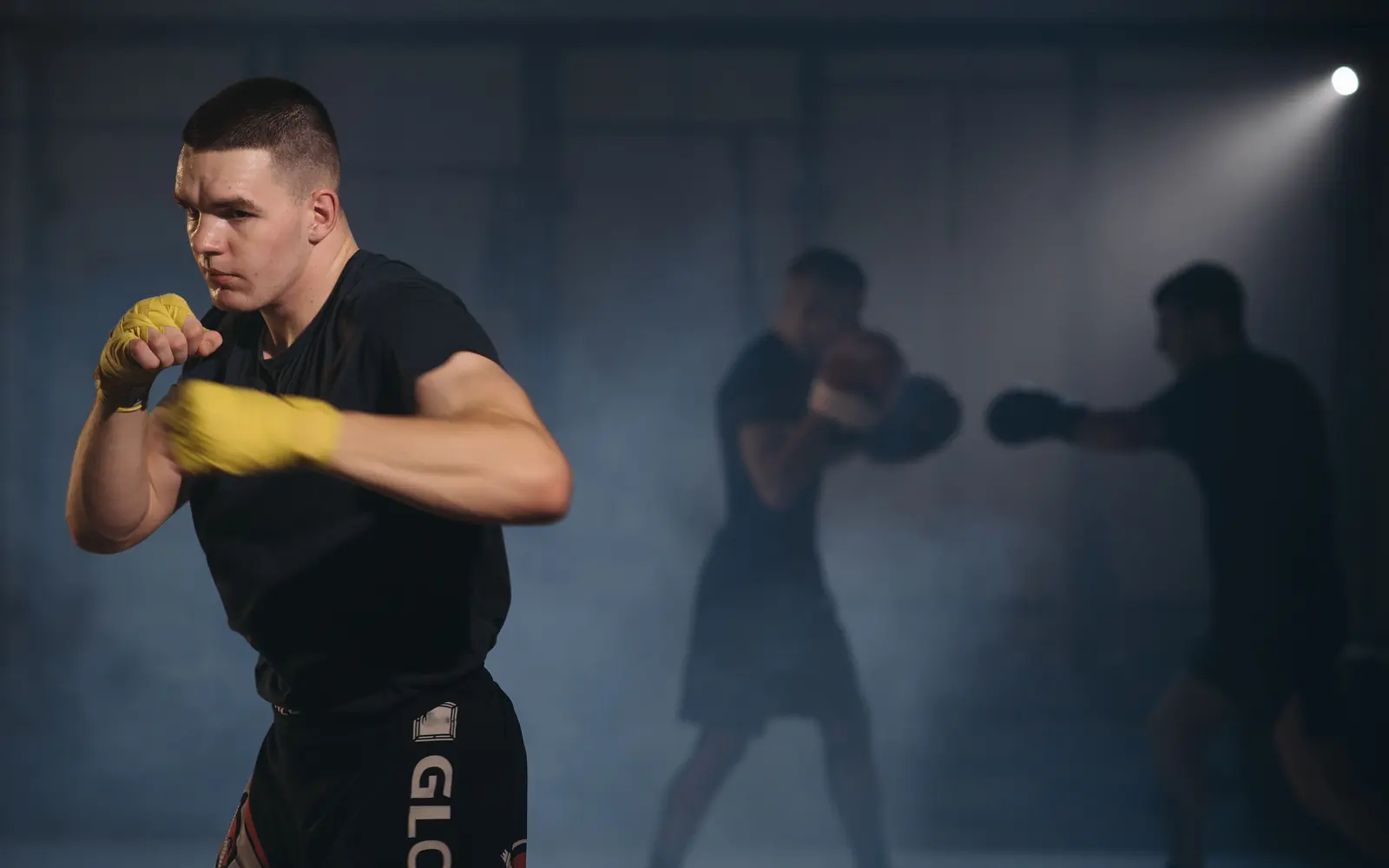
Breathe out on every punch. Stay tall enough that the chin can tuck, and stay low enough that a step does not pull you onto your toes and stick you there. If a round falls apart, make the next one slower. Do not make it louder.
| Round | Focus | What you do |
|---|---|---|
| 1 | Feet | No punches. Step forward, back, left and right. Every few steps, stop and check: knees soft, feet apart, hands up |
| 2 | Straight punches | Jab, then jab-cross. Step only when you need to reach the spot you are looking at. Hand home before the next one leaves |
| 3 | One combination | Jab, cross, then a slip and a step off line. Same sequence all round. If you add a hook, you must be able to bring it back |
| 4 | Defence | Slip left, slip right, a small roll, then answer with a jab. Picture the punch you are slipping |
| 5 | Freestyle | Mix the earlier rounds. Change speed once, for about 20 seconds, then go back to a pace you can keep honest |
Rest 45 seconds between rounds. Take 60 if the hands are still low when the next round should start.
A mirror is useful for one round, so you can see whether the rear hand actually came home. Then turn away from it. The rest of the session is for the opponent you are picturing, not for watching yourself.
To make it harder over a month, add a round or a little time before you add speed. Week 1 can be four rounds of one minute, with a full minute of rest, using only the stance, the jab and the cross. Week 2 lengthens the work to 90 seconds and adds the step. Week 3 is five rounds of two minutes, with the slip. Week 4 is this session, and round 5 stays at a pace you could repeat tomorrow.
The week
Where Shadow Boxing Fits the Week
It is a tool with two settings. Technical rounds warm you up. A full session is its own conditioning day. It is not a second workout after sparring.
If you already train striking, two or three easy rounds before class are enough. They should leave you sharper, not cooked. The bag, the pads and the coach's round are the session. Shadow boxing was the on-ramp.
If you are training at home, the 20-minute workout can be the whole day. Three of those days a week is plenty when you also lift. A fourth day is only for people who recover well, and it stays technical.
Keep it away from the heaviest lift if the feet are the point of the round. Easy shadow boxing the day after squats is fine. A fast five-round session on dead legs just teaches you to stand still and punch. The strength and conditioning guide is how I keep the lifting short enough that the skill days stay fresh.
After a hard spar, walk. The spar already was the hard day. Adding a sweaty shadow session that night spends the recovery the skill needed.
The muscle question
Does Shadow Boxing Build Muscle?
A little endurance in the shoulders and trunk. Not the kind of muscle people mean when they ask.
Shadow boxing does not build much muscle. The air never gets heavier, so there is nothing to progress. Your shoulders, arms and trunk will feel tired if you keep your hands up for several rounds. Tired is not the same as a muscle-building session. Muscle size needs a resistance you can add to, week after week. That is progressive overload, and a punch at nothing does not provide it.
What it does build, when the rounds are honest, is coordination and a bit of conditioning. A lazy pace is a light skill session. Fast combinations with constant footwork will raise your breathing and your heart rate, and that can count toward the aerobic work adults need across the week. It should not be counted as the muscle-strengthening work. Those are two different jobs. Adults need both: World Health Organization, physical activity recommendations.
If you were doing nothing, a month of rounds can make you look a bit leaner and hold yourself taller. That is mostly posture, practice and the conditioning, not new muscle on the chest, back or legs. The tissue that grows is the tissue you load.
The lifts I use for that are simple: a squat or a trap-bar deadlift, a push-up, a pull-up, and a farmer's carry. Three sets of 4 to 8, with reps left in the tank. Two days a week is enough if shadow boxing and class already fill the calendar. One day is enough when you are new.
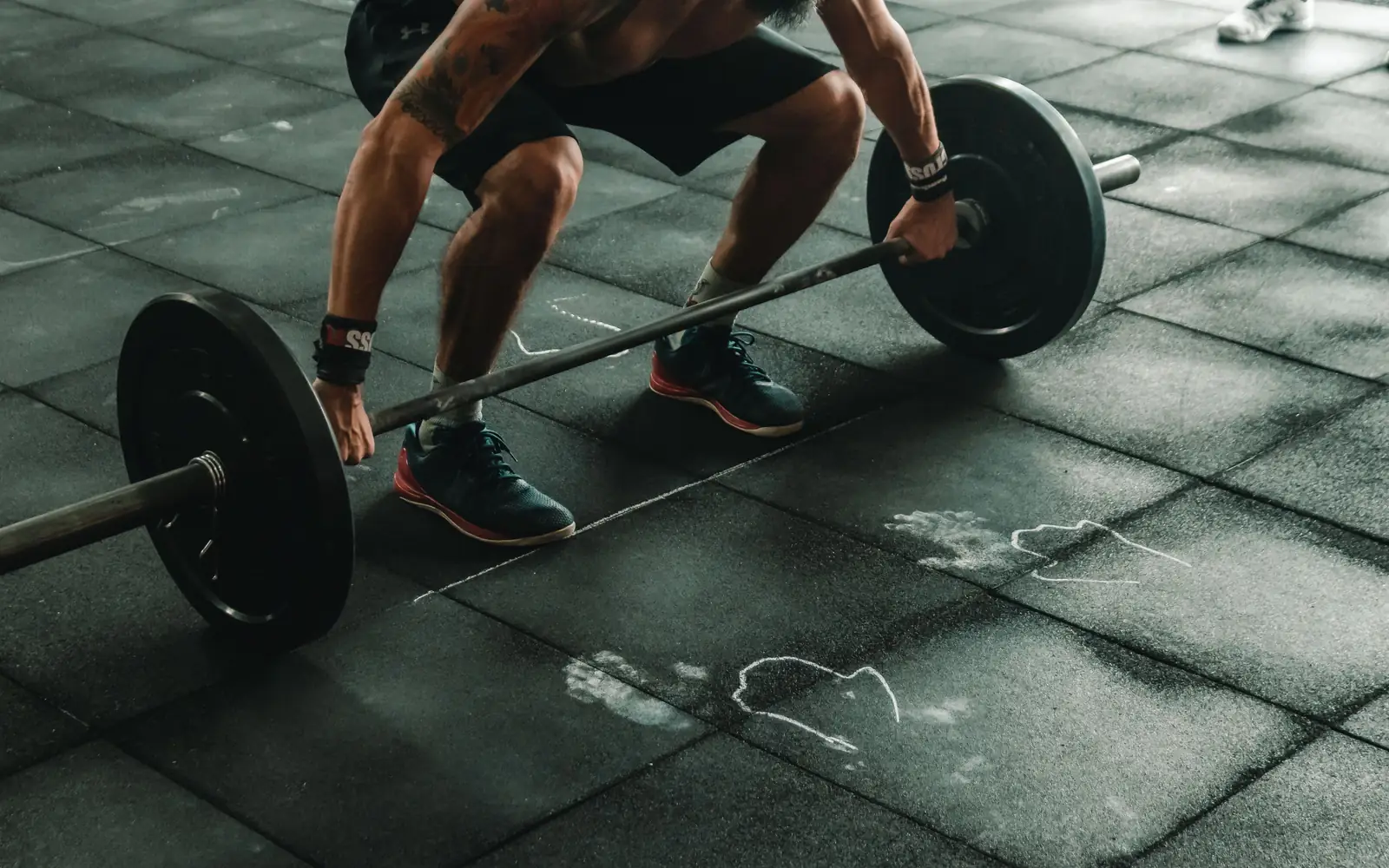
Do not hold dumbbells while you shadow box
Light dumbbells in the hands feel like a shortcut to stronger shoulders. They mostly teach a punch that only exists while the weights are there, and they load the elbow and the shoulder at the end of a fast arm. If you want grip or shoulder endurance, do that as its own slow drill, with a load you can control, and put the weights down before the skill rounds. I do not program hand weights inside a shadow boxing round.
Combat sports
Shadow Boxing for Fighters
For Muay Thai, kickboxing and MMA, shadow boxing is skill work that can also be light conditioning. The gym still has to happen.
Use it to rehearse the version of you that you want under fatigue: the jab that returns, the kick you can put down, the stance that does not pop tall when you are breathing hard. If you are new to the sport itself, start with what Muay Thai is and the complete Muay Thai guide. Shadow boxing will not teach you the clinch or the mat.
- Two or three rounds before class. Then train. The shadow work is not the class.
- One problem per round. The exit, the jab, or the feet. Not a highlight reel.
- Keep a round in the tank on fight week. Same movements, half the time.
- Do not turn it into a second fight after sparring. Walk instead.
- The lift stays on its own day. Short, heavy, and finished while you could have done another set.
- Shape first
- Then the pace
Flagship program · Combat Performance
Strength and conditioning for the weeks around your striking. Power, conditioning, and legs that still have a step in the last round.
Your first week
A Beginner Shadow Boxing Workout Plan
Three shadow days and one short strength day. The strength day is there because the rounds will not build the muscle for you.
| Day | Session | Effort | What you do |
|---|---|---|---|
| Monday | Skill rounds | 2 of 3 | The workout above, rounds 1 to 4 only. Skip round 5. Stop early if the hands drop |
| Tuesday | Rest | 0 of 3 | Walk if you want. No rounds, no lift |
| Wednesday | Strength | 2 of 3 | Squat or trap-bar deadlift, push-up, pull-up, farmer's carry. 3 sets of 4 to 8, with reps left |
| Thursday | Defence rounds | 2 of 3 | 4 rounds of 2 minutes: slip, roll, then a jab. 60 seconds between rounds |
| Friday | Class or easy | 1 of 3 | Striking class if you have one. If not, a 20-minute walk. Do not add a hard bag session on top |
| Saturday | Optional | 1 of 3 | The full 20-minute workout only if Thursday left you fresh. Otherwise skip it |
| Sunday | Rest | 0 of 3 | Full rest. This is the day the week sticks |
Effort shows how hard the day is, from 1 to 3.
Run this week for four weeks before you change it. The only progression is a cleaner round, or one extra honest minute. Judge it by whether the last round still looks like the first, not by how sweaty you got.
Four rules make the plan work:
- 01
Picture someone.
A head and a body, a step away. Look there, not at your hands.
- 02
Feet before fists.
If you cannot move and stay in stance, you are not ready to speed the punches up.
- 03
One hard day, then an easier one.
A fast shadow session, a heavy lift and a hard class are three hard days. Pick one.
- 04
Get a coach to see it.
Film one round, or better, let a coach watch. The mistakes you cannot feel are the ones that stick.
What to avoid
Common Shadow Boxing Mistakes
These five are the ones I have to unwind most often.
- 01
Hitting as hard as you can at nothing
Maximum force with no target yanks the elbow at the end of the punch. Technical speed beats a loud slap at the air.
- 02
Watching your hands
Eyes down means the chin comes up and the stance gets narrow. Look at the person you invented.
- 03
Feet together or crossed
A stance you cannot move from is not a stance. The back foot follows. It does not pass the front foot.
- 04
Adding dumbbells to look harder
The weights change the punch and load the joints. Leave them for a separate strength drill.
- 05
Using it as the whole program
Rounds without a lift, and without a coach, stall. The shoulders get tired. The rest of you does not get stronger.
Questions
Common Questions About Shadow Boxing
What is shadow boxing?
Shadow boxing is striking practice with no bag, pads or partner. You move, punch and defend against an opponent you picture, then return to your stance. Boxers and Muay Thai fighters use it to warm up and to rehearse technique. As a workout, the same idea becomes timed rounds.
What does shadow boxing mean?
It means boxing your shadow: the fight, without the other person. The useful version includes footwork and defence, not only punches. Shadowboxing as one word means the same practice.
What is a good shadow boxing workout for beginners?
About 20 minutes, three days a week. Warm up for three minutes, then four or five rounds of two minutes with 45 to 60 seconds of rest: feet only, then straight punches, then one combination with a slip, then a freestyle round you can still control. Add time before you add speed, and keep one short strength day in the week.
Does shadow boxing build muscle?
Not in any meaningful way. It can tire the shoulders and the trunk, and a fast session is real conditioning, but the air gives you no load to progress. Build muscle with a squat or trap-bar deadlift, a push, a pull and a carry, for a few sets with reps left. Do not hold dumbbells during the rounds.
Can shadow boxing replace the gym?
It can replace a cardio session on days you keep moving. It cannot replace strength work, and it cannot replace a coach if you want the technique to be right. Use it beside lifting, not instead of it.
Can I shadow box at home?
Yes. You need floor space, not equipment. Two short steps in every direction is enough. Learn the stance from a coach when you can, and use home rounds to repeat what they already corrected. Pad work and sparring still need another person.
Final thoughts
Give the round one job. Then do it again next week.
Shadow boxing is simple to start and easy to waste. Look at someone who is not there. Move your feet before you hurry your hands. End the round when the shape goes. Lift on another day, because the air will not build the muscle for you.
Put the beginner week on the calendar and give it four weeks. The last round should look calmer than it did on day one, not just harder.
If you want the rounds and the lifting set around the way you actually train, I coach that one on one. You can train with me online from anywhere, or in person in Bali.
More on the week around it: MMA training, Muay Thai kicks, and strength and conditioning.
1:1 coaching with Christian