Training guide
How to Start Boxing
Boxing for beginners: the basics, the first gym, and a week you can repeat.
How to start boxing, from a fight coach: boxing basics and fundamentals, a beginner training week, and how to get into a gym.

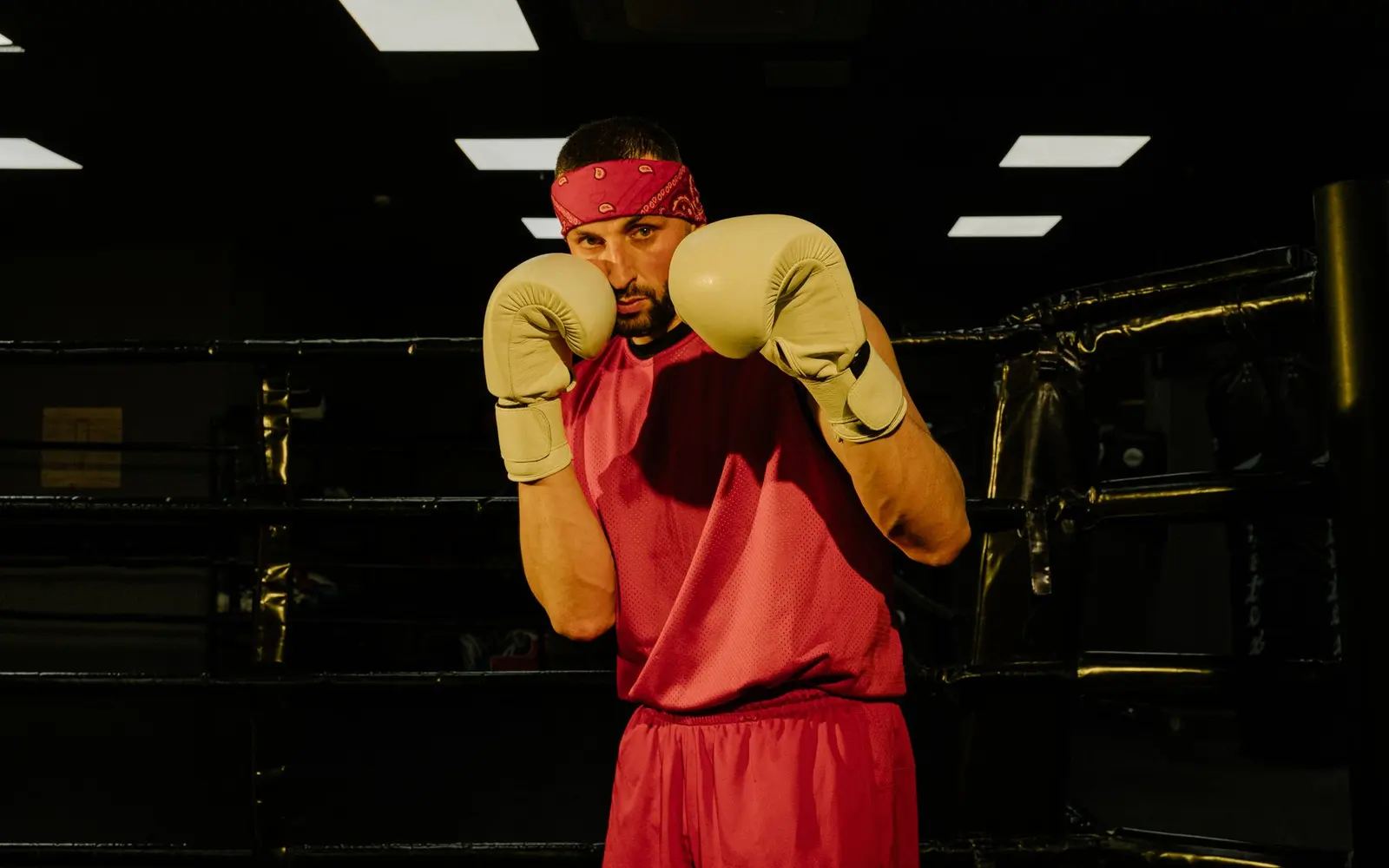
How to start boxing is a stance you can move from. The basics are the guard, the jab and the feet. Hard sparring is not the first month.
I have competed in boxing, and I coach Muay Thai, MMA and kickboxing, including people who have never thrown a punch. The ones who stick do not start by swinging at a bag until their shoulders burn. They learn a shape a coach can correct, then they repeat it.
This guide is boxing for beginners: the fundamentals, how to get into a gym, and a week of boxing training for beginners you can run before you add anything fancy.
Key takeaways
- Start in a beginner class. Gear, a heavy bag and sparring come after a coach has seen your stance.
- Boxing basics are a balanced stance, hands on the cheeks, a jab that returns, and feet that do not cross.
- Most people lead with the non-dominant side, so the stronger hand throws the cross. A coach sets yours.
- A useful beginner week is three technical boxing days and one short strength day. One day is fully off.
- Home rounds are homework. Shadow boxing keeps the shape between classes. It does not replace the gym.
The definition
How to Start Boxing
Boxing is a striking sport with the fists. You stand in a stance, you punch, you defend, and you move your feet. Starting means learning that shape with someone who can see it. A video can show you the idea. It cannot tell you that your chin came up or that your rear hand stayed out.
It is not Muay Thai. There are no kicks, knees, elbows or clinch. If the sport you want also uses the legs, read what Muay Thai is and the Muay Thai kicks guide. The hands in this guide still sit underneath those sports. If you want striking and grappling in one week, that plan is MMA training.
Three ways people try to start
A class gives you a coach and a standard. Shadow boxing gives you the shape when you are at home. A bag gives you a target, and it also lets you lie to yourself if nobody is watching. Use them in that order.
| Compare | Beginner class | Shadow boxing | Bag alone |
|---|---|---|---|
| Job | Learn the stance, the jab and the guard | Repeat the shape between classes | Find out if the fist and the balance agree |
| You need | A gym and a coach who knows you are new | Floor space and the picture of a person | A bag that is mounted, and wraps |
| A good rep | The coach can correct one thing and you can do it again | You finish on balance with both hands home | The bag moves a little and the hand comes back |
| Guardrail | Tell them you are new. Do not ask to spar | Stop when the feet stick or the chin lifts | Stop when you lean back and swing |
The fundamentals
Boxing Basics for Beginners
Four boxing fundamentals cover the first month. If you rush all four at full speed, you learn none of them.
- Stance: the widest block
- Guard: both hands home
- Jab: out and back
- Feet: step, then the other foot follows
- 1
Stance
Feet a bit wider than your hips. Lead foot points slightly in, rear foot angles out. Knees soft. Chin down. Most people put the non-dominant hand and foot in front.
- 2
Guard
Both fists sit on the cheeks, elbows in, so the arms cover the body. You look through the gloves. You do not stare at the floor or at your own hands.
- 3
Jab and cross
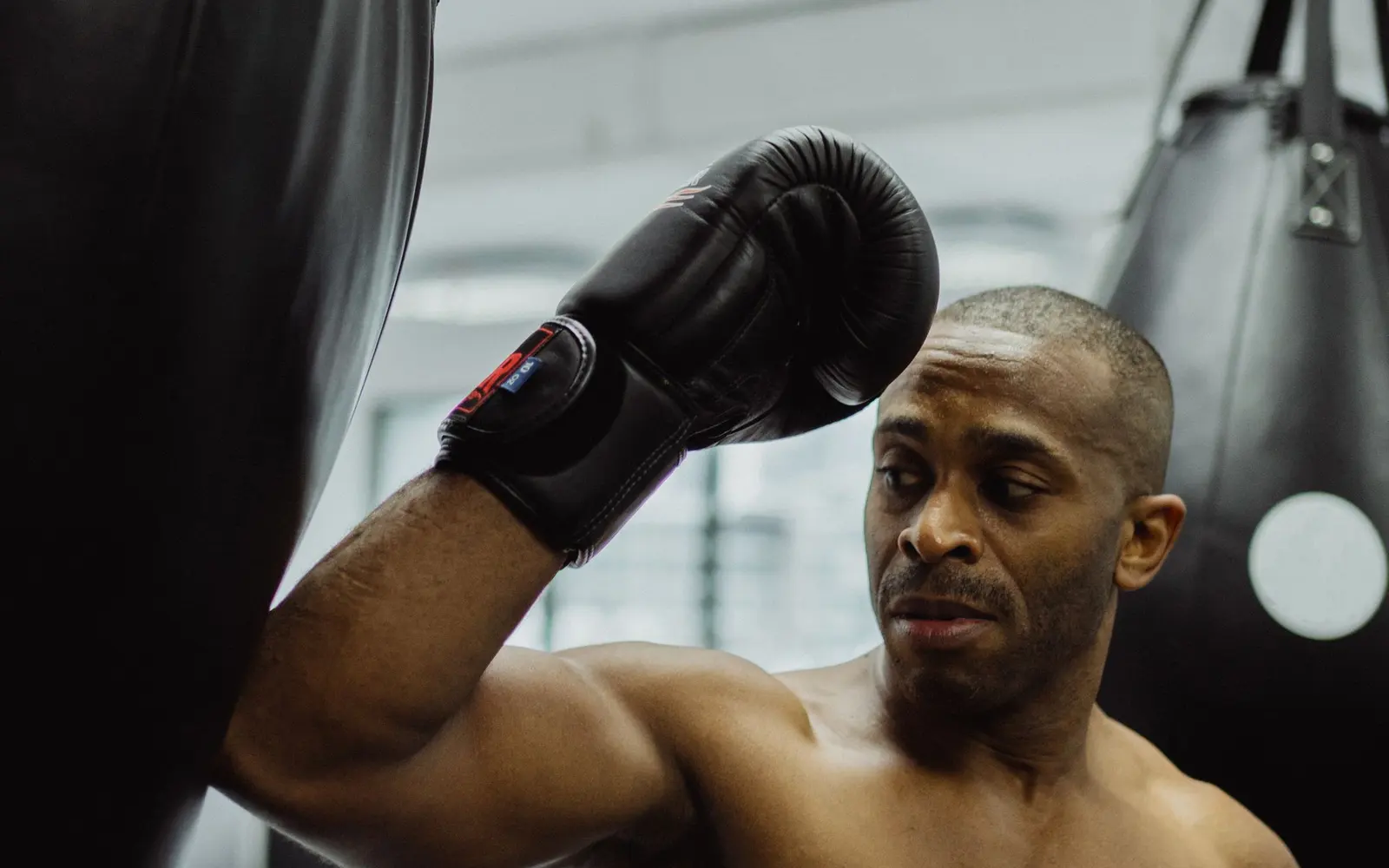
The jab is the lead hand, straight out, then straight home. The cross is the rear hand, with a small turn of the hip. Exhale as the hand leaves. One punch at a time until both return clean.
- 4
Feet
Step with the foot that is going that way, then let the other foot follow. Do not cross them. Do not hop onto both feet and hope. A punch with stuck feet is a pose.
Hooks and uppercuts wait. They are short punches, and they fall apart when the elbow flies out and the hand never comes home. A month of a clean jab and a clean cross is a better start than a week of every punch you have seen.
Defence in the first month is small. A slip is a short move of the head, not a lean that takes your balance. A parry is the rear hand meeting a jab, then back to the cheek. If you cannot name the punch you are slipping, you are just bobbing.
The first visit
How to Get Into Boxing
Find a gym before you buy a pile of gear. The coach is the part you cannot order online.
Search for a boxing gym that runs a beginner class, or a striking gym that will start you on the hands. Email or call and say you are new. Ask what to wear, whether they lend gloves, and whether the first session is technical. A gym that wants you sparring on day one is the wrong gym.
Show up early. Tell the coach, again, that you have not boxed. Watch one round before you are in it. Your job that day is the stance and the jab, not a highlight. If something hurts in a joint, say so. Soreness in the shoulders the next day is normal. Pain in the wrist, the elbow or the neck is a stop.
What you actually need
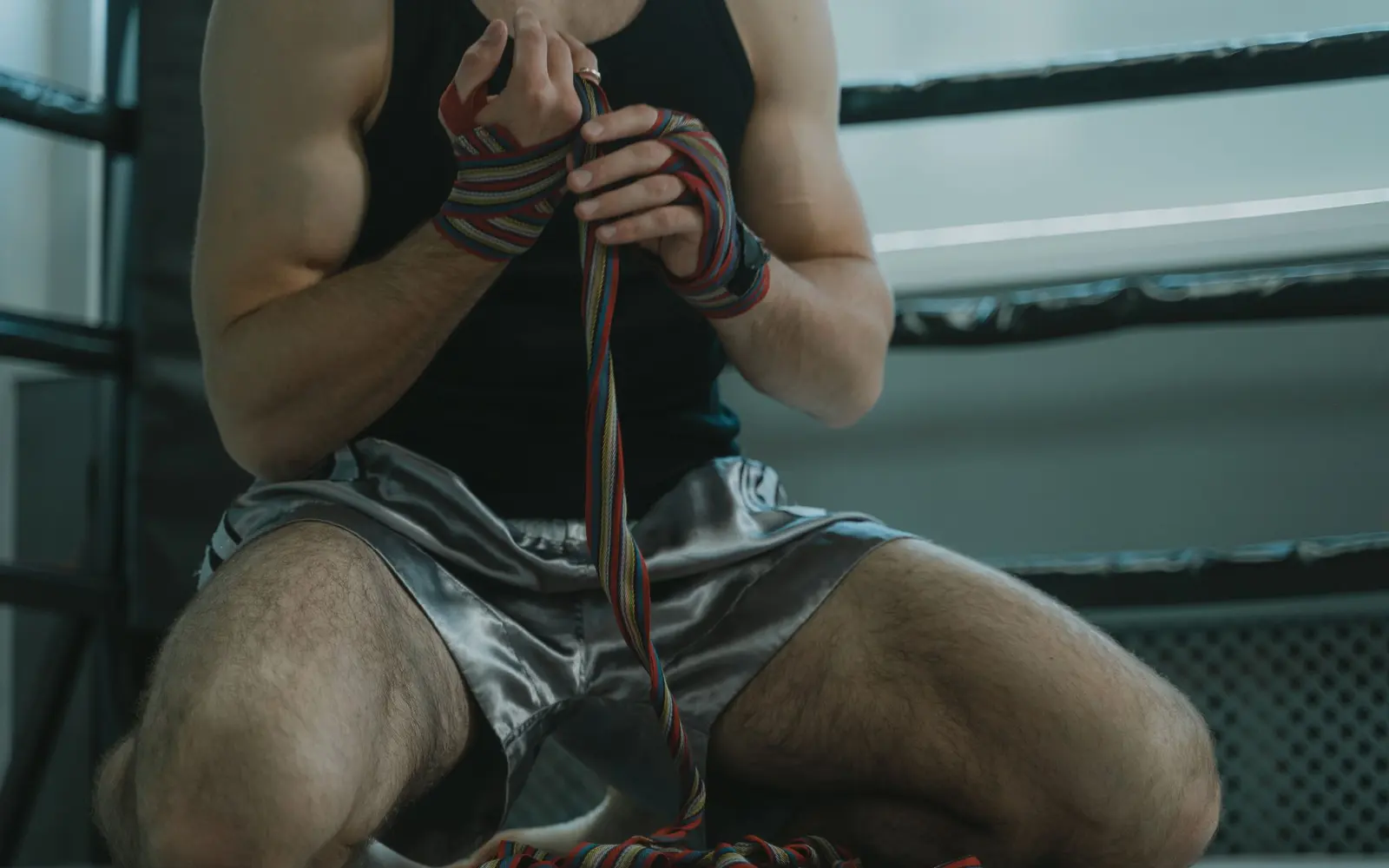
On day one, wear clothes you can sweat in and clean trainers, unless the gym asks for boxing shoes. Take jewellery off. A mouthguard is for any partner drill, and the gym should not put you in one yet. Most gyms lend gloves for the first sessions. Hand wraps matter more than expensive gloves, because they keep the wrist straight when you do hit something.
When you buy your own, start with wraps and a mouthguard. Gloves for bag and pad work are usually 14 or 16 ounce for most adults, so the padding is there. Lighter gloves are a competition tool, not a beginner shortcut. Ask the coach before you spend the money. Do not buy shoes, a groin guard and a pile of T-shirts until you know you will be back next week.
The week
Boxing Training for Beginners
Three technical days and one short strength day. The bag does not get a second fight after class.
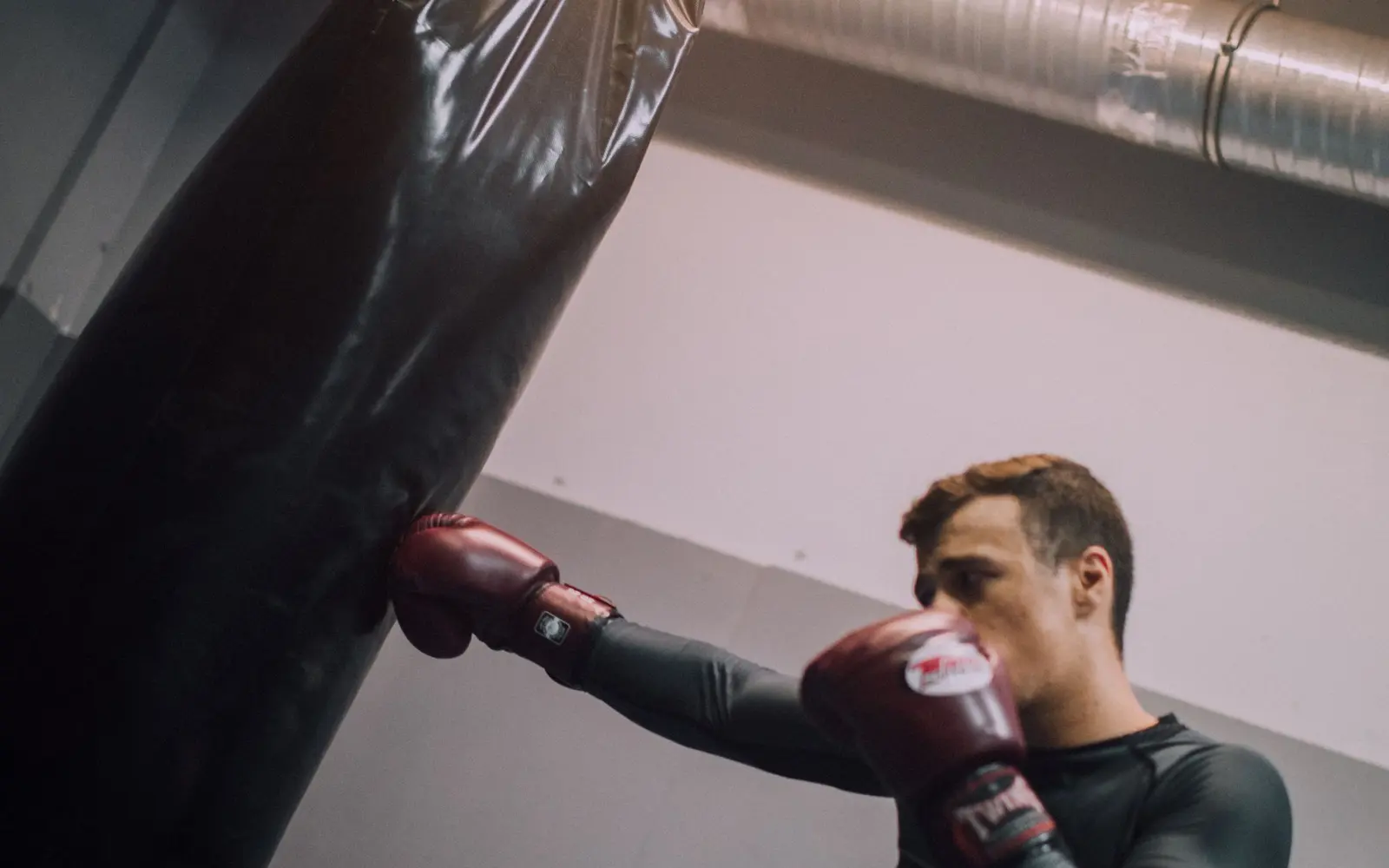
Boxing training for beginners is mostly skill. Two or three rounds of shadow boxing warm the shape up. The class, the pads or a calm bag round is the session. A long burnout after that spends the recovery the jab needed.
Put the strength day on its own day. A squat or a trap-bar deadlift, a push-up, a pull-up, and a farmer's carry. Three sets of 4 to 8, with reps left. The strength and conditioning guide is how I keep that day short enough that the next class is still sharp. Easy walking or an easy skip can sit on another day if you recover. It should be work you can talk through.
Adults need both muscle-strengthening work and aerobic work across the week. The rounds can raise your breathing when you keep moving. They do not replace the lift, because the air and the bag do not get heavier in a way you can progress like a barbell. World Health Organization, physical activity recommendations.
| Block | Time | What you do |
|---|---|---|
| Warm-up | 3 minutes | Easy march, shoulder circles, then slow jabs in your stance |
| Round 1 | 2 minutes | Feet only. Step forward, back, left and right. Hands stay up. No punches |
| Round 2 | 2 minutes | Jab only. Out and back. Step only when you need the range |
| Round 3 | 2 minutes | Jab, then jab-cross. The hand that punched is home before the next one leaves |
| Round 4 | 2 minutes | Same punches, then a small slip and a step off the line. Skip this round if the hands are already dropping |
Rest 45 to 60 seconds between rounds. Take the longer rest if the hands are still low.
Combat sports
Boxing for Fighters
If you already train Muay Thai, kickboxing or MMA, boxing is the hands. It does not replace the rest of the sport.
Use a boxing day to clean the jab that sets the kick up, and the cross that comes home before you turn for the low kick. The Muay Thai kicks guide is the leg. This page is the fist that should still be on your cheek when that leg lands. In MMA the stance is lower, because a tall stance is easy to shoot under. That week is the MMA training guide. The hold, once the range is gone, is the grappling guide.
- One problem per round. The jab that returns, or the exit after the 1-2. Not a new combo every minute.
- Keep boxing off the hardest spar. A boxing class and a hard kick spar are two hard days. Put a rest or an easy day between them.
- Do not spar to prove you started. Technical pads teach the hands. Hard sparring tests them, and it waits for a coach.
- The lift stays short. Leave reps in the tank so the jab is still sharp tomorrow.
- In camp, cut the extra rounds. Same stance, half the time, in the week of a fight.
- Hands home
- Then the next one
Flagship program · Combat Performance
Strength and conditioning for the weeks around your boxing, striking and grappling. Power, conditioning, and legs that still have a step in the last round.
Your first week
A Beginner Boxing Week
Four training days. The boxing stays technical. The strength day is there because the rounds will not build it for you.
| Day | Session | Effort | What you do |
|---|---|---|---|
| Monday | Beginner class | 2 of 3 | Stance, guard and jab with a coach. If you have no class yet, the four rounds above, and skip round 4 |
| Tuesday | Rest | 0 of 3 | Walk if you want. No bag, no rounds, no lift |
| Wednesday | Shadow and bag | 2 of 3 | The four rounds. On a bag only if it is mounted and your hands are wrapped. Stop when the shape breaks |
| Thursday | Strength | 2 of 3 | Squat or trap-bar deadlift, push-up, pull-up, farmer's carry. 3 sets of 4 to 8, with reps left |
| Friday | Defence | 2 of 3 | Class if you have one. If not, 4 rounds of 2 minutes: slip, parry, then a jab. 60 seconds between rounds |
| Saturday | Optional | 1 of 3 | 20 minutes you can talk through: a walk or an easy skip. Skip it if Friday left you cooked |
| Sunday | Rest | 0 of 3 | Full rest. This is the day the week sticks |
Effort shows how hard the day is, from 1 to 3.
Run this week for four weeks before you change it. Week 1 is the jab. Week 2 adds the cross only when the jab comes home. Week 3 adds the slip. Week 4 is the same week, a little calmer. That is progressive overload for a skill: one cleaner piece, not a new trick.
Four rules make the plan work:
- 01
Get a coach to see it.
The mistakes you cannot feel are the ones that stick. Film one round only so you can show them. Do not coach yourself from the replay.
- 02
Feet before fists.
If you cannot step and stay in stance, you are not ready to speed the punches up.
- 03
One hard day, then an easier one.
A class, a heavy lift and a fast bag session are three hard days. Pick one.
- 04
Leave the spar for later.
Partner drills start when a coach puts you in them, with a mouthguard, and with someone who is not trying to take your head off.
What to avoid
Common Mistakes When You Start Boxing
These five are the ones I have to unwind most often.
- 01
Buying the gear before the gym
Gloves in a cupboard do not teach a jab. Find the class, then buy what that coach tells you to buy.
- 02
Hitting the bag as hard as you can
Power with a loose wrist and a dropped hand is how beginners get hurt. Technical speed beats a loud swing.
- 03
Leaving the hands out
A punch that does not come home gives the next shot a free lane. Both gloves live on the cheeks between shots.
- 04
Feet together or crossed
A stance you cannot move from is not a stance. The back foot follows. It does not pass the front foot.
- 05
Sparring in the first month
Hard sparring is a test. It is a poor way to learn a jab. Stay on technical rounds until a coach changes that.
Questions
Common Questions About Starting Boxing
How do I start boxing with no experience?
Join a beginner class and tell the coach you are new. Learn the stance, the guard and the jab before you chase power, hooks or sparring. Practise the same shape at home with short shadow rounds, and add one short strength day. Give that week four weeks before you change it.
What are the boxing basics for beginners?
A balanced stance, both hands on the cheeks, a jab and a cross that return, and footwork that does not cross the feet. Those are the boxing fundamentals. Slips and parries come next, small and slow. Hooks, uppercuts and sparring wait until the straight punches come home on balance.
How do I get into a boxing gym?
Contact the gym, say you are a beginner, and ask if the first session is technical and whether they lend gloves. Arrive early, in clothes you can sweat in, with jewellery off. You do not need your own gloves on day one. A gym that pushes sparring in the first session is not the place to start.
What does boxing training for beginners look like each week?
Three technical boxing days and one strength day is enough. Class, or the four two-minute rounds in this guide, covers the skill. Strength is a squat or trap-bar deadlift, a push, a pull and a carry, for three sets with reps left. Keep one full rest day. Add an easy walk only if the boxing days left you fresh.
Can I learn boxing at home?
You can repeat the stance, the jab and the footwork at home with shadow boxing. You cannot see your own mistakes, and you should not spar or hold hard pads there. Use home days as homework between classes. A bag is useful only when it is mounted properly, your hands are wrapped, and you already know the shape.
Do I need to spar to start boxing?
No. Sparring is a test you earn, with a mouthguard, a coach in the room, and a partner who is not hunting a knockout. The first month is stance, jab, cross, defence and feet. People who spar before that mostly practise the mistakes faster.
Final thoughts
Start with the stance. Then go back tomorrow.
How to start boxing is a boring month, and that is the point. Hands home. Chin down. Feet apart. A jab you can throw again. A gym that will tell you when it is wrong. The bag, the hooks and the sparring are still there later. They are better once the basics are honest.
Put the beginner week on the calendar and give it four weeks. The last round should look calmer than it did on day one, not just harder.
If you want the stance and the week built around you, I coach one on one. You can train with me online from anywhere, or in person in Bali for Muay Thai, MMA and kickboxing. Private boxing in Bali is on the way. The fundamentals on this page are the same ones I start people with.
More on the week around it: shadow boxing, Muay Thai kicks, MMA training, grappling, and strength and conditioning.
1:1 coaching with Tarzan