Training guide
How to Wrap Hands for Boxing
A numbered wrap for the knuckles and the wrist, and how tight to pull it.
How to wrap hands for boxing, from a performance coach: length, a numbered method, how tight, and when to wrap for bag, pads and sparring.
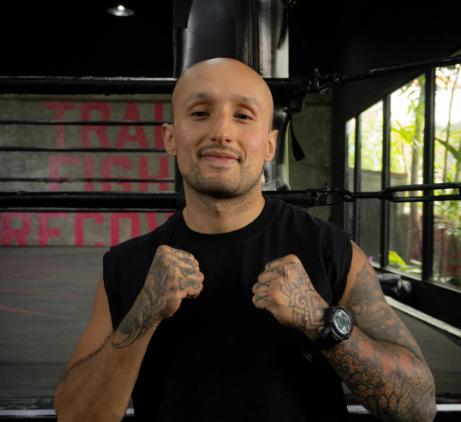
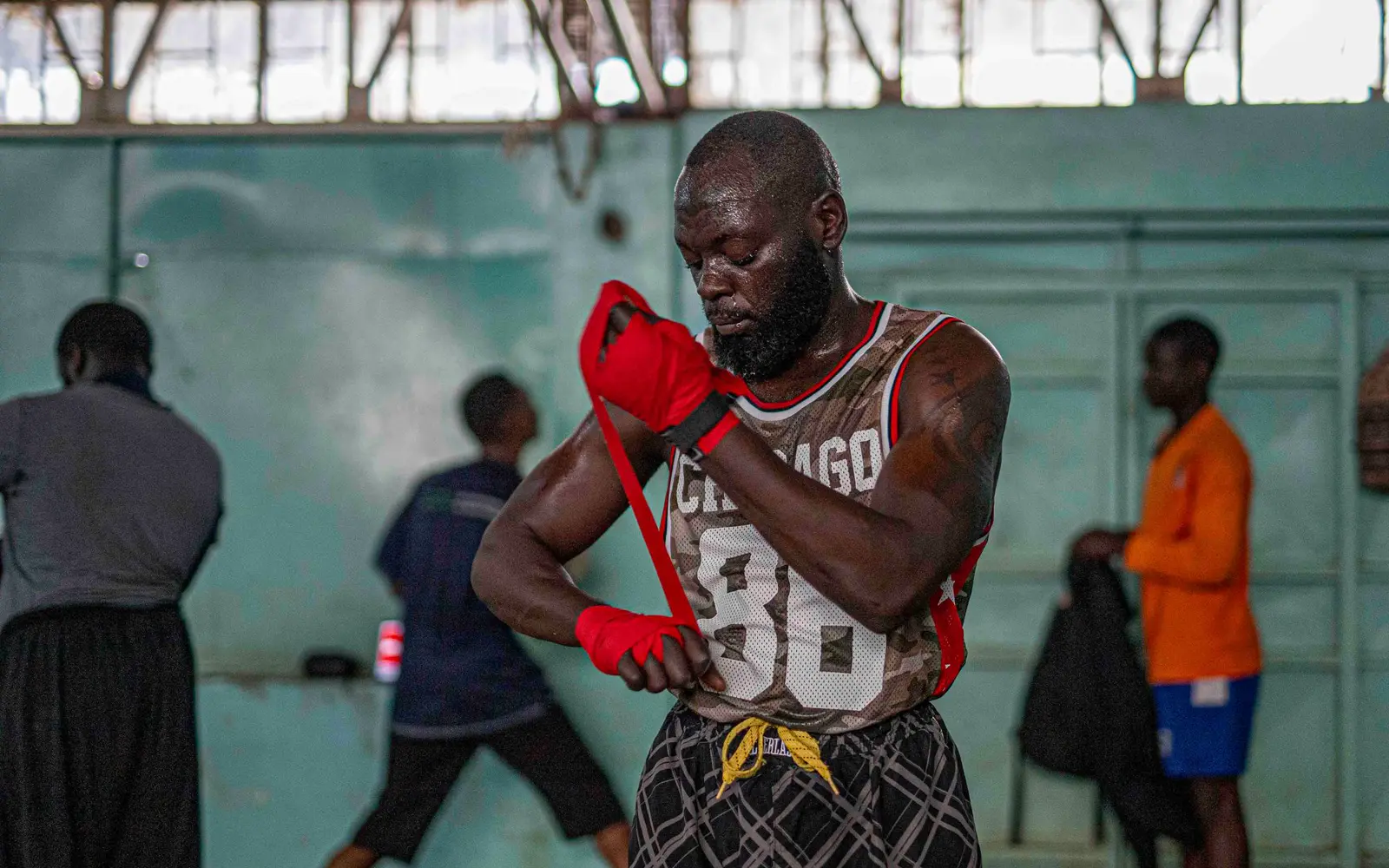
A hand wrap is a brace you build, then a little padding. The wrist stays straight. The knuckles share the load. Tighter is not safer if the hand goes numb.
I have coached athletes and everyday people for more than a decade, including combat athletes and people coming back from an injury. Before I add load, I look at the joint that has to take it. On a bag, that joint is the wrist, and the small bones behind the knuckles.
This page is how to wrap your hands for boxing. Length, a numbered method, how tight, gel and quick wraps, washing, and when the wrap belongs on the bag, the pads or in sparring. The first month in a gym is how to start boxing. The feet under the punch are the boxing stance. I am a performance coach. A striking coach still has to see the hands once the wrap is on.
Key takeaways
- Wrap the wrist straight, then cover the knuckles. The cloth is a brace first and padding second.
- Most shops sell a shorter roll and a longer one, often marked 120 inches and 180 inches. Use the one that still has cloth left for the wrist after the knuckles are covered.
- Snug enough that a fist press does not fold the wrist. Loose enough that you can open the hand and the fingers do not tingle.
- Bag, pads and sparring get a wrap every time. Shadow boxing does not have to. A quick wrap is a start. It is not the same brace as a long cloth wrap.
- Close the velcro on the wrist, wash without fabric softener, and let the pair dry before you wear it again.
The job
What a Boxing Hand Wrap Is For
A boxing hand wrap is a long strip of cloth, usually with a thumb loop at one end and velcro at the other. You wind it so the wrist cannot flop when the fist meets something, and so the knuckles are not four bare points against a bag. If you looked up how to wrap hands boxing, this is that skill.
The hand is a small structure asked to deliver a large force. The wrist is the link. If it bends back as you land, the force goes into the joint instead of through a stacked fist. The wrap does not make the punch stronger. It keeps the wrist in the line you wrapped it in, and it spreads contact across the knuckle line.
Gloves have padding. They do not choose where that padding sits, and they do not hold a bent wrist straight. People skip the wrap because the glove feels thick. The glove is the outer pad. The wrap is the position. The order is wrap, then glove, then the round.
The punches themselves, and the first week around a class, live in how to start boxing. The timed bag, pad and home session is the boxing workout. This page stops at the cloth.
- Wrist: the brace
- Knuckles: the padding
- Fingers: three short crosses
- Thumb: one pass
What to buy
Wrap Types and Lengths
Buy the roll that still has cloth left for the wrist after the knuckles are covered. A short roll spent on the wrist leaves the knuckles bare.
Shops usually sell two adult lengths. The shorter roll is often marked 120 inches, about three metres. The longer one is often marked 180 inches, about four and a half metres. Smaller hands usually finish cleanly on the shorter roll. Larger hands run out of cloth before the wrist is locked if they start on the short one.
The test is simple. After the knuckle passes and the three finger crosses, you should still have enough left to finish on the wrist. If you do not, the roll was too short or the early passes were too many. Do not solve that by skipping the knuckles.
| Wrap | What you buy | What it is for |
|---|---|---|
| Cotton, little stretch | Often 120 or 180 inches | Bag, pads and sparring, once you can place the cloth. It stays where you put it |
| Semi-elastic | Often the longer roll | The same sessions. It lies flatter. It can also hide a wrap that is too loose |
| Quick wrap | A padded sleeve and a wrist strap | A first class, or a day you are late. The padding is already sewn. You only set the strap |
| Gel | A knuckle pad, sometimes inside a sleeve | Extra cushion. It does not lock the wrist. Use it under a real wrist lock, or do not pretend it is one |
Length is what is printed on the package. If the knuckle line is covered and the wrist still has cloth, the roll is long enough.
Stretch does not change the passes. How to wrap boxing hand wraps is still wrist, knuckles, fingers, thumb, then wrist. A little elastic just makes a loose pass feel finished when it is not. Cotton with almost no give is honest. You feel a gap, and you can fix it before the glove goes on.
A wrap with no thumb loop still works. Hold a short tail in a relaxed fist for the first wrist pass, then let it go once the wrist is anchored. After that, the method below is the same.
The passes
How to Wrap Your Hands for Boxing
One order, both hands. Wrap with the hand open and the wrist straight. The fist is the check at the end, not the shape you wrap in.
How to put on boxing hand wraps starts at the thumb, not with a knot. How to wrap boxing wraps is the six passes below, in the same order on either hand. Do one hand as written. The other hand is the mirror. Do not rush it because the first hand already looks done.
Sit down. Take jewellery off. Keep the wrist in line with the forearm, not bent back and not flopped forward. If a coach has shown you a small variation, keep theirs. The checks at the end are the part that does not change.
- 01
Loop the thumb.
The loop goes on the thumb. The roll lies across the back of the hand, velcro still inside the roll. If the cloth twists, turn the loop until it lies flat. A twisted start stays twisted.
- 02
Anchor the wrist.
Two or three passes around the wrist, snug, hand still open. This is the brace. The rest of the wrap hangs off it. Do not spend the whole roll here.
- 03
Cover the knuckles.
Bring the cloth across the back of the hand and wrap the knuckle line three times. Index, middle, ring and little knuckle. The thumb stays out of these passes. The cloth should meet the skin, not float above it.
- 04
Cross the fingers.
Go between the little finger and the ring finger, across the palm, and back over the knuckles. Then between ring and middle. Then between middle and index. Three passes. Do not pull so hard the skin between the fingers burns or the fingers splay.
- 05
Lock the thumb.
One pass around the base of the thumb, then back across the hand. The thumb can still move. If you cannot make a fist, that pass trapped the thumb against the palm or it is too tight.
- 06
Finish on the wrist.
Use what is left on the wrist. Close the velcro there, not across the knuckles. Make a fist and press the knuckles into the other palm. The wrist stays straight. Open the hand. No tingle, and the knuckle line has not slid down.
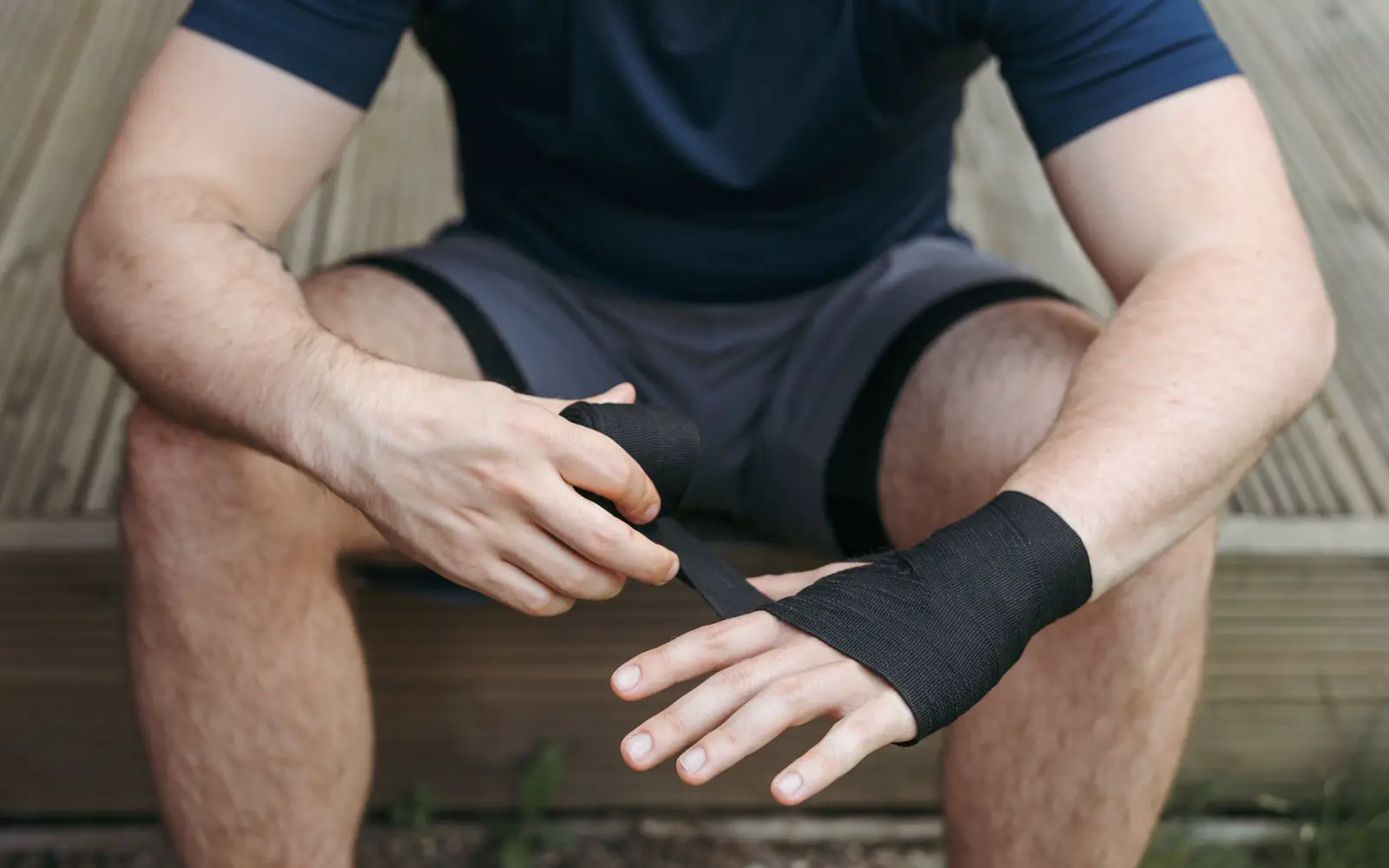
Then the glove. If the glove will not close, the wrap is too bulky, usually because too many passes landed in one place. Move spare cloth to the wrist until the glove shuts and the knuckles are still covered. A glove forced open leaves the wrist with nothing to brace against.
Do both hands before you start the clock. A half-wrapped lead hand is how a short jab meets the bag on a bare knuckle. The round that uses these hands, on a bag or on pads, is the boxing workout.
Knuckles and wrist
How Tight the Wrap Should Be
The wrist passes are a brace. The knuckle passes are padding. They are not the same tightness, and neither one should cut off the hand.
Think of two jobs. Around the wrist, the cloth should feel like a firm hold that still lets blood through. You are stopping the wrist from folding, not squeezing the forearm. Around the knuckles, the cloth can sit a little firmer, because that is padding stacked on bone. It should still let you spread the fingers.
The check I use is a fist press. Wrap finished, no glove yet. Make a fist. Press the knuckles into the palm of the other hand, the way you would meet a bag. The wrist stays in line with the forearm. It does not bend back, and it does not collapse forward. Then open the hand all the way. The fingers are warm, the colour looks like the other hand, and nothing tingles.
If the wrist folds, the wrist passes were too loose, or you wrapped with the wrist already bent. Unwrap the wrist and do those passes again with the wrist straight. If the fingers tingle, go pale, or feel cold, the whole wrap is too tight. Start again. Do not "see if it settles" once you are hitting.
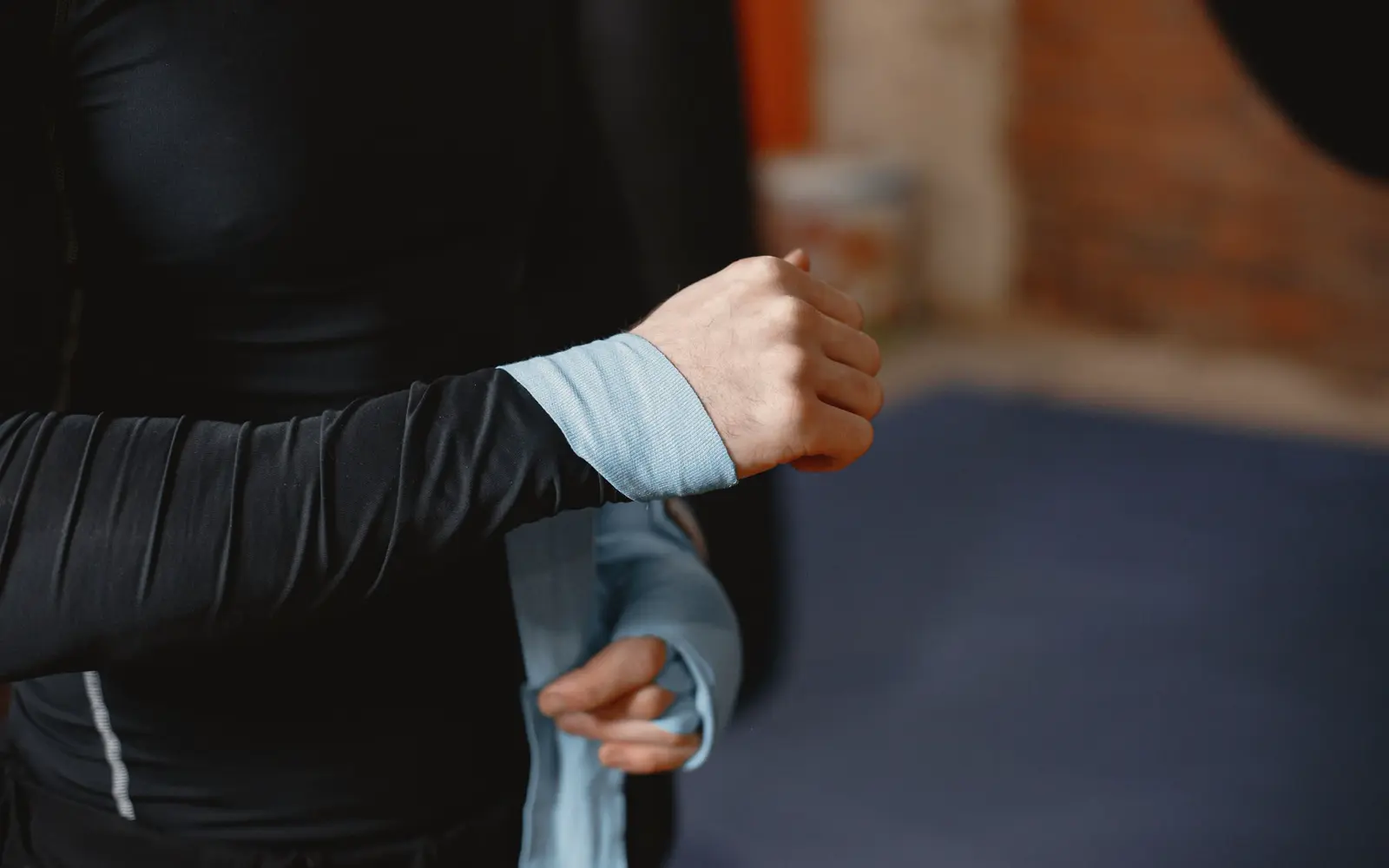
Knuckle protection is coverage, not a lump. Three even passes across the knuckle line beat one thick ridge on the middle knuckle and nothing on the little finger. A ridge becomes a pressure point inside the glove. The little-finger knuckle is the one people leave bare, and it is happy to complain on a heavy bag.
The thumb gets one pass so it is not flapping, and so a glove does not peel it back. It does not get tied into the fist. You still need to open the hand between combinations. The stance those hands go home to is the boxing stance. A wrap that will not let the hand open will not let the hand come home either.
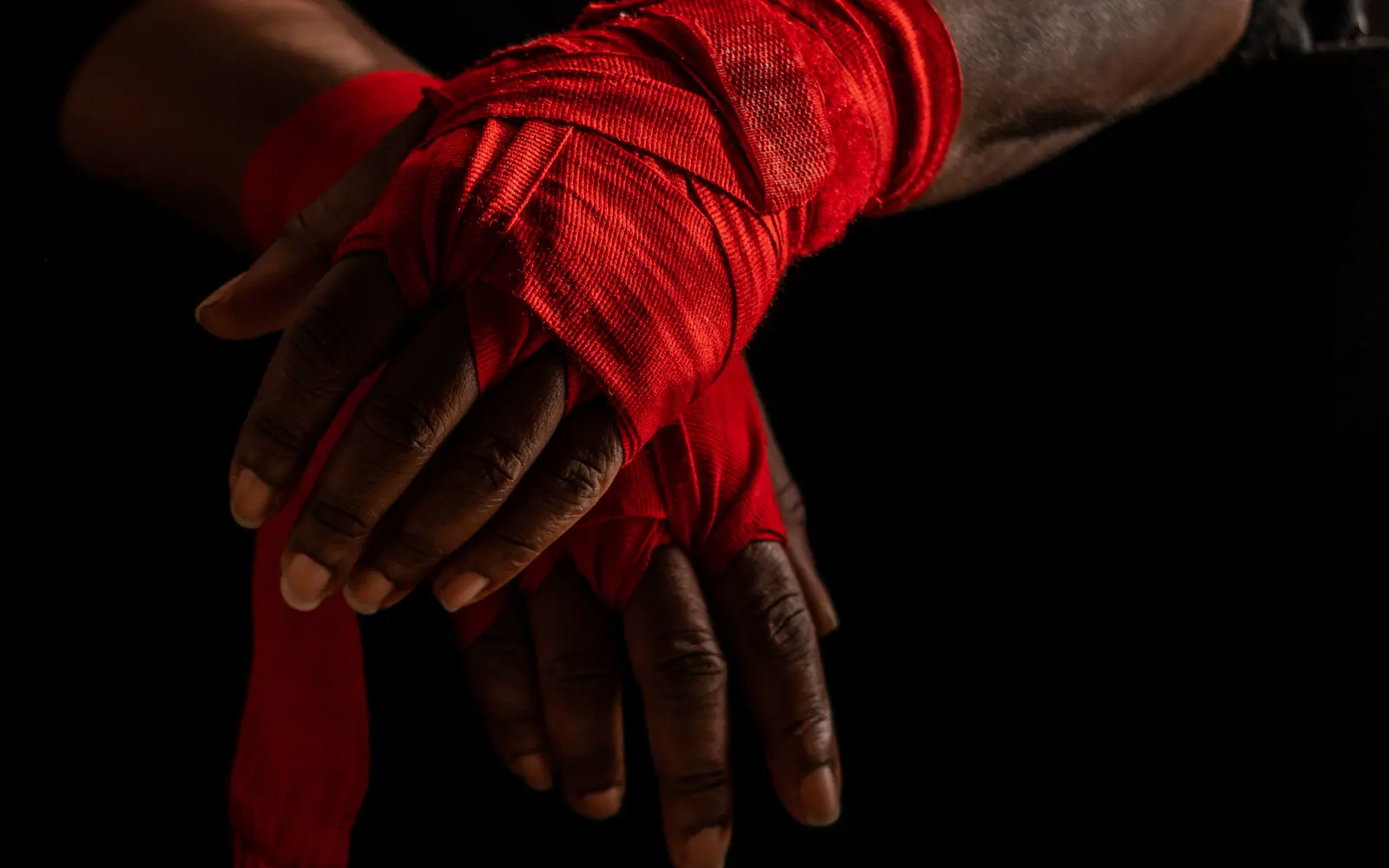
Bag, pads, sparring
When to Wrap
If the fist meets something, the wrap is on. If you are only moving in the air, it is optional.
| Session | Wrap | Why |
|---|---|---|
| Heavy bag | Yes, every time | The bag sends force back into the knuckles and into a wrist that bends |
| Pads | Yes | Same impact, and someone else sets the rhythm, so a lazy wrist shows up faster |
| Sparring | Yes | The glove still needs a wrist that stays straight. Nerves are not a reason to yank it tighter |
| Shadow boxing | Optional | You are not hitting anything. A wrap can remind the wrist. It is not required |
| Strength work | No | A boxing wrap is not a lifting strap. If a press hurts the wrist, change the load or the position |
The wrap goes on before the glove, and it comes off when the round is over. Do not leave it damp inside the glove.
On the bag and on the pads, wrap both hands even if you "only jab." The lead hand hits more often, not less. Sparring uses the same wrap you have already checked with a fist press. Pulling it tighter because you are nervous numbs the hand and does not make the wrist safer.
Shadow boxing is the session with no target. The rounds are the shadow boxing guide. Wraps are optional there. If your wrist is the thing you are trying to feel, a light wrap can remind it to stay straight. The knuckle padding is not doing a job, because nothing is hitting back.
A strength day is a different tool. The strength and conditioning guide is where that day sits. Do not wear boxing wraps to squat, and do not use them to push through a wrist that already hurts on a press. Pain in the wrist, the hand or the thumb is a stop. Soreness in the shoulders the day after a class is a different thing.
Your first four wraps
Learn the cloth before you use it as permission to hit harder. Four short practices are enough. The punches wait until the check passes.
| Time | What you do | The check |
|---|---|---|
| First | Wrap both hands slowly. No bag | Fist press. Wrist stays straight. You can open the hand. No tingle |
| Second | The same wrap, then shadow or a beginner class | The knuckle line is still covered when you unwrap |
| Third | Bag or pads, with a coach if you are new | No hot spot on one knuckle, and the wrist did not fold |
| Fourth | Wrap from memory, then let someone look | Both hands match. The velcro is on the wrist |
This is practice for the wrap. The training week around the jab and the bag is on the boxing pages linked above.
The shortcuts
Gel Wraps and Quick Wraps
A sleeve is faster. A long cloth wrap is the brace you can actually adjust.
A quick wrap, sometimes called an inner glove, is a padded sleeve you pull on, plus a strap for the wrist. Gyms hand them out so a beginner class can start. They are fine for that. The padding is already sewn in the same place for every hand, and the only choice you make is how snug the strap is. You cannot add cloth where your wrist is loose, and you cannot fill a gap on the little-finger knuckle.
Gel is cushion. It might be a pad inside a quick wrap, or a sleeve you wear under a cloth wrap. It spreads contact on the knuckles. It does not stop the wrist from bending. If you like the gel on a heavy bag, keep it, and still lock the wrist with the cloth or with a strap you have checked. A gel sleeve alone is not the method on this page.
Once bag rounds are a normal part of the week, learn the long wrap. It takes a few quiet practices, then it is faster than people fear. Use the quick wrap on a day you are late, or when the gym's loaner gloves are what you have for a first class. Do not use it as the only wrap in sparring once you know how to build the cloth one. The wrist you cannot adjust is the wrist that folds when you are tired.
Either way, the glove goes on after. The wrap is not a substitute for a glove on the bag, and a glove is not a substitute for the wrap.
After the round
Care and Washing
A wet wrap slips, and a wrap that lives in the bag stays wet.
Unwrap as soon as the session is over. Do not leave the cloth balled inside the glove. Hang the pair open so it dries the same day. A damp wrap slips on the next session, and a closed bag keeps it damp.
Wash them when they stay smelly after a full dry, or about once a week if you train most days. Use a mesh bag so the velcro does not catch the rest of the wash. Cold or warm water, mild soap. No fabric softener. Softener coats the elastic and the hook, so the wrap will not stay snug and the velcro will not hold.
Hang them to dry. A hot dryer shortens elastic wraps and can melt the hook side of the velcro. Two pairs is the useful number if you train on back-to-back days, so one pair can dry. Do not share wraps.
Retire a pair when the velcro will not hold, the cloth over the knuckles has gone thin, or the roll stays loose no matter how you wrap it. A tired wrap feels like a ritual and does not brace anything. Replace the pair. Do not add a second tired wrap on top and call it protection.
Combat sports
Hand Wraps for Fighters
The sport can add a kick or a takedown. The hand still meets a glove the same way.
I do not coach the fight. I coach the position the hand is in when the striking coach asks you to hit. For boxing, Muay Thai and MMA, the wrap is the same job: wrist straight, knuckles covered, velcro off the knuckle line. The kicks are the Muay Thai kicks guide. The mixed week is MMA training. Once someone has a hand on you, the job changes, and that is the grappling guide.
- Bag and sparring use the long wrap once you can do the method. A quick sleeve is for a late day, not for the rounds that count.
- Same wrap you have practised. Fight week is a bad time to invent a new pattern.
- Smaller gloves need an even knuckle line. A lump of cloth stops the glove from seating, and the wrist loses its brace.
- Do not add passes until the hand is numb because the session is hard. Tired hands need the same check, not a tighter one.
- The lift stays on its own day. The wrap is for the bag. It is not the strength program.
- Wrist straight
- Then the bag
Flagship program · Combat Performance
Strength and conditioning for the weeks around your striking. Hands that stay stacked, and a wrist that is still there in the last round.
What to avoid
Common Hand Wrap Mistakes
These are the ones I have to unwind before the bag is the problem.
- 01
The whole roll on the wrist
The brace looks serious and the knuckles are bare. Cover the knuckle line, then finish on the wrist with what is left.
- 02
So tight the hand tingles
Pale fingers and a numb palm are a stop. Unwrap. A wrap you cannot feel through is not protection.
- 03
Wrapped with a bent wrist
The cloth holds the position you gave it. Straighten the wrist, then do the wrist passes again.
- 04
Velcro across the knuckles
The hook becomes a ridge inside the glove. Close it on the wrist, where the brace already is.
- 05
Thumb pinned into the palm
You cannot make a clean fist, and you cannot open the hand. One pass at the base of the thumb is enough.
- 06
A damp wrap, or no wrap
Wet cloth slips. A glove with no wrap still lets the wrist fold. Dry the pair, and put it on before the bag, the pads and sparring.
Questions
Common Questions About Hand Wraps
How do you wrap your hands for boxing?
Loop the thumb, anchor the wrist with two or three passes, cover the knuckles three times, cross between the fingers three times, take one pass around the base of the thumb, and finish the rest on the wrist. Close the velcro on the wrist. Then make a fist and press into the other palm. The wrist should stay straight, and the fingers should not tingle.
How do you put on boxing hand wraps?
Start with the thumb loop and the hand open, wrist straight. Do not start with a knot, and do not wrap the hand in a fist. The fist is the check after the velcro is closed. If the wrap has no loop, hold a short tail in a relaxed fist only for the first wrist pass, then use the same order.
How long should boxing hand wraps be?
The two lengths shops usually sell are 120 inches and 180 inches. Smaller hands often finish on the shorter roll. Larger hands need the longer one. The roll is long enough if the knuckles are covered and you still have cloth left to finish the wrist.
How tight should boxing wraps be?
Snug on the wrist, a little firmer across the knuckles, and never so tight that the fingers tingle, go pale, or feel cold. You should be able to open the hand fully and make a fist. A fist press should not fold the wrist.
Are gel wraps or quick wraps as good as a cloth wrap?
A quick wrap is a padded sleeve with a wrist strap. It is fine for a first class. It does not let you place cloth where your wrist is loose. Gel adds cushion on the knuckles and does not lock the wrist. For regular bag work and for sparring, learn the long cloth wrap.
When should you wrap for the bag, pads, or sparring?
Every time the fist meets something. That is the heavy bag, the pads, and sparring. Shadow boxing is optional, because you are not hitting anything. Strength work does not need a boxing wrap.
How do you wash boxing hand wraps?
Wash them in a mesh bag with mild soap, in cold or warm water, and skip fabric softener. Hang them to dry. A hot dryer can shrink elastic and melt the velcro. Let them dry fully before the next session, and replace them when the velcro fails or the cloth over the knuckles goes thin.
Do you have to wrap your hands to shadow box?
No. Shadow boxing has no impact, so the knuckle padding is not doing a job. A wrap can still remind the wrist to stay straight if that is the skill you are practising. The rounds themselves are a separate session from bag work.
Final thoughts
Brace the wrist. Then see if the hand still works.
How to wrap hands for boxing is a short skill with a clear check. Thumb loop, wrist, knuckles, fingers, thumb, wrist again. Fist press. Open the hand. If either check fails, the bag can wait.
Use the same order for four practices before you change anything. The last wrap should look like the first one, only calmer, with the knuckle line still covered when you take it off.
If you want the wrap, the hands and the lifting set around the way you actually train, I coach that one on one. You can train with me online from anywhere, or in person in Bali.
More on the week around it: how to start boxing, boxing stance, boxing workout, shadow boxing, and strength and conditioning.
1:1 coaching with Christian